REVIEW · KINDERDIJK
Rotterdam: Kinderdijk UNESCO World Heritage Entry Ticket
Book on GetYourGuide →Operated by UNESCO Werelderfgoed Kinderdijk · Bookable on GetYourGuide
The windmills here do real work today. Kinderdijk is a UNESCO World Heritage windmill village in South Holland, where old water-control tech still makes sense. With two museum mills, a pumping station engine room, and an included boat trip through the polders, you’re not just looking at windmills—you’re understanding why they exist.
I love that this ticket is structured, so you get the key stops without wasting time guessing what’s worth it. I also like the way the included online audio guide (with multiple languages) helps you connect the buildings, the machinery, and the water management system as you move around.
One thing to plan for: the tour boats may not sail in bad weather, so your day can shift if conditions are rough.
In This Review
- Key highlights I’d prioritize
- What this Kinderdijk ticket is really buying you
- Your day at Kinderdijk: what order works best
- Inside the village: the mills and exhibition area
- Blokweer Museum Mill: what you’re looking for
- Nederwaard Museum Mill: pair it with Blokweer
- The pumping station engine room: where the water story clicks
- The boat trip through the polders: a relaxing way to see the whole layout
- Timing and hours: plan around closing and seasonal shifts
- How to stretch $25 into a full, satisfying day
- Getting there from Rotterdam: waterbus + bike is a classic move
- Who this Kinderdijk ticket is best for
- Should you book this Kinderdijk UNESCO entry ticket?
- FAQ
- How long does the Rotterdam: Kinderdijk UNESCO World Heritage Entry Ticket take?
- What’s included in the $25 ticket?
- Does the ticket include the boat tour?
- Do I need to arrange transport and meals on my own?
- What if the tour boats don’t sail due to bad weather?
- When is the last boat, and what are the opening hours?
- What languages are available for the audio guide?
- Can I cancel for a refund?
Key highlights I’d prioritize
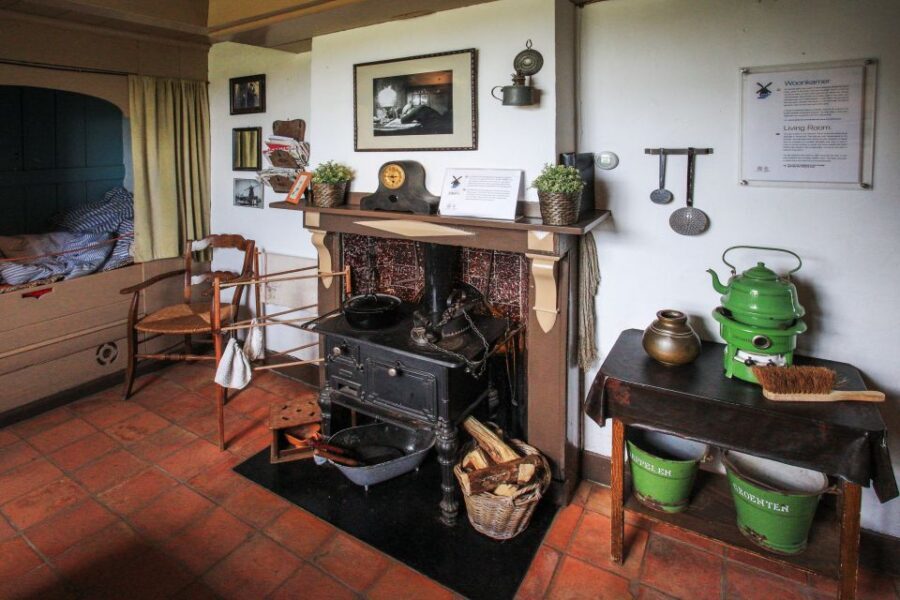
- UNESCO Kinderdijk windmill village with built-in time at the main heritage stops
- Two museum mills (Blokweer and Nederwaard) included, so you can see inside and not just photograph
- Pumping station engine room entry, which turns the water-management story from theory into action
- Boat trip through the polders on an inclusive tour boat for an efficient, scenic overview
- Online audio guide in several languages plus an informative film and exhibition
- Family-friendly options like an interactive scavenger hunt for kids
What this Kinderdijk ticket is really buying you
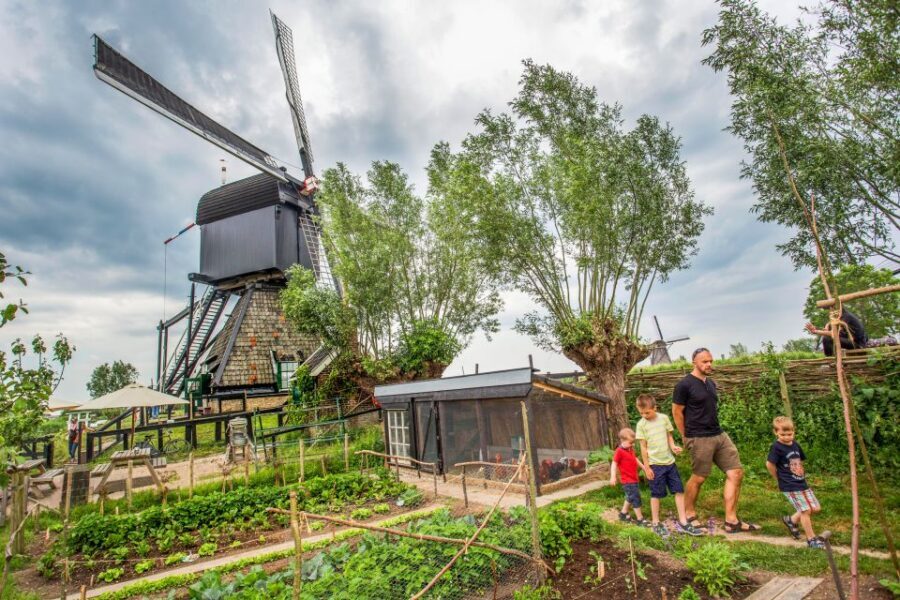
This is an entry ticket package for Rotterdam-area day-trippers who want the best “windmill village” experience without doing a ton of homework. For $25 per person, you get access to specific interior sites and the boat cruise, not just a stroll past windmills from the outside.
The included parts matter because they explain the place. You’ll enter the Blokweer Museum Mill and the Nederwaard Museum Mill, then go into the pumping station engine room. That combination is what helps you see the logic behind Dutch land and water management—how wind power and pumping worked together to keep polders workable.
The ticket also includes an informative film and exhibition, plus an online guide with an audio tour. In plain terms: you can read the signs, but you can also listen as you walk, which is a big help when buildings and machinery can look similar if you only glance at them.
You can also read our reviews of more tours and experiences in Kinderdijk.
Your day at Kinderdijk: what order works best
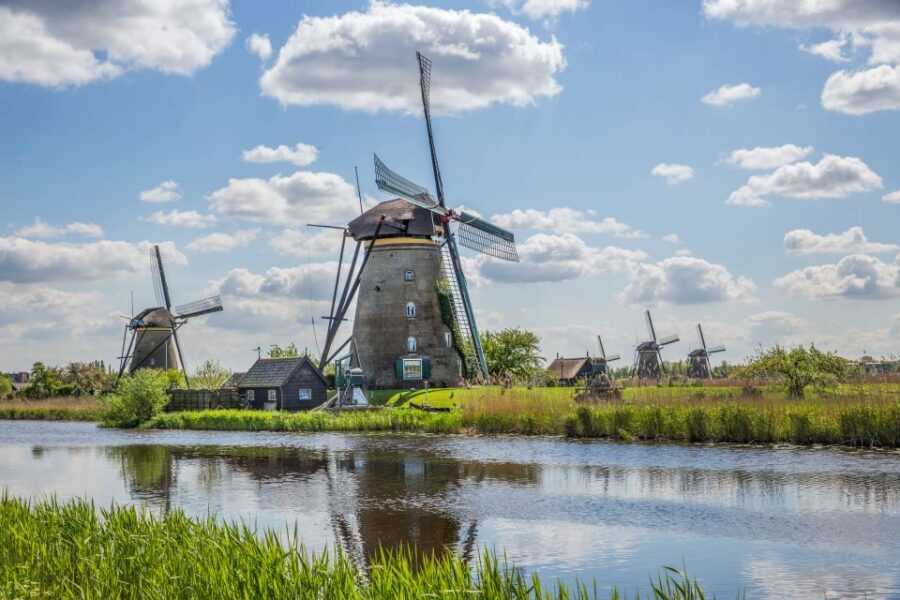
Kinderdijk is designed for wandering, but you’ll enjoy it more if you follow a simple flow. Start with the indoor explanations and the main heritage buildings early, then use the outdoor walking and the boat trip to connect the dots.
The visit is listed as valid for 1 day, and you’ll want enough time for some slower moments—going inside the mills takes a bit of concentration, and it’s not just a quick “look and leave.” Many people do it in roughly half a day to a full day depending on pace, but the ticket gives you enough to build in breathing room.
A practical rhythm that fits the included stops:
- Go first for the pumping station engine room and exhibition/film if you want context before the outdoor scenery.
- Then move on to the two museum mills at a comfortable pace.
- Finish with the boat cruise so you see the windmills and polder layout from the water.
If your main goal is photos, you can still do that—but I’d treat the boat as the “layout view” and the mills as the “detail view.”
Inside the village: the mills and exhibition area
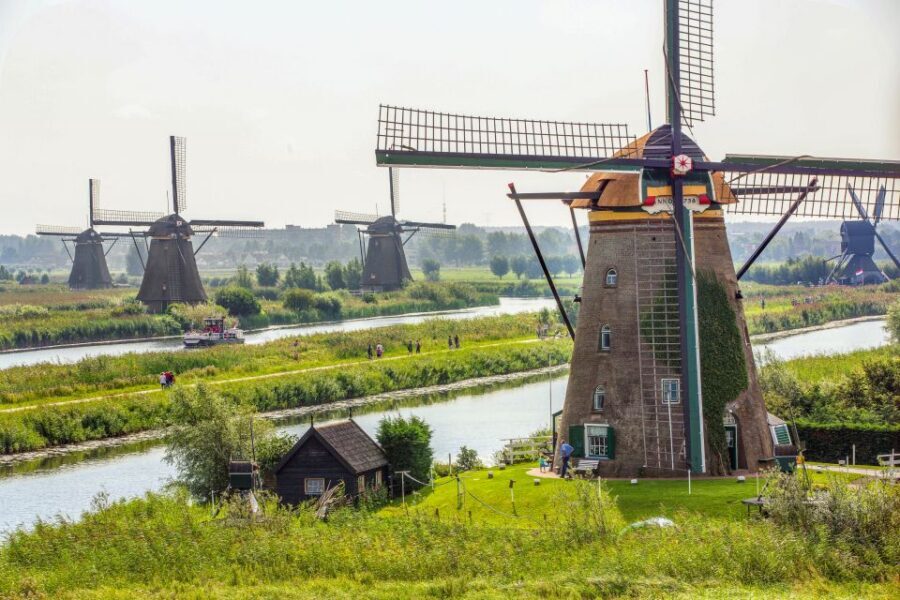
Kinderdijk isn’t one single monument. It’s a village-style site where the windmills sit among historical buildings and walkways. Your ticket includes structured access to the museum mills, which are the two places where you’ll actually experience what it’s like to be inside a working-era design.
What’s smart here is that the site gives you the background with an informative film and exhibition. That’s useful because windmills can look charming and old from the outside, but you’ll get more out of them once you understand what the machinery is doing for the water system.
One detail I like from the information provided: there’s an online guide with audio tours and an included audio guide in multiple languages. I’d plan to use it while you’re moving through the main areas so you’re not stuck reading every label.
Also note: there’s an interactive scavenger hunt for kids, so families won’t feel like they’re dragging children through “just old stuff.” It gives younger visitors a reason to pay attention while walking.
Blokweer Museum Mill: what you’re looking for
The ticket includes entry to the Blokweer Museum Mill. If you care about how things work, this is one of the best parts of the day because going inside is where the windmill stops being a photo subject and becomes a machine you can imagine maintaining and operating.
When you’re inside, focus less on memorizing dates and more on spotting how different parts relate to the idea of moving water. The audio guide and exhibition content are there to help you connect what you see with the polder problem the windmills solved.
A small practical tip: give yourself a moment to slow down and look around before you rush toward the next room. The mills feel intuitive once you’ve taken a full-circle look, and it’s easy to miss that if you’re moving fast.
Nederwaard Museum Mill: pair it with Blokweer
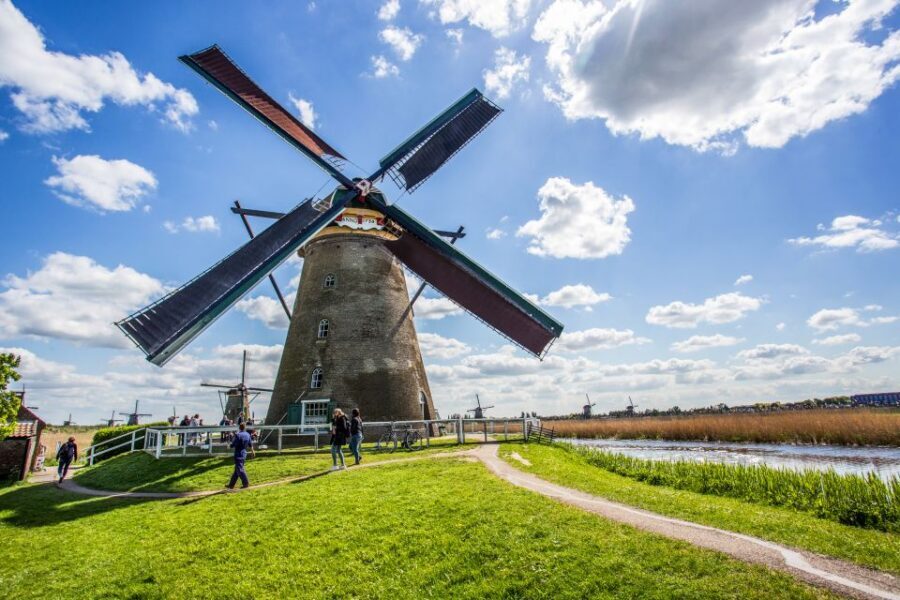
You’ll also have entry to the Nederwaard Museum Mill, included with your ticket. I like pairing these two museum mills because it gives you contrast. Even if both mills are wind-powered and part of the same UNESCO setting, they help you understand the broader system rather than just one single design.
The audio guide is especially helpful here, since you’re likely to move from one mill to another within the same day. You’ll get more meaning if you listen for what’s being explained about how the mill supported the water-management system.
If you’re the type who likes checking off “must-sees,” this is a good day to do that. You’re not relying on luck to find the right interior access—both museum mills are included.
The pumping station engine room: where the water story clicks
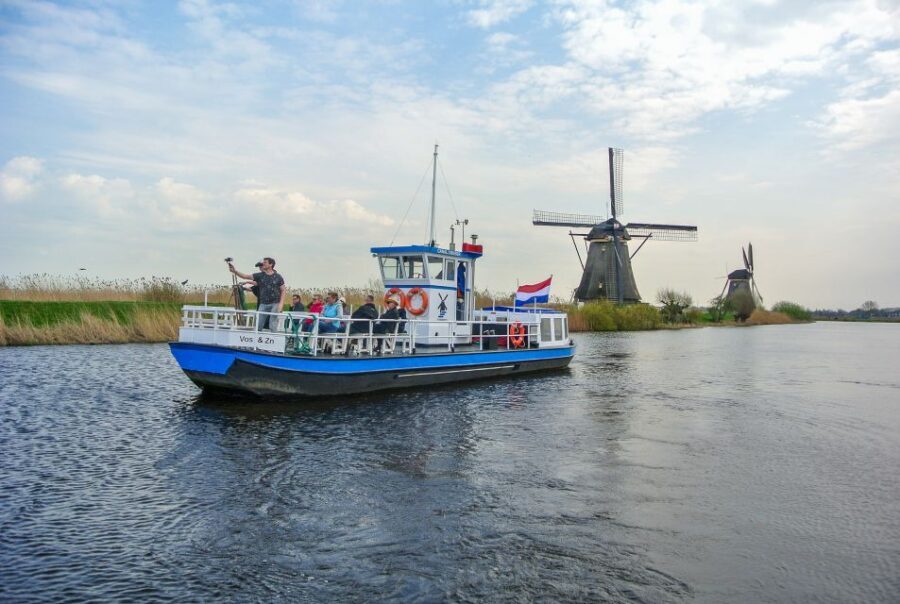
The pumping station engine room is one of those stops that changes your whole understanding. Windmills are the headline, but the pumping station is the purpose.
Having that engine room included in your ticket is excellent value, because it turns the experience from scenery into engineering. Once you’ve seen the station’s role, the rest of Kinderdijk makes more sense when you’re walking between sites and seeing the windmills positioned across the water.
If you’re short on time, don’t skip this for a photo break. The engine room is the part that helps you answer the big question: how did people keep the polder usable day after day?
The boat trip through the polders: a relaxing way to see the whole layout
After you’ve taken in the indoor stops, the included boat trip through the World Heritage Site is the easiest way to understand the geography. From the water, you get a clean overview of how the windmills sit along the polder channels.
This is also where the day can feel most relaxing. Instead of crossing footpaths and dikes again and again, you let the boat do the heavy lifting, and you get the best “overview view” without as much effort.
A couple practical points to keep in mind:
- The tour boats may not sail in bad weather.
- The last boat departs half an hour before closing time, so timing matters if you want the cruise.
If your priority is the boat, I’d plan to start earlier in the day so you have flexibility if you need to adjust. Some visitors also note that seating can be limited on the boat, so it’s smart to arrive ready for your departure window.
Timing and hours: plan around closing and seasonal shifts
Kinderdijk opening hours change by season, so check before you go and map your day around the boat timing. Until March 5, hours run 10:30 a.m. to 4 p.m. From March 6 to November 1, it’s 9 a.m. to 5:30 p.m. From November 2 to December 31, it’s 10:30 a.m. to 4 p.m. It’s closed on Christmas Day.
The last boat departing 30 minutes before closing means you don’t want to wander too long right at the end. If you’re doing the museums and engine room, aim to finish your major indoor stops early enough that you can still catch your preferred cruise time.
If you’re traveling in shoulder season or winter, build extra buffer for weather-related delays, because the boat may not sail.
How to stretch $25 into a full, satisfying day
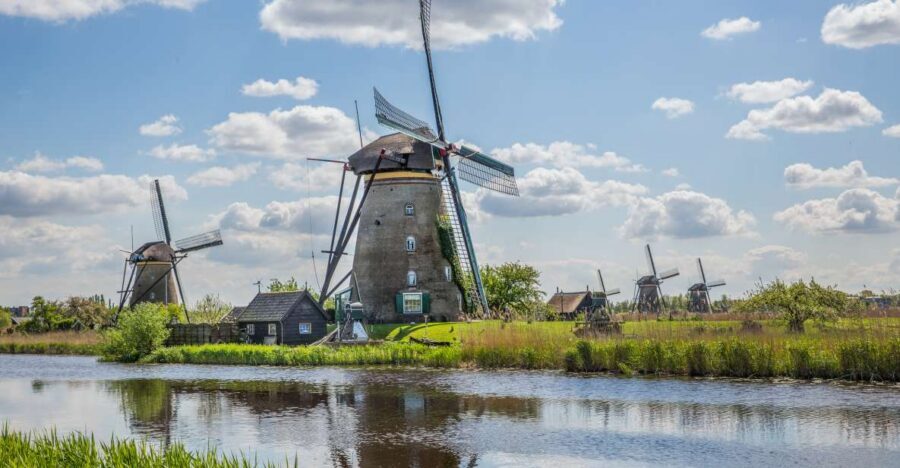
This ticket is priced at $25 per person, and the value comes from what you get included: two museum mills, the pumping station engine room, the film/exhibition, and a boat trip. If you were to pay for those things separately, the package pricing is usually what makes the day feel like a smart deal.
It also helps that the format supports different styles:
- If you like self-paced walking, the online audio guide and on-site stops let you move at your speed.
- If you want structure, the included interior sites and the boat give you a clear path.
A few “do this, not that” ideas from practical visitor experience:
- Bring a picnic if you can, since food and drinks aren’t included.
- If you can handle walking, you’ll find trails and routes useful, but expect there’s sometimes a lot of walking to connect the sites.
- If you hate heat or glare, consider that there can be limited shade on stretches between areas, so sun protection helps.
Also, transport to Kinderdijk is not included with this ticket. Many people plan their own route using local transit options or a bike after arriving. That flexibility is good—you’re not locked into one transport method—but you do need to plan the getting-there part.
Getting there from Rotterdam: waterbus + bike is a classic move
Transport isn’t part of the ticket, but getting there from Rotterdam can be straightforward if you use the water and then switch to walking or cycling. Some visitors report taking the waterbus to Alblasserkade and then renting bikes to reach Kinderdijk.
That approach makes sense because it keeps your day feeling like part of the Netherlands story: boat ride first, then windmills on wheels. If you prefer less effort, you can still build a walking plan and connect via paths, but biking tends to reduce time spent hopping between dikes and crossings.
One warning from visitor experience: parking can be difficult, so if you’re driving, expect it might not be effortless.
Who this Kinderdijk ticket is best for
This is a great fit if you want to understand Dutch water management through the most famous symbols of it: working windmills and pumping stations. I think it’s ideal for first-time Netherlands visitors who want one day that feels educational without turning into a classroom.
It also works well for families because there’s a kid-friendly scavenger hunt, plus audio guidance that keeps adults engaged while kids have tasks to complete.
If you hate walking, plan carefully. The site is walk-connected, and the connections between stops can take time. The boat helps, but it doesn’t remove all foot travel.
Should you book this Kinderdijk UNESCO entry ticket?
Yes, book it if you want the full Kinderdijk experience without paying extra for the key interior access. The two museum mills, pumping station engine room, and included boat trip are the big reasons this ticket is worth considering at $25.
If you’re mostly interested in photos from the outside or you’re hoping to spend only a quick hour at windmills, you might feel this is more than you need. But if you care about how the system works, this ticket gives you exactly the parts that turn pretty scenery into real understanding.
Take the weather seriously. If boats don’t sail, you’ll lose the best “layout view,” so having an early start and a Plan B mindset helps a lot.
FAQ
How long does the Rotterdam: Kinderdijk UNESCO World Heritage Entry Ticket take?
The activity is listed as 1 day, and it’s valid for that day based on available starting times.
What’s included in the $25 ticket?
Your ticket includes entry to the Blokweer Museum Mill and Nederwaard Museum Mill, the boat trip through the World Heritage Site, entry to the pumping station engine room, and an informative film and exhibition. It also includes an online audio tour guide.
Does the ticket include the boat tour?
Yes. The ticket includes the boat trip through the World Heritage Site.
Do I need to arrange transport and meals on my own?
Yes. Transport to Kinderdijk is not included, and food and drinks are not included.
What if the tour boats don’t sail due to bad weather?
The tour boats may sometimes not sail due to bad weather conditions. If that happens, your day may shift since the boat is an included part of the experience.
When is the last boat, and what are the opening hours?
The last boat departs half an hour before closing time. Opening hours change by season: until March 5 (10:30 a.m.–4 p.m.), March 6–November 1 (9 a.m.–5:30 p.m.), and November 2–December 31 (10:30 a.m.–4 p.m.). It’s closed on Christmas Day.
What languages are available for the audio guide?
The audio guide is included in English, Dutch, French, Spanish, Italian, Chinese, and German.
Can I cancel for a refund?
Yes. You can cancel up to 24 hours in advance for a full refund.