REVIEW · AMSTERDAM
Amsterdam: The ‘Hollandsche Manege’ Stables Entry Ticket
Book on GetYourGuide →Operated by De Hollandsche manege · Bookable on GetYourGuide
A real old-school horse place awaits. The Hollandsche Manege mixes 18th-century architecture with hands-on stable time, and I like that the ticket includes live lessons plus full venue access. If you hate animals or have an allergy, this is not the right stop.
You’re looking at more than a pretty building. The place is set up like a working classical riding school, with a museum journey that explains how Dutch horsemanship evolved and how the horses fit into daily routines.
One thing to consider: it can feel a bit short and straightforward—about an hour is a common fit—so don’t expect a long, multi-stop outing.
In This Review
- Key things to know before you go
- Hollandsche Manege: a 1744 riding school you can walk into
- Ticket value at around $18: what you actually get
- Entering the venue: archways, columns, and the museum switch-on
- The museum portion: antique gear and photos that explain the horses
- Stables time: see the horses up close, plus petting and feeding
- Live lessons: classical riding-school training in action
- How long it takes and how to fit it into your Amsterdam day
- Who should book this and who should skip it
- Small practical notes before you go
- Should you book the Hollandsche Manege ticket?
- FAQ
- How long is the Hollandsche Manege ticket experience?
- What’s included with the ticket?
- Is a drink included?
- What languages are the hosts or greeters?
- Is it wheelchair accessible?
- Is it suitable if I have an animal allergy?
Key things to know before you go
- 1744 origins in a still-living riding school
- Museum rooms with antique saddles, riding gear, and photos
- Stables access with time to get close to the horses
- Live lessons included with your ticket
- A private-group feel with Dutch and English hosts
Hollandsche Manege: a 1744 riding school you can walk into
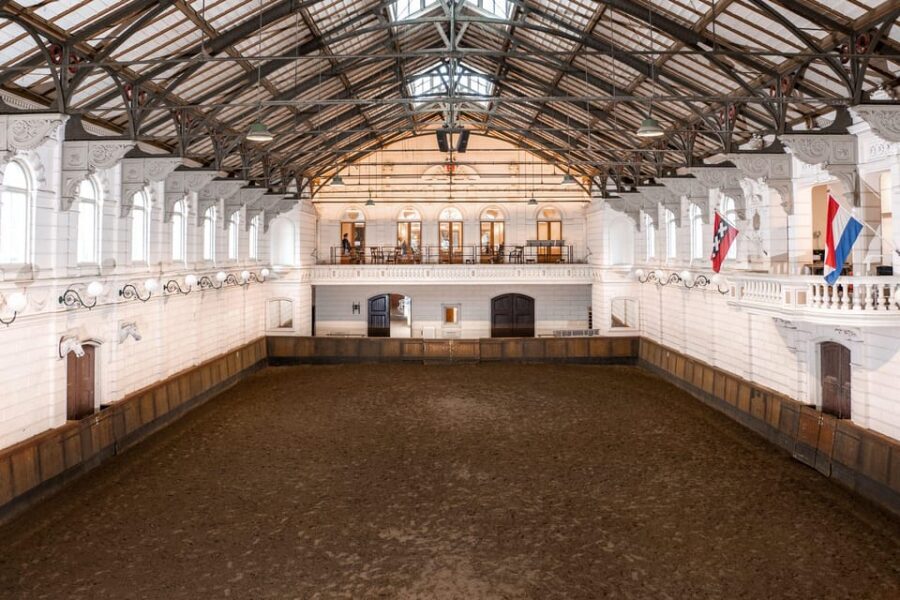
Amsterdam loves canals, bicycles, and museums that take over your whole day. This is different. The Hollandsche Manege is a horse-focused venue with the kind of classic order you don’t always find in the city. You walk in and immediately feel the rhythm of the place: structured spaces, polished surfaces, and the sense that this has been going on for a long time.
The big draw is the origin story. The school dates back to 1744, and the venue is still operating as a riding-school environment. That matters, because you’re not only looking at “history behind glass.” You’re seeing how horses and riders fit together in a routine that continues today.
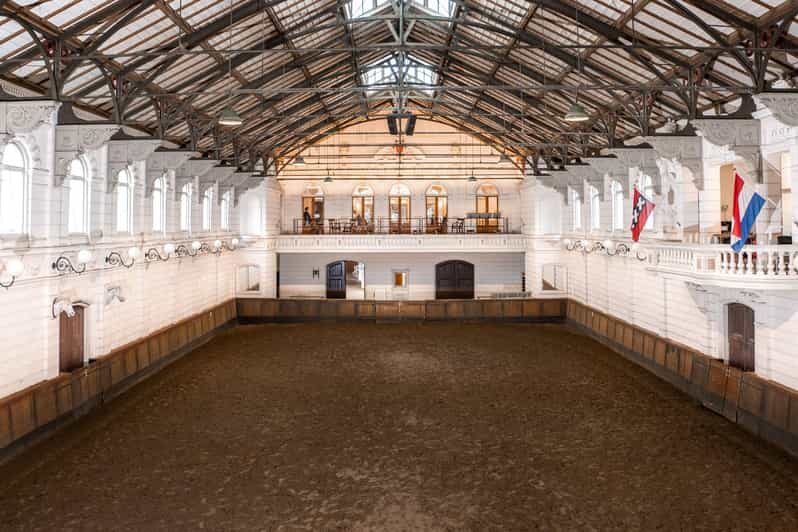
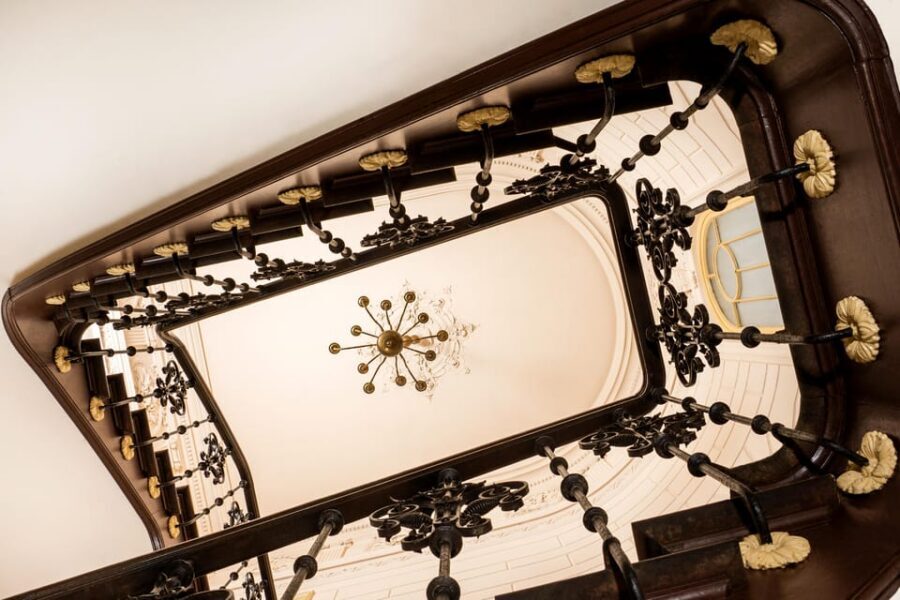
The building itself sets the tone. You’ll pass through the archways, look up at columns, and take in the elegant lines that make the stable feel like a proper hall, not a back-of-house barn. Even if you’re not a horse person, the architecture helps you slow down and pay attention.
You can also read our reviews of more tours and experiences in Amsterdam



Ticket value at around $18: what you actually get
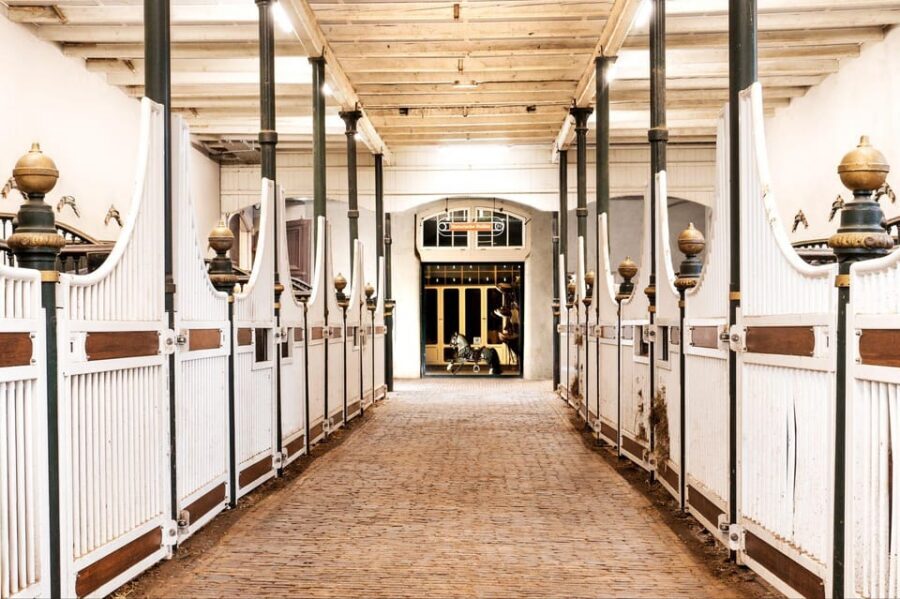
At about $18 per person for a 1-day visit, the price isn’t just for entry. Your ticket covers:
- Access to the entire venue
- A visit to the stables
- Live lessons
- The museum part of the experience
That package is the value. Many “attraction tickets” in Amsterdam cover one segment—usually a building tour or a single exhibit. Here, you get multiple layers in one stop: architecture, museum context, and live horse interaction.
Two small points for realistic planning:
- A drink in the foyer isn’t included, so if you want coffee or something to sip, budget a little extra.
- It’s a short-format experience (you’re working within a 1-day window), so it’s best as a focused activity rather than a full replacement for a full-day plan.
Also, the setup is built for smooth entry. The host or greeter speaks Dutch and English, and the experience is wheelchair accessible, so you’re not stepping into a maze of “good luck figuring it out.”
Entering the venue: archways, columns, and the museum switch-on
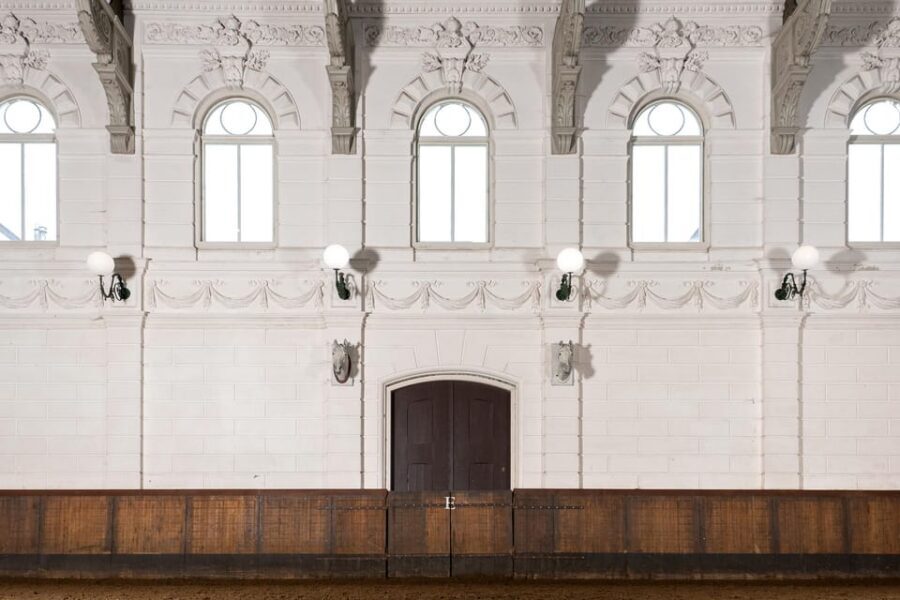
When you arrive, go to the large doors at the specified address (you’ll know it when you see it). From there, the experience flows like a guided arc.
First comes the “wow” moment: the regal archways and classic columns. The stable hall has that old-world feel—clean, structured, and designed for riders and horses to move with purpose. There’s a sense of echo in the space that makes the sound of hoofbeats feel like part of the story, not just background noise.
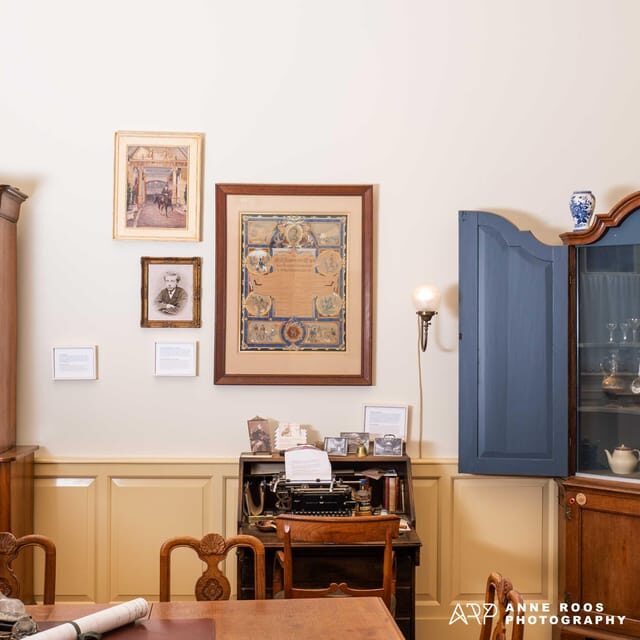
Then you shift into the museum side of the visit. This is where the venue becomes more than just a look-and-go stop. You can see antique saddles, old riding gear, and photos that trace the evolution of Dutch horsemanship. It’s not presented like a random collection. It’s more like a timeline of how riding training and equipment have changed while keeping the core Dutch bond with horses intact.
What I like about this museum approach is that it gives you language for what you’ll notice next. After seeing the gear and photos, you’re more likely to connect the “why” behind the riding-school vibe rather than only taking in the “what.”
The museum portion: antique gear and photos that explain the horses
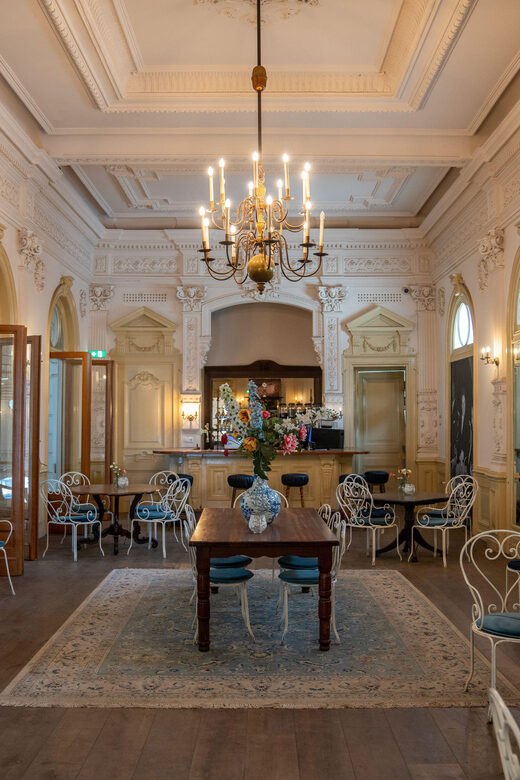
The museum section does a good job of turning curiosity into understanding. If you’ve ever wondered why Dutch riding schools look so formal, the exhibits help connect the dots.
You’ll find:
- Antique saddles and weathered riding equipment
- Photographs that show the culture around training and horses
- Context on Dutch breeds and how horses shaped cultural identity
The smartest part of this museum stop is that it frames horses as partners in daily life, not props for performance. The exhibits are basically there to tell you: horses weren’t just entertainment in the Netherlands. They were part of a living relationship—training, care, and routines included.
Even if you’re only at the start of the horse rabbit hole, you’ll come away with clearer context. You’ll probably notice more details during the stable visit, because you’ll already know what to look for.
Stables time: see the horses up close, plus petting and feeding
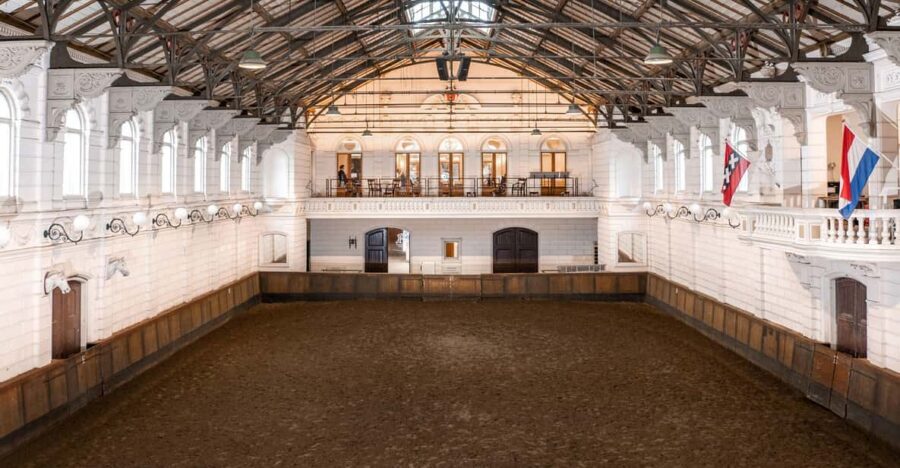
The heart of the visit is the stables area. This is the section that makes people smile and linger. You get access to see the horses during their daily environment, and you’ll be close enough to appreciate their presence as more than background scenery.
Based on what’s repeatedly praised, two parts are especially memorable:
- The chance to pet the horses
- The chance to feed the horses
That’s a big deal for value and comfort. In many animal-related experiences, you’re kept behind barriers and allowed only a quick glance. Here, the structure supports real interaction, within reasonable visitor behavior and the venue’s rules.
You should still go in with the right mindset: treat the horses calmly, move slowly, and follow what the staff indicates. The rules also matter—smoking indoors isn’t allowed, and the venue doesn’t allow alcohol or drugs. That’s not just legal formality; it helps keep the stable environment predictable for the horses and safer for everyone.
If you’re sensitive around animals, be careful. This experience is not suitable for people with animal allergies, and that’s an important reason to skip if that applies to you.





Live lessons: classical riding-school training in action
The included live lessons are what turn a museum visit into something you can feel. You’re not just walking through a historical space—you’re seeing training in progress inside a venue that’s designed for it.
Even if you don’t know the jargon, watch the rhythm:
- How the riders hold space
- How the horses respond to routines
- How the training environment stays organized
The classical style of the riding school is part of the charm. It’s polished and formal-looking, and the lessons help you understand that the setting isn’t random. It’s meant to support consistent training, which is exactly what you want to observe if you’re curious about how horse work is done beyond entertainment.
One practical note: since the whole experience is 1 day and the appointment-style flow depends on starting times, this is best when you can arrive without stress. You’ll get more out of it if you’re ready to pay attention once the session begins.
How long it takes and how to fit it into your Amsterdam day

This is a 1-day ticket, and the venue runs by starting times. In practice, it’s the kind of activity that fits nicely between bigger sights—especially when you want a break from museums that last half a day.
I’d treat it like a “focused stop,” not a wandering adventure. You’re going to:
- Arrive, enter, and take in the hall
- See the museum artifacts and photos
- Move into the stable visit
- Watch or participate in the live lesson portion
If your day is already packed with canal walks and classic Amsterdam neighborhoods, this adds a different flavor. You get history, but you also get something active happening in the room with you.
If you’re planning ahead, pick the time that matches your energy. The venue’s flow works best when you’re not rushing and you can actually stick with the full sequence.
Who should book this and who should skip it
This is a strong match if you:
- Like hands-on experiences rather than only looking at displays
- Want a chance to pet and feed horses (with staff guidance)
- Enjoy seeing how old training traditions remain alive
- Want architecture plus a museum that actually connects to what you’re doing next
It’s also a good option if you’re with kids or anyone who finds horses instantly engaging. The combination of museum objects and real stable time is a practical way to keep attention.
You should skip it if:
- You have an animal allergy
- You’re expecting a long, multi-hour day with lots of different themed stops
- You’re only interested in city sightseeing and don’t want to focus on one venue and one experience
A quick reality check on expectations: the place is elegant and historic, but the experience is still straightforward—horses, training, and artifacts. If you prefer big-ticket entertainment or hours and hours of content, you might want to pair it with another sight afterward rather than trying to make it your entire day.
Small practical notes before you go
A few things to plan for so the visit stays smooth:
- You’ll be inside and around horses, so wear something comfortable for standing and walking.
- Follow the venue behavior rules: no smoking indoors, and no alcohol or drugs.
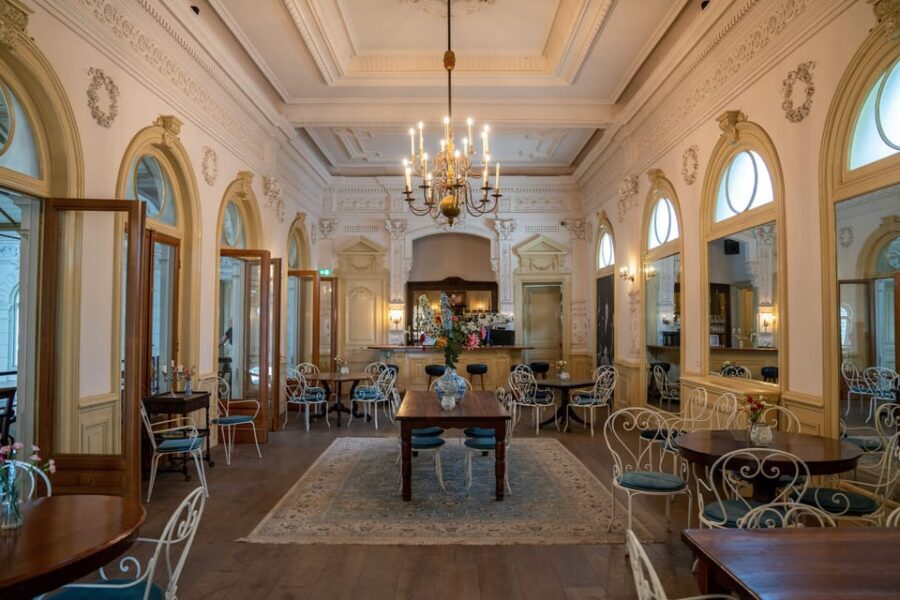
- Plan on paying for any drink in the foyer separately.
- The host or greeter supports Dutch and English, which helps if you want to ask basic questions.
And yes, you should be ready for the sensory part. Stable environments have their own sounds and smells. That’s part of the authenticity—and the reason horse people get excited.
Should you book the Hollandsche Manege ticket?
If you want a short, well-focused Amsterdam experience that mixes 1744 riding-school heritage with a real stables visit and live lessons, I think this ticket is worth your time. The value is strongest when you like up-close interaction and you’re curious about how Dutch horsemanship developed and continues.
Book it when:
- You can spare about an hour and want a calm, meaningful change of pace.
- Horses are a priority for your trip.
- You’ll enjoy the museum artifacts as context, not just as decorations.
Skip it when:
- Animal allergies apply.
- You want a long day with lots of unrelated stops.
- You’re looking for something that feels like a big production rather than a working training environment.
If your plan is flexible and you’re open to an under-the-radar experience that actually gives you a hands-on connection to history, the Hollandsche Manege is an easy yes.
FAQ
How long is the Hollandsche Manege ticket experience?
It’s listed as valid for 1 day, and you’ll choose from available starting times based on your booking date.
What’s included with the ticket?
The ticket includes access to the venue, a visit to the stables, and live lessons.
Is a drink included?
No, a drink in the foyer is not included.
What languages are the hosts or greeters?
The host or greeter provides Dutch and English.
Is it wheelchair accessible?
Yes, the venue is wheelchair accessible.
Is it suitable if I have an animal allergy?
No, it’s not suitable for people with animal allergies.