REVIEW · AMSTERDAM
Amsterdam: Houseboat Museum Entry Ticket
Book on GetYourGuide →Operated by Boat Boys · Bookable on GetYourGuide
One ship, two lives, tiny rooms. This Amsterdam entry ticket takes you aboard the Hendrika Maria, a real houseboat with the look and feel of past decades, not a staged set. I especially love the original 1970s interior and the way the visit explains how a freight barge became a family home. One practical catch: the layout is tight and the stairs are steep, so plan around that.
If you like history you can touch, this one delivers fast. You’re shown how a family of four lived on a vessel when it was still a working freight ship, and you’ll see details that feel made for work, like the sailing mast setup. The museum also leans interactive and talk-based, so you’re not just walking and reading.
In this small space, the visit moves at a good pace. It’s short enough that you can fit it into a busy day, but it’s also small enough that you should go in expecting a compact experience, not a long wandering museum.
In This Review
- Key things I’d highlight before you go
- Houseboat Museum on the Hendrika Maria: What You’re Really Touring
- Stepping Inside: The 1970s Interior and the Tiny Layout
- From Freight Barge to Home: The 1914-to-1967 Story
- Sailing Gear You Can See: Mast and Leeboard Practical Details
- How Long It Takes and How to Plan Your Visit
- Price and Value: Is $12 Worth It?
- What You’ll Learn During the Interactive Visit
- Accessibility and Comfort: What to Consider Before You Go
- Languages and What That Means for You
- Who This Houseboat Museum Ticket Fits Best
- Should You Book This Houseboat Museum Entry Ticket?
- FAQ
- How long is the Houseboat Museum visit?
- What’s included in the ticket price?
- Is food or drink included?
- Can I take photos?
- Which languages are available for the host or greeter?
- Can I cancel for a full refund?
Key things I’d highlight before you go
- A real floating home on the Hendrika Maria, not a recreated model
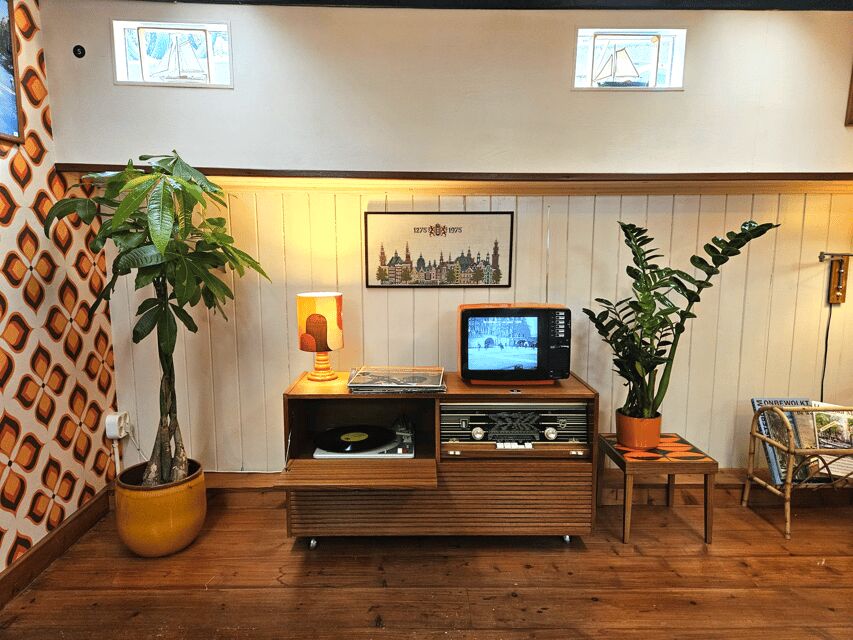
- Original 1970s interior colors and layout that match how it was lived in during regular home use
- Freight barge backstory: converted into a houseboat in 1967 after working as cargo transport
- Sailing gear you can see, including an original mast and leeboard
- Family-life perspective, built around how a family of four lived on board
- Photography allowed without flash, so you can capture details without slowing the visit
Houseboat Museum on the Hendrika Maria: What You’re Really Touring
This ticket is simple: you enter the Houseboat Museum in Amsterdam and tour the vessel itself. The “museum” isn’t in a big building with rooms branching off. Instead, you’re stepping into the home—a boat that has been used as a living space for many years.
The boat at the center of it all is the Hendrika Maria, built as a cargo ship in 1914. The key timeline matters because it shapes everything you’ll see. The ship was used like a working freight barge, then it was converted into a houseboat in 1967, when it shifted from transporting goods to supporting daily life.
That’s the heart of the experience: you’re not only looking at old objects. You’re walking through a physical story. The layout and materials help you understand how people adapted when their “house” was also a boat—movement, storage, and workspaces all in the same footprint.
And you’ll quickly feel why this is a special format. On land, rooms are just rooms. Here, they’re part of a ship, which means angles, stairways, and compact spaces aren’t design choices—they’re the reality of life on a vessel.
You can also read our reviews of more tours and experiences in Amsterdam



Stepping Inside: The 1970s Interior and the Tiny Layout
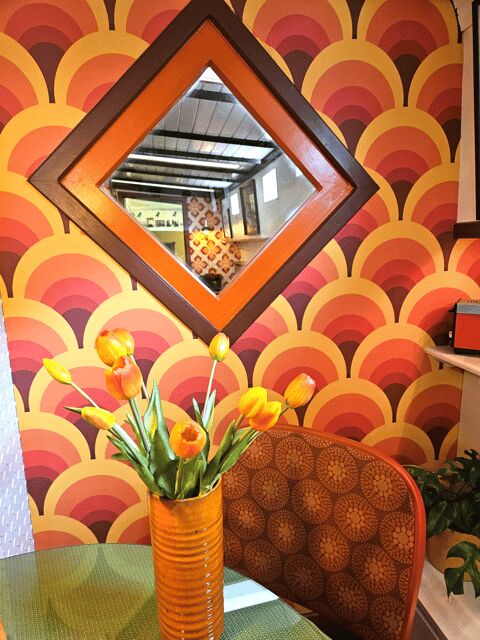
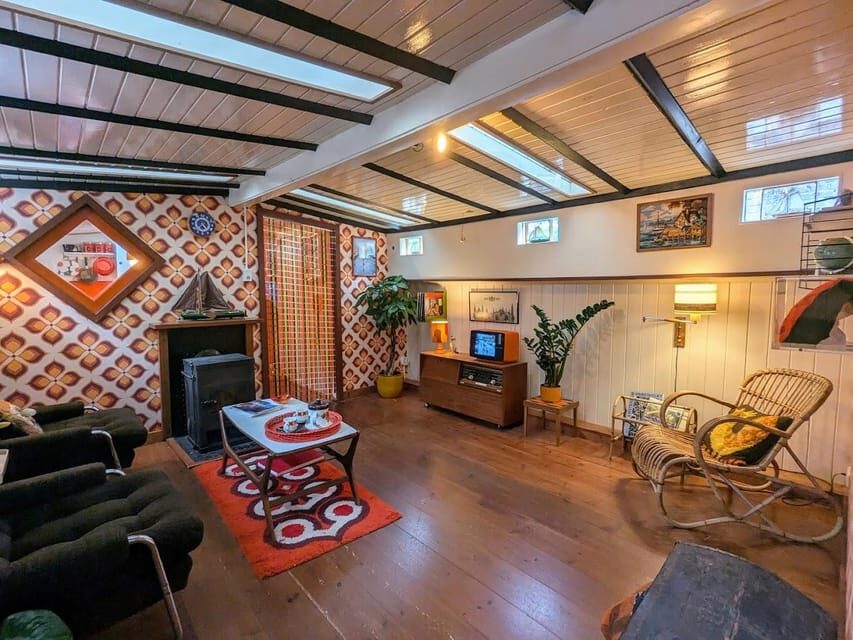
Once onboard, the first impression is visual and practical. The interior reflects its regular house use period, with the design staying from the 1970s. That comes through in the expected palette—orange, yellow, and brown tones—and the overall vibe feels lived-in rather than polished.
This is where I think the museum does a smart job. It doesn’t try to modernize the space to make it comfortable for everyone. It lets you see how people accepted the trade-offs: smaller rooms, fewer places to spread out, and an overall “everything is close” living style.
You should also expect a compact tour. The ship is not huge, and the experience is designed for flowing movement rather than long browsing. One practical clue: if you follow along with the audio-style approach described for the visit, you might spend roughly 15 to 20 minutes walking through the main spaces. Another clue is the floor area reference given in one account—around 80 square meters—which helps you calibrate your expectations.
The museum is interactive, which helps offset the smaller size. You’re guided through the story with explanation, not just a quiet self-walk. That makes it easier to appreciate the details you might otherwise miss: where things were stored, how daily routines would have fit into the space, and why certain features mattered.
From Freight Barge to Home: The 1914-to-1967 Story
The conversion from freight ship to houseboat is more than trivia—it’s what makes the visit meaningful. You’ll see how the boat’s earlier purpose shaped the internal structure and how the change in use likely required different thinking.
As a cargo ship, the Hendrika Maria would have been built for function: moving goods, with equipment and storage priorities that don’t automatically translate to comfort. When it was converted into a residential houseboat in 1967, the goal became different: create living space for people while keeping the reality of the ship.
The museum highlights how a family of four lived on board when it was still in its working mode as a freight barge. That perspective helps you understand the everyday part of the story. It’s not only about the boat’s age. It’s about the human setup—how living and work could share one environment.
One detail that sticks is how the story emphasizes continuity. The experience describes residents having lived on the boat for more than 100 years. That matters because it turns the visit from a snapshot into an ongoing lifestyle. You’re looking at a place people returned to, changed, and kept using.
Sailing Gear You Can See: Mast and Leeboard Practical Details
If you love hands-on specifics, don’t rush past the practical sailing elements. The museum includes visible, original features from the ship era, including an original sailing mast and a leeboard.
These aren’t just decorative ship parts. The leeboard is described as practical for the sailing routes of the time, including journeys to Scandinavian countries for good transportation. Seeing that kind of information in a place you can physically walk around makes it click. It helps you understand that the ship’s design served real routes and real needs—not a romantic idea of sailing.
Even if you’re not a nautical history person, these features are worth your attention because they explain why ships look the way they do. On land, you might never think about a leeboard. On the boat, it becomes obvious why the design exists and what it would have enabled.
It’s also a nice contrast to the 1970s interior. You’ll move from the cozy, colorful home feel to the ship’s working equipment context, and the comparison helps you grasp how the space evolved over time.
How Long It Takes and How to Plan Your Visit
This is a “fit it into your day” experience. The stated duration is 1 day, but that’s typical language for tickets and availability rather than a full-day wandering museum format. In practical terms, plan for a short visit and keep it flexible.
Why? Because the boat is small and the stairs and tight spaces slow you down more than you might expect at first glance. One account describes a visit that can be about 15 to 20 minutes when following the audio guide approach. Even if you take longer, you’re still dealing with a compact environment.
My advice: go when you’re ready to slow your pace. If you treat it like a big museum, you may feel slightly rushed or disappointed. If you treat it like a focused walk through one unique living space, it feels just right.
Also, photography is allowed, but no flash photography inside. That affects how you plan your phone camera settings and light expectations, especially in tighter interior corners.
You can also read our reviews of more museum experiences in Amsterdam






Price and Value: Is $12 Worth It?
The ticket price is about $12 per person. For Amsterdam, that’s not a major splurge, but it’s also not “throwaway cheap.” So you should ask: what exactly are you buying?
You’re buying access to a unique format: a museum that is literally housed in a functioning-feeling home on a real ship. That kind of ticket is paying for the vessel itself, the preservation of original features, and the labor of turning a small, personal space into an educational visit.
Where the value lands best is when you’re curious about living history and real constraints—how people handled cramped spaces, how cargo-era features were reused, and what “home” looks like when your building is also a vehicle. The interactive storytelling and commentary help justify the price because it’s not just walking through empty rooms.
Where it may disappoint you is if you want a long, expansive experience. The museum is small. If you expect a full museum crawl, the visit can feel short. The good news: the ship is engaging enough that you’ll likely want to pause at details like the mast and the interior design choices, and that’s where the “short but satisfying” feeling can happen.
A smart way to think about it: $12 isn’t paying for lots of rooms. It’s paying for a single, unusual perspective—how a family lived on a houseboat that still carries its ship identity.
What You’ll Learn During the Interactive Visit
The museum experience is built around explanation. You’ll learn how the boat functioned in its cargo years and how it transitioned into a home in 1967. The visit also emphasizes how the residents lived with the ship’s constraints over many decades.
The interactive angle matters here. A purely static museum can leave you feeling disconnected, especially on a small vessel where you might not know what you’re looking at. Here, the narration and shared knowledge help you connect interior features to daily life.
From what’s described, you’ll also pick up context about why certain sailing and ship features were practical for travel routes. That gives you a reason to look up, look around, and notice parts that might otherwise feel like clutter.
I like that it doesn’t push you toward one single storyline. It connects shipwork, household life, and design choices, which makes the experience feel more grounded than a typical historic postcard.
Accessibility and Comfort: What to Consider Before You Go
This museum is honest about the physical realities of touring a boat. Since it’s located in a real houseboat, space may be limited. That affects how you move and how long you can comfortably stay in certain corners.
Stairs are another key point: the boat has steep stairs, and that might not work for everyone. If you have mobility concerns or you don’t love tight staircases, take that seriously. You don’t want to force it and spend the visit stressed.
There’s also the “tiny space” factor. Even when a museum is interesting, crowded or narrow interiors can make it harder to linger. If you’re traveling with kids, or if someone in your group struggles with confined spaces, I’d plan extra time for slower movement or consider whether a boat tour is the right fit.
The upside is that the museum format is self-contained. You’re not walking long distances across the city to get your history. You’re doing it all in one compact place—once you’re there.
Languages and What That Means for You
The host or greeter offers multiple languages: English, French, Traditional Chinese, German, Spanish, Portuguese, Italian, and Dutch. That’s genuinely useful in Amsterdam, where it’s easy to find English speakers but less consistent to find multiple options.
If you’re not fluent in English, you can still expect a guided experience in a language you understand—at least with the availability described. It also helps the interactive style work better, because explanations can land where they should.
Even if you’re traveling with mixed-language groups, this broad coverage can reduce awkward moments where everyone goes in blind.
Who This Houseboat Museum Ticket Fits Best
I’d put this ticket at the top of the list for these kinds of travelers:
- You enjoy living history that shows how people made small spaces work.
- You like ships, sailing features, and practical design details like the mast and leeboard.
- You want an Amsterdam stop that’s different from the usual big-ticket sights and crowded canals.
- You appreciate a short, focused visit where the “museum” is one place you can walk through slowly.
You might skip or reconsider if:
- You want a long museum experience with lots of rooms.
- You’re uncomfortable with steep stairs or tight interior spaces.
- You’re hoping for a modern, bright, wheelchair-friendly layout.
Should You Book This Houseboat Museum Entry Ticket?
Book it if you want something small but specific: the chance to step aboard a 1914 cargo ship turned houseboat and see the 1970s interior preserved in the same space where real people lived. For the price level, it’s a strong value when you care about daily-life history and practical details.
I’d skip it if you’re chasing a long-form museum day. The boat is compact, and the experience is intentionally short and focused. Also, if steep stairs are a problem for you, don’t gamble on comfort.
If you’re on the fence, my advice is to treat this like a “one-of-a-kind stop,” not a major attraction. When you do that, the visit clicks: you leave with a clearer sense of how a home can be shaped by work, water, and time.
FAQ
How long is the Houseboat Museum visit?
The experience is listed as 1 day, and entry times depend on availability. In practice, the visit is compact, and following the audio guide approach can take about 15 to 20 minutes.
What’s included in the ticket price?
The ticket includes entrance to the Houseboat Museum.
Is food or drink included?
No. Food and drinks aren’t included.
Can I take photos?
Yes, photography is allowed, but flash photography is not permitted inside the museum.
Which languages are available for the host or greeter?
The host or greeter is available in English, French, Traditional Chinese, German, Spanish, Portuguese, Italian, and Dutch.
Can I cancel for a full refund?
Yes. You can cancel up to 24 hours in advance for a full refund.