REVIEW · AMSTERDAM
Amsterdam: Architektur Er-fahren
Book on GetYourGuide →Operated by Herzblut Amsterdam Stadtführungen · Bookable on GetYourGuide
It’s architecture, but at bike speed.
This 2.5-hour German-language cycling tour is a smart way to read Amsterdam’s built environment like a story: canals and warehouses in one breath, modern projects and design ideas in the next. You’ll also get a clear contrast between industrial and more picturesque scenes, plus the practical “why” behind them—water, land, and the city’s growing population.
I especially love how the route focuses on function and design, not just pretty façades. I also like the small-group feel (up to 10 people), which makes it easier to hear the guide and ask questions while you’re rolling along the water.
One drawback to plan for: you need to be comfortable riding your bike for the full ride, and it runs rain or shine—so your weather gear matters.
In This Review
- Key highlights to look for
- Architecture by Bicycle: the point of this tour
- Starting at Beursplein/Damrak: where your eye should land first
- Along the IJ and Amsterdam Central: canals, warehouses, and modern contrasts
- Houseboats and the Western Islands: architecture that lives with water
- Industrial vs. picturesque: spotting why the city looks the way it does
- Design under pressure: land, water, and housing trade-offs
- A historical “tear-down and rebuild” moment you can actually see
- Your 2.5-hour ride: pacing, group size, and bike comfort
- Meeting the guide: the easiest way to find them
- Who this tour is best for
- Price and value: what $46 covers (and what it doesn’t)
- Should you book Architektur Er-fahren?
- FAQ
- Is the tour in English?
- How long is the cycling tour?
- Where does the tour start?
- How do I recognize the guide?
- Do I need my own bike?
- Does the tour run in bad weather?
- How big is the group?
- What’s included in the price?
- Is food or drinks included?
- Can I cancel for a refund?
- Who should not join?
Key highlights to look for
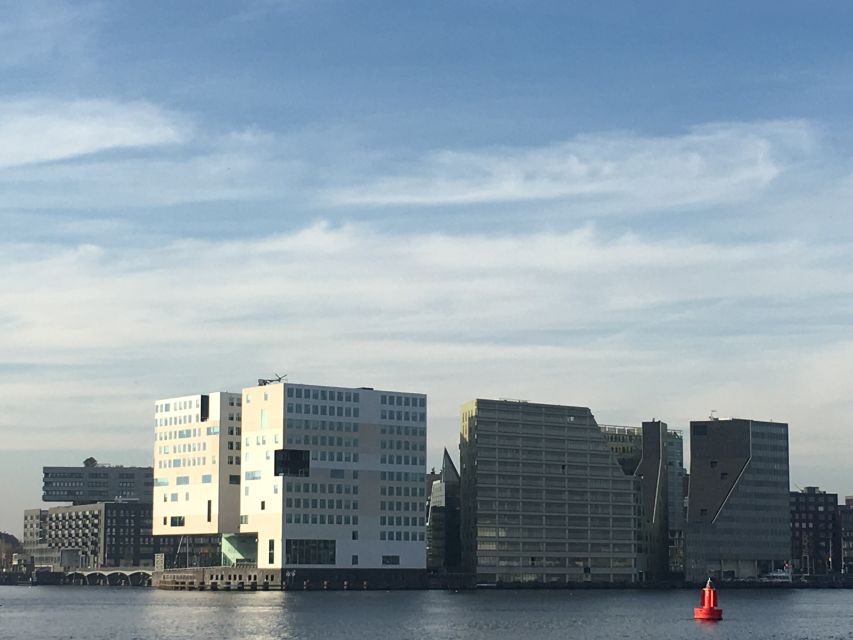
- Canals and warehouses to modern architecture: you’ll see how the city evolves without losing its waterfront logic
- The IJ-to-Central water corridor: long views that make architecture easier to understand
- Houseboats and the Western Islands: living design solutions tied to the water
- Industrial vs. picturesque contrast: not all buildings in Amsterdam are trying to look the same
- Housing trade-offs: social needs mixed with luxury goals, plus the design compromises in between
Architecture by Bicycle: the point of this tour
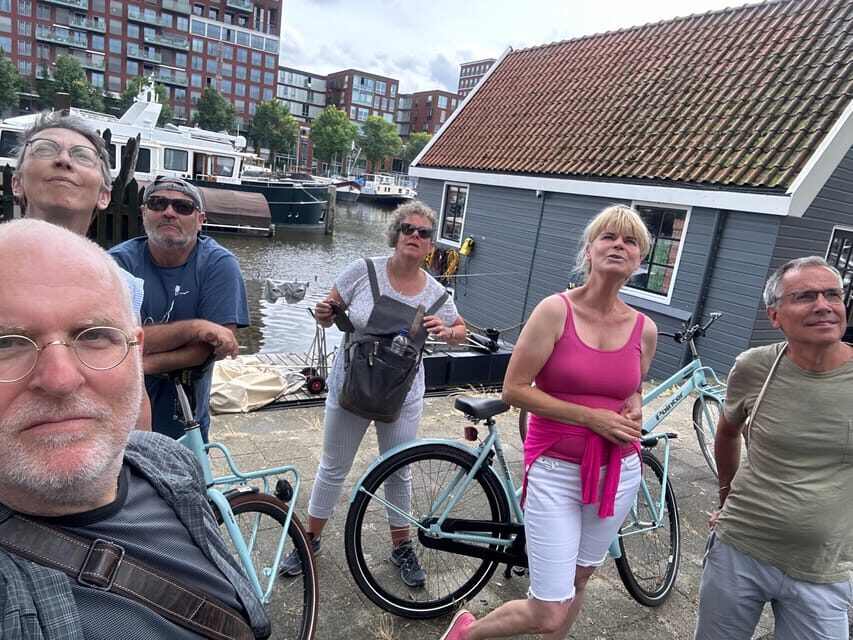
Amsterdam can feel like a postcard—until you start noticing how many choices were made under pressure. This tour is built around that idea. You’re not just looking at buildings. You’re watching Amsterdam solve problems: weak land, water management, space limits, and housing demand that keeps rising.
You’ll get a guided pass through the city’s “before and after” moments. Historic canal-side structures sit next to newer projects. Industrial forms rub shoulders with more charming, older-looking streets. And because you move by bike, you’re not stuck staring at one corner while the city passes you by.
What makes it especially useful is the guide’s framing. You learn to connect what you see—materials, shapes, layouts—with why it exists: the city’s relationship to water, the need for homes, and the ongoing push to build in a place that is never simple to build.
You can also read our reviews of more tours and experiences in Amsterdam.

Starting at Beursplein/Damrak: where your eye should land first
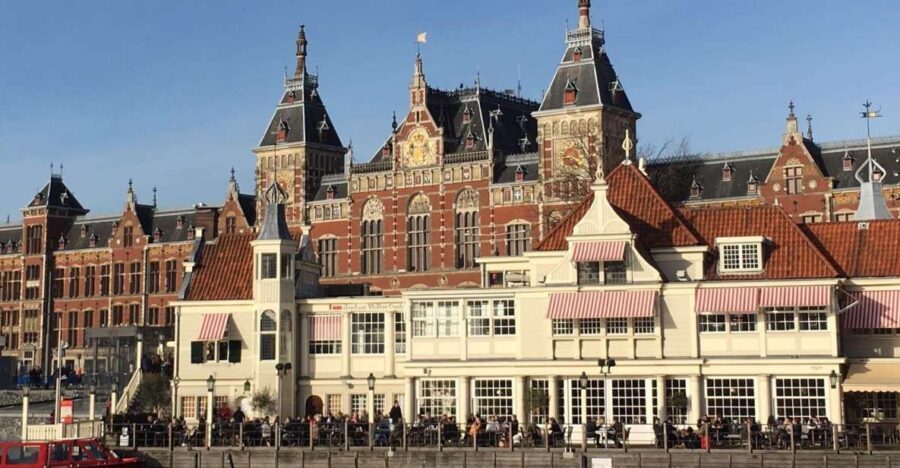
Your tour begins at Beursplein/Damrak, a practical jump-off point that helps you get oriented fast. From here, you cycle toward the IJ and Amsterdam Central, which sets the tone right away: Amsterdam architecture is always talking to the water.
In the first stretch, pay attention to how the guide points out transitions. You’ll likely notice how the city’s older waterfront logic—warehouses, canal edges, working spaces—changes into modern approaches. The goal is not to memorize names. It’s to train your brain to spot patterns: where Amsterdam tends to place buildings, how it uses sightlines along the water, and how the city manages movement around busy areas.
Along the IJ and Amsterdam Central: canals, warehouses, and modern contrasts
As you cycle along the water toward Amsterdam Central, your views open up. This matters because architecture reads differently at a distance and from a moving perspective. From the bike lane, you get a line of sight to façades, rooflines, and the way structures step back from the water.
This is where the tour’s “A to B” structure really helps. You’re guided through:
- historic canal-side buildings and warehouses, which show the older working character of the city
- modern architecture, where form and materials feel more contemporary
- innovative solutions in function and design, which explain that modern buildings often respond to very practical needs
A small detail, but important for your learning: the guide doesn’t treat the city like one style. You see industrial utility, then something more refined, then something experimental. That contrast is the whole point, because Amsterdam’s identity is built from tension.
Houseboats and the Western Islands: architecture that lives with water
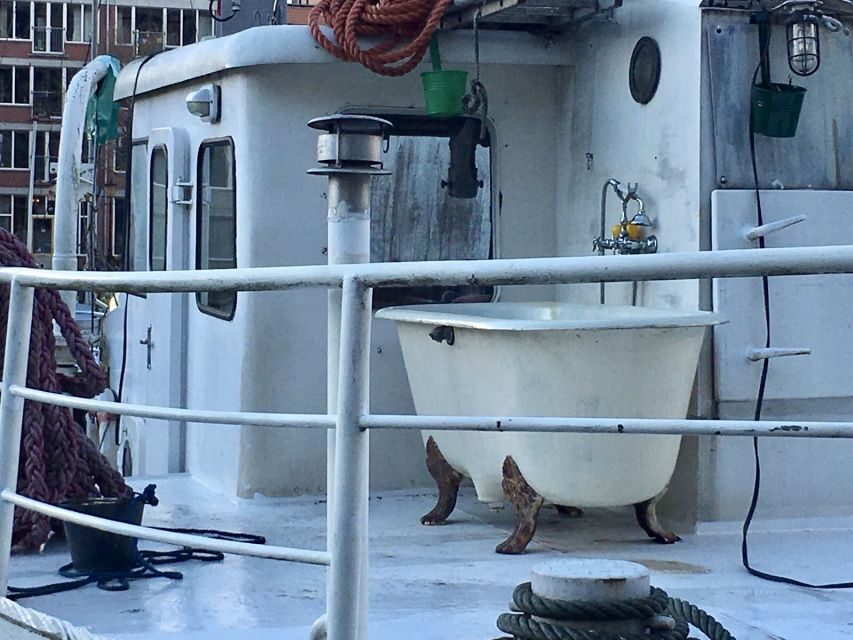
One of the tour’s best parts is the shift toward the Amsterdam Western Islands and the houseboat scenes. This is where you start thinking beyond façades. You notice how water shapes daily life and how design choices are forced by the environment.
In a city where land and water interact constantly, houseboats are a perfect classroom. They show you a different type of architecture logic—one that’s less about permanence on fragile ground and more about adaptation. Even if you’re not a boat person, you’ll come away seeing these homes as part of the broader Amsterdam system.
You’ll also be guided through the idea of “living solutions.” The tour connects the dots between:
- the problem (water, difficult conditions, and limited space)
- the response (design that fits the city’s realities)
- the result (a mix of housing types that reflect both need and aspiration)
If you like modern urban planning stories, this is where you’ll feel the payoff.
Industrial vs. picturesque: spotting why the city looks the way it does
Amsterdam doesn’t have one architectural mood. This tour makes you practice seeing the differences. You’ll observe industrial and picturesque architecture in contrast, and the guide ties it to how the city functioned (and still functions) across time.
Here’s what to watch as you ride:
- Industrial areas often emphasize usefulness and clear structure.
- Picturesque scenes tend to feel more intimate—street rhythm, smaller scales, and older-looking character.
- Newer projects often try to solve modern requirements without ignoring the waterfront’s spatial logic.
This contrast isn’t random. It reflects Amsterdam’s growth: the city has to keep building while protecting the look and livability people love. You’ll see that push and pull in real space, not in a slideshow.


Design under pressure: land, water, and housing trade-offs
The tour’s big theme is practical: Amsterdam has to handle problematic land conditions and constant water pressure. On top of that, the city faces rapidly growing population and the demand for housing.
What I find valuable here is the way the tour frames housing as a design balancing act. The guide explains the need to combine social housing with luxury housing—and that mix is not just a policy detail. It shows up in how projects are imagined and built.
You learn to look for signals of that balancing act:
- Where and how space is allocated
- How architecture handles density without feeling like a single-note block
- How new construction tries to coexist with older waterfront forms and neighborhood character
And there’s a human layer, too. You’re taught general life and history alongside the architecture talk, so buildings stop being isolated objects and start feeling like parts of a continuing story.
A historical “tear-down and rebuild” moment you can actually see
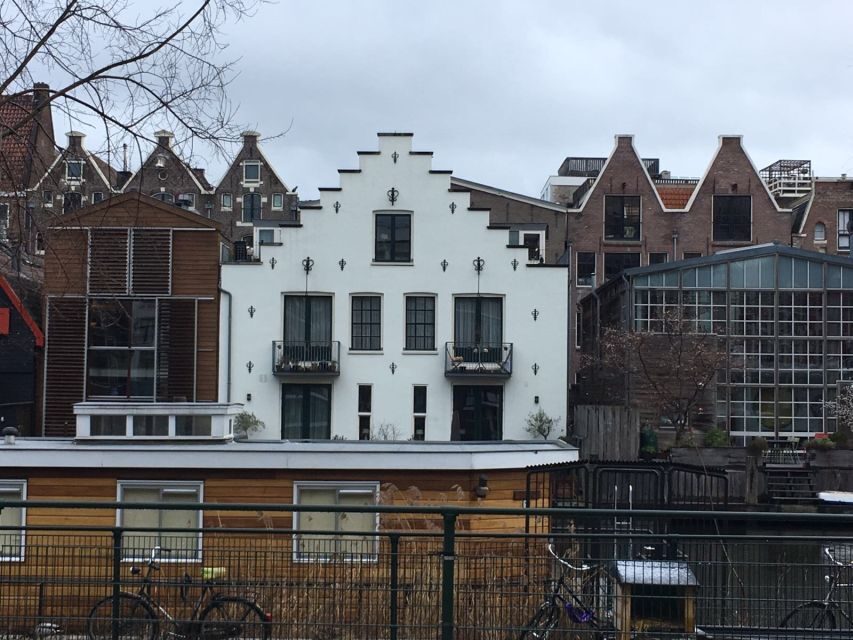
One detail that stands out from the experience description is the idea that a historical demolition is integrated into the tour. That’s more than a curiosity. When you understand what got removed—and why—it becomes easier to grasp why certain spaces look the way they do today.
This kind of moment helps you connect architectural choices to change over time. You start asking better questions:
- What problem did the old setup create?
- What did the city aim to improve?
- How did new design reflect new needs?
It also keeps the ride from becoming purely visual. You’re given context, not just angles and photos.
Your 2.5-hour ride: pacing, group size, and bike comfort
This is a guided biketour with a duration of 2.5 hours. The group stays small, limited to 10 participants. That’s a real advantage in a place like Amsterdam where bike traffic, crossings, and sightlines can demand attention. Small groups mean the guide can slow down when something is worth looking at.
You should plan for steady cycling, not a slow stroll. You’ll be moving between clusters of architecture, often along the water, where views are great but the ride keeps going.
A practical note: bike hire is not included. You’ll either bring your own functional bike or arrange rental in Amsterdam. The guidance you’ll receive is that bike hire typically runs about €5 to €25, depending on where you rent and the type of bike.
Also, the tour runs rain or shine, and alcohol or drugs are not allowed. If you tend to get uncomfortable in wet weather, treat this as a “bring proper gear” tour, not a “hope for the best” tour.
Meeting the guide: the easiest way to find them
You’ll spot your guide by a black and white striped band worn around their neck. That’s a helpful detail because meeting points like Beursplein/Damrak can get crowded fast.
If you’re the type who hates standing around waiting, show up a few minutes early. You’ll find the guide quickly, get your bearings, and start cycling instead of doing pre-tour guesswork.
Who this tour is best for
This experience fits best if you:
- like architecture but also want it explained in plain, real-world terms
- enjoy seeing contrasts: old vs. new, industrial vs. picturesque, land-focused vs. water-focused
- can ride a bike comfortably for the full length of the tour
It’s not for you if you can’t ride a bike, or if you’re the sort of rider who struggles with longer stretches in traffic-heavy areas.
If you’re traveling with family, you’ll want to be extra sure everyone in your group is a confident bike rider, because the tour’s format depends on mobility.
Price and value: what $46 covers (and what it doesn’t)
At $46 per person for a 2.5-hour guided cycling tour, the price feels reasonable given the format. You’re paying for guided interpretation—plus time on the bikes—so you’re not just sightseeing on your own.
What you should account for:
- Bike hire is not included (if you don’t have your own bike).
- Food and drinks are not included.
So the “true” cost for many people is the tour price plus whatever bike rental you need. Still, you’re getting a focused route and a guide who talks through the city’s logic—water, land, housing, and design—without sending you on a scavenger hunt.
If you like structure—start here, ride this corridor, learn the reasons for what you see—this price-to-time ratio works.
Should you book Architektur Er-fahren?
Yes, if you want an architecture tour that’s practical and visual, with a strong emphasis on why Amsterdam builds the way it does. The combination of waterfront riding, contrasts between industrial and picturesque architecture, houseboats, and Western Islands makes it feel like more than a standard canal walk.
Skip it if you hate biking, dislike getting wet, or need frequent stops to rest your legs. Also, if you’re looking for a purely photo-based tour, you might prefer something less interpretive.
If you’re on the fence, think about your goal: do you want to see Amsterdam, or do you want to understand how the city’s built choices fit together? This tour is designed for the second option.
FAQ
Is the tour in English?
The live tour guide speaks German.
How long is the cycling tour?
The tour lasts 2.5 hours.
Where does the tour start?
You meet at Beursplein/Damrak.
How do I recognize the guide?
The guide wears a black and white striped band around their neck.
Do I need my own bike?
Bike hire is not included in the price. You should make sure you have access to a functional, roadworthy bicycle.
Does the tour run in bad weather?
Yes. The tour takes place rain or shine.
How big is the group?
It’s a small group with a limit of 10 participants.
What’s included in the price?
A guided biketour, with lots of information and fun details.
Is food or drinks included?
No. Food and drinks are not included.
Can I cancel for a refund?
Yes. You can cancel up to 24 hours in advance for a full refund.
Who should not join?
The tour isn’t suitable if you can’t ride a bike. Alcohol and drugs are also not allowed.