REVIEW · AMSTERDAM
Amsterdam 1-Hour Canal Cruise With Live Guide
Book on Viator →Operated by Captain Jack Amsterdam · Bookable on Viator
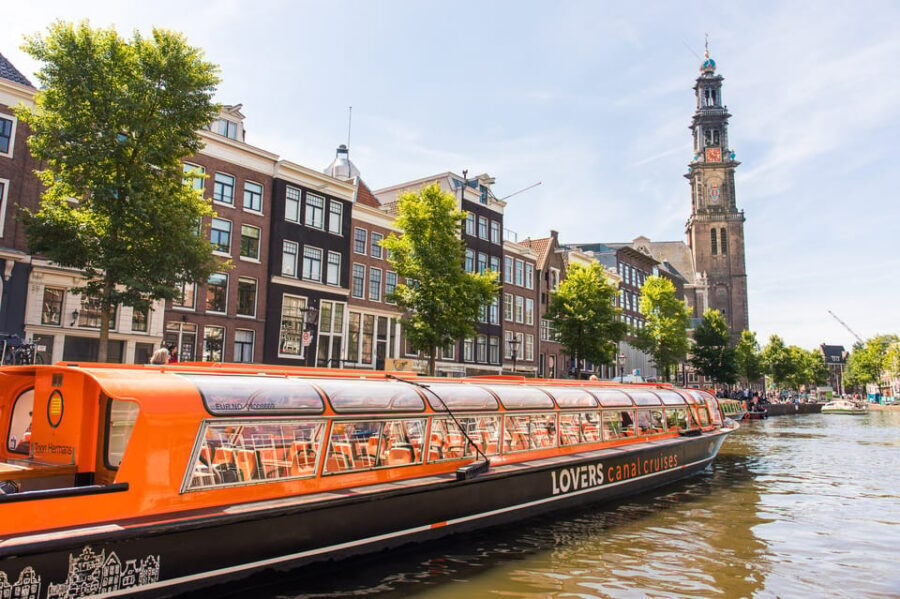
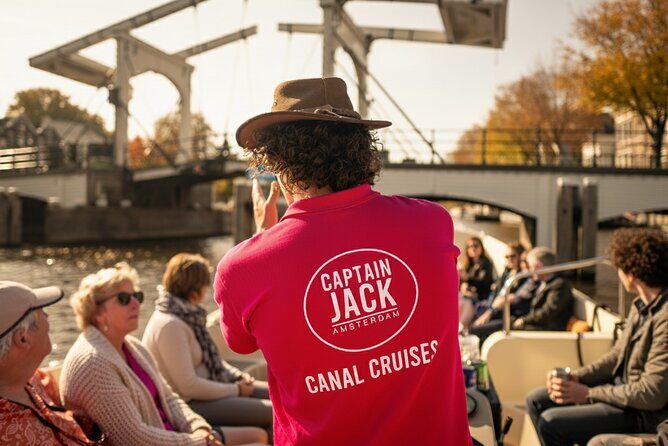
Amsterdam by canal is great. This cruise adds comfort and a live guide who helps you see the city, not just float past it. You’ll ride a quiet, electric-powered boat with an open-air deck (and heating/closed setup in winter), gliding past the canal ring sights that made Amsterdam famous.
What I love most is the comfort setup: cushioned seats, plus blankets for chilly days. I also like how the guide keeps the commentary moving, with stops and pass-bys tied to Amsterdam’s big themes—canals, neighborhoods, and the human stories around them.
One thing to consider: the experience depends on timing and sound level. The departure can run a bit late, and on rare days the captain’s radio for safety can feel loud from the deck, which can make the guide harder to hear for some people.
In This Review
- Key highlights you’ll actually feel on board
- Electric canals and the guide format that keeps it fun
- From Prinsengracht to the Anne Frank hiding place
- Why the canal ring matters: the UNESCO belt of belts
- Docking in front of the Rijksmuseum for the classic photo angle
- Jordaan vibes, houseboats, and the wooden bridge look
- Amstel stretch: opera, churches, and the city at play
- Comfort details that make the hour feel easy
- Price and value: $26.59 for a fast, guided canal loop
- Who should book this canal cruise?
- Should you book this tour?
- FAQ
- How long is the canal cruise?
- What does my ticket include?
- Is there a bar on board?
- Where do I meet, and where does the tour end?
- Will the boat be open-air in winter?
- Can I cancel and get a full refund?
Key highlights you’ll actually feel on board
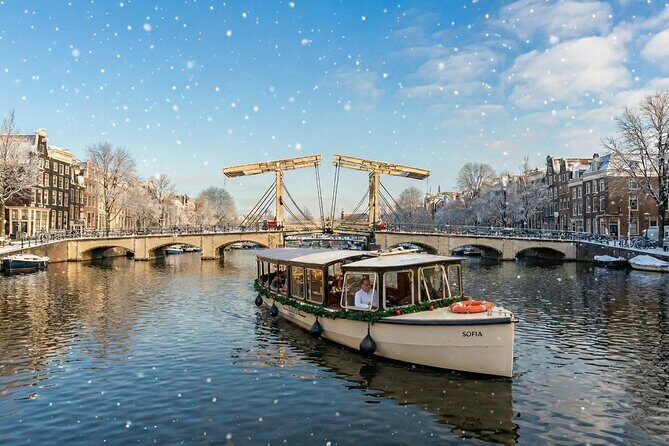
- Electric-powered, quieter cruise that lets you enjoy the views without engine roar
- Cushions, blankets, and umbrella coverage so you don’t freeze mid-cruise
- Live guide commentary that turns major landmarks into quick context you can remember
- Small group size (max 30), which makes it easier to ask questions
- Dock time near the Rijksmuseum so you can get that classic canal-ring angle
- Anne Frank area stop that anchors the darker parts of Amsterdam history in the right place
Electric canals and the guide format that keeps it fun
This is a luxury-style canal cruise designed for comfort and ease. The boat runs on electricity, so it’s quieter than many older-style canal craft. That matters because you’re out there for an hour—long enough to lose interest if the ride feels like background noise, short enough to stay engaged if the guide keeps things lively.
The guide-driven format works well if you want the highlights without building a full itinerary. You’ll get the names of places you’ll recognize later—canal districts, bridges, museums—and you’ll hear the “why” behind them as you go. It’s also a good reset if you’ve been walking all day and your feet need a break.
If you’re the type who likes to ask questions, the smaller max group helps. You’re not stuck shouting into a crowd. And if you’re not a question person, you’ll still appreciate the commentary pacing because it keeps the boat moving through the city’s main story beats instead of listing random facts.
You can also read our reviews of more boat tours in Amsterdam

From Prinsengracht to the Anne Frank hiding place
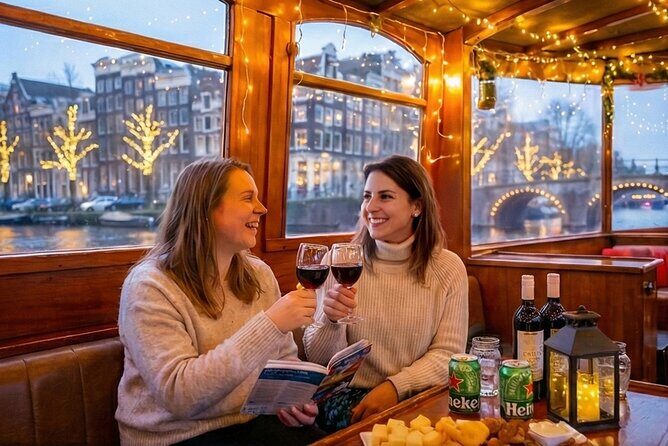
Your tour anchors right in the canal-side world that Anne Frank’s story is tied to. The ride centers around the Prinsengracht area and includes a stop at the museum where Anne Frank and her family hid from the Nazis. Standing near that site from the water gives you a different perspective than the typical line-and-wait visit.
Here’s what that stop helps you understand: Anne Frank and her family lived in hiding for more than two years on the Prinsengracht. She was later deported to Bergen-Belsen in 1945 and died at age 15. Her diary is what keeps her voice present, and it’s why people come to Amsterdam in such large numbers to learn about her life and the period around her.
If your brain likes story context, this part of the cruise lands hard in the best way. It also sets the tone for how Amsterdam tells history: canals are not just pretty scenery. They’re part of where people lived, hid, worked, traveled, and changed.
Practical tip: if you’re going at a time when the deck is windy, bring a layer you can keep on. Even in winter with the heated setup, you’ll feel that cool canal air when you move around for photos.
Why the canal ring matters: the UNESCO belt of belts
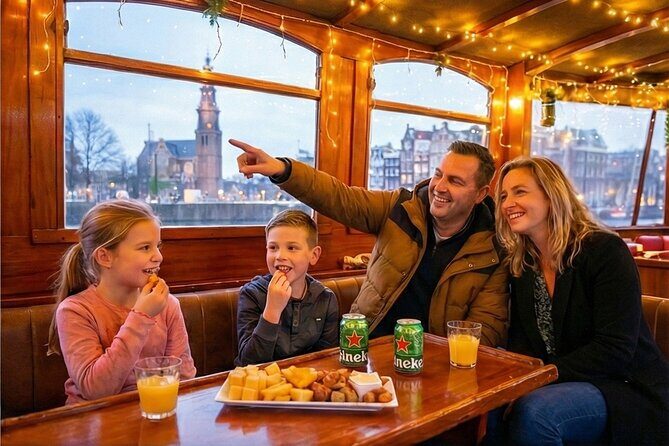
Once you’re past the Anne Frank area, the guide shifts you toward Amsterdam’s signature canal structure. You’ll hear about the scale: more than 100 kilometers of grachten (canals), about 90 islands, and around 1,500 bridges. Then the tour focuses on the canal ring system—especially the three main canals: Herengracht, Prinsengracht, and Keizersgracht.
These canals were dug in the 17th century during the Dutch Golden Age. The key detail is how the system forms concentric belts around the city, called the Grachtengordel. Alongside them are about 1,550 monumental buildings, which is why Amsterdam looks the way it does—tight lanes, tall façades, and canal-side architecture that feels planned.
You’ll also learn that the 17th-century canal ring area (including the Prinsengracht, Keizersgracht, Herengracht, and Jordaan) was listed as a UNESCO World Heritage Site in 2010. That UNESCO label is more than trivia. It explains why these waterways and buildings are protected, and why development here looks different than in a city with wide roads and modern sprawl.
This segment is ideal if you want to “get your bearings” fast. After an hour of guided cruising, you’ll recognize the city pattern from street level instead of feeling lost in a maze of canals and bridges.
Docking in front of the Rijksmuseum for the classic photo angle
One of the most satisfying moments is when the boat docks right in front of the Rijksmuseum. Seeing the building from the water is great. Getting that pause where you can look and line up photos makes it even better.
The Rijksmuseum is tied to Rembrandt, and you’ll hear about his famous work The Night Watch. Even if you’re not going inside that day, the exterior views help you understand why the Museumplein area is such a magnet for art lovers. It also makes the canal cruise feel less like a blur. You get a landmark moment that actually anchors the rest of the route.
If you plan to visit the museum later, this dock stop can help you decide what to prioritize. It’s also a nice contrast if you’ve already seen other Amsterdam sights and want a clean, well-known target.
One consideration: the Rijksmuseum area is popular. If you’re aiming for the best photos, give yourself a minute to get your angle before the boat moves again.
Jordaan vibes, houseboats, and the wooden bridge look
After the museum area, the cruise leans into the neighborhoods that make Amsterdam feel intimate. You’ll hear about the Jordaan and the canal naming logic around Prinsengracht and its connection to that area.
A standout stop here is the pass by the houseboat museum along the Prinsengracht. This is a chance to see how Amsterdam residents live when the canal is part of daily life. It’s also genuinely fun if you’re traveling with kids, since it breaks up the “big landmarks” pattern with something closer to real-life living.
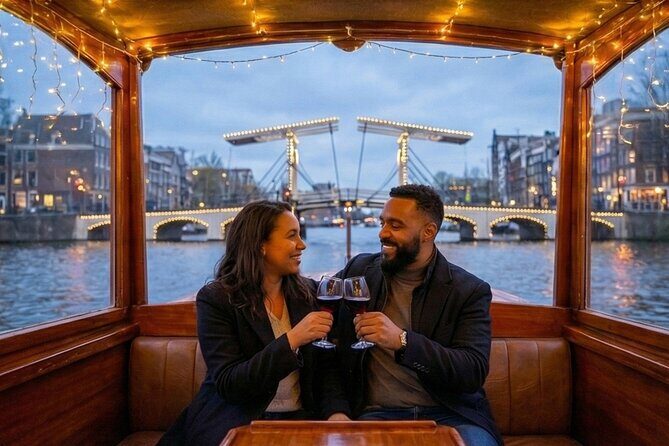
You’ll also cruise past romantic and iconic bridge views, including the wooden bridge known to English speakers as the Skinny Bridge (Magere Brug). The tour explains that the original bridge was narrow enough to make passing pedestrians difficult, and a wider bridge replaced it in 1871. You’ll also hear it described as a love bridge—kiss on top or underneath is a popular bit of local lore.
This neighborhood stretch helps you understand Amsterdam’s style: even when buildings are grand, the city still feels human. The bridges, the houseboats, and the canal edges create that sense that the city is built for slow movement.
If you don’t love crowds, the cruise format is a smart workaround. You’re not squeezed into narrow streets. You’re traveling above the street level, which makes it easier to take in the details without constantly stepping aside.
You can also read our reviews of more guided tours in Amsterdam



Amstel stretch: opera, churches, and the city at play
The route also includes the Amstel, Amsterdam’s river backbone. The tour connects Amsterdam’s founding idea to a dam built on the Amstel—fisherman built a dam and called it Amsterdam. You’ll also hear about Amstel as a beer namesake, which is one of those “only in Amsterdam” tidbits that sticks because it links waterways to everyday culture.
You’ll pass by several landmark institutions along this stretch, including the Royal Theatre Carré (currently used for musicals, cabaret, and pop concerts). The Westerkerk is also referenced as part of the surrounding Grachtengordel/Jordaan area, and you’ll hear about the Zuiderkerk as the first church designed for Protestant worship in Amsterdam.
If you’re more arts-and-nightlife oriented, this section helps you place where entertainment lives. You’ll pass the entertainment zones around Leidseplein, where you’ll find theaters and music venues. The tour even points to spaces tied to live culture, including the Stadsschouwburg and other performance spots along the way.
It’s worth noting that Amsterdam’s churches in this part of town often have layered stories. For example, the tour mentions the Duifkerk, which reopened after restoration, with original murals reappearing under paint layers. Even when you’re not stepping inside, those details remind you that buildings here have been used, repurposed, restored, and re-imagined over time.
Comfort details that make the hour feel easy
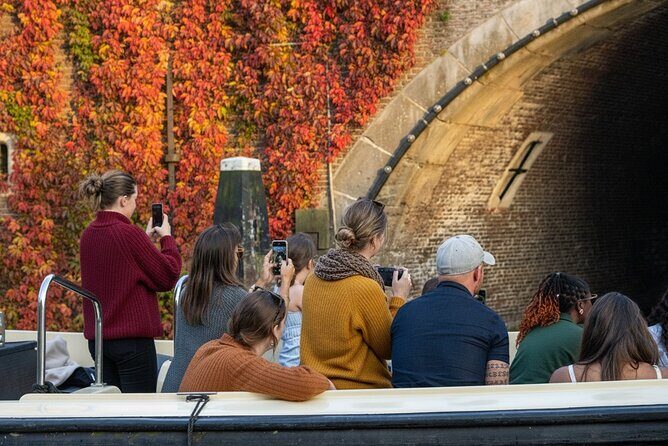
This is where the cruise earns its value. It’s not just a boat ride. It’s a comfort-first setup for a one-hour sightseeing sprint.
Included with your ticket are:
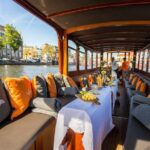
- Cushions
- Blankets
- Umbrella(s)
- An electric-powered boat
- All fees and taxes
If you go in winter, you’re not stuck on an open deck. The tour uses a closed and heated boat. On colder days, that difference matters because an hour on the water can turn unpleasant fast when wind cuts in.
On summer-like days, you’ll be on an open-air deck, and the comfort items (pillows and blankets) still help. One review detail you should keep in mind: boarding can be a little tricky if you’re traveling with mobility needs or if seniors in your group have trouble with steps. If that applies to you, arrive with extra time and consider whether you’ll feel steady during boarding.
Sound is another comfort variable. The captain may use a radio for safety communication with other boats. Most of the time the guide’s commentary comes through fine. If you’re sensitive to loud background noise, sit closer to the front/center where the guide voice carries better.
Price and value: $26.59 for a fast, guided canal loop
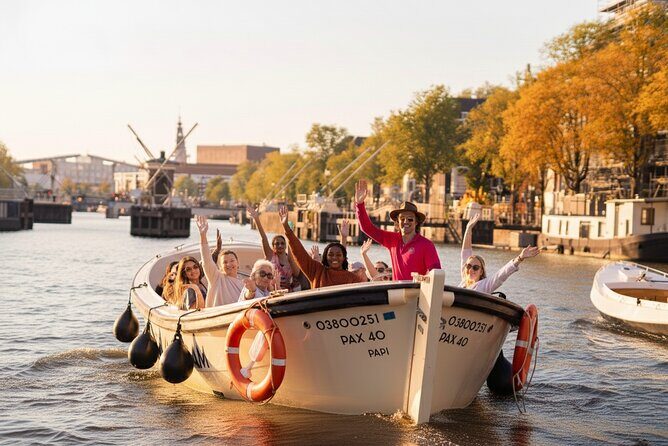
At about $26.59 per person, the value is in what you get for a single hour. Compared to other options that offer a short cruise with minimal interpretation, this includes live guidance tied to the big landmarks you actually want to know—especially Anne Frank area context and the canal ring UNESCO overview.
You’re also paying for comfort, not just motion. Cushions, blankets, and umbrellas mean you can focus on the sights instead of huddling in a jacket for warmth.
Drinks are not included, but there is a bar on board where you can buy (non)alcoholic beverages. Snacks like nuts are available for purchase too. If you want a beer or wine, you can add it. If you don’t, you won’t feel pressured—just plan to pay separately.
This price makes the most sense if:
- You want a guided highlight loop rather than a self-guided canal day
- You want comfort (blankets especially) without committing to a full museum schedule
- You’re short on time but want better context than a quick photo-only cruise
Who should book this canal cruise?
Book it if you want a calm hour on water that still gives you names and meanings you’ll remember later. It’s especially fitting for first-time Amsterdam visits and for people who want to see a lot without walking the same streets twice.
It also works well for families because the boat experience is simple: sit, listen, look. The houseboat museum pass gives it a hands-on feel without needing extra tickets.
If you dislike group settings or you need to hear instructions perfectly no matter what, keep in mind the two potential issues: departure timing can slip slightly, and audio can be harder to catch on some days if safety radio volume is high. Those aren’t guaranteed problems, but they’re worth knowing so you can plan.
Should you book this tour?
My take: yes, if you want an easy, comfort-focused way to see the Amsterdam highlights in one hour. The big reasons are the electric boat comfort, the blankets/umbrella setup, and the live guide who ties the scenery to the city’s story—especially around the Anne Frank area and the canal ring structure.
I’d skip it only if you’re looking for a deep, stop-everywhere walking tour experience. This is a cruise format, so you’ll be learning through viewing and commentary, not museum-depth time in each location.
If you can choose timing, I’d aim for late day light when possible—soft lighting tends to make the canals look even better from the deck. And if the weather is cold, trust the winter setup. This tour is built for that.
FAQ
How long is the canal cruise?
The cruise lasts about 1 hour.
What does my ticket include?
Your ticket includes the luxury electric-powered boat, cushioned seating, blankets, umbrellas, and all fees and taxes. Alcoholic beverages and snacks are not included.
Is there a bar on board?
Yes. There is a complete bar where you can buy (non)alcoholic beverages.
Where do I meet, and where does the tour end?
You meet at Prinsengracht 261a, 1016 GV Amsterdam and the activity ends back at the meeting point.
Will the boat be open-air in winter?
In winter, the tour uses a closed and heated boat.
Can I cancel and get a full refund?
Yes. You can cancel up to 24 hours in advance for a full refund. If you cancel less than 24 hours before the start time, the amount paid is not refunded.