REVIEW · GUIDED
Historical The Hague: Private Tour with Local Guide
Book on Viator →Operated by Discover Delft · Bookable on Viator
Power lives in plain sight here. This private Historical The Hague tour turns government buildings, palaces, and statues into a story you can walk—and understand—fast. I like how it mixes old Dutch turning points with what the country looks like today, and I also like the flexible pace: you can ask questions and set the rhythm. One watch-out: in just about 2 hours, you’ll get impressions and context, not deep museum time.
In This Review
- Key things you’ll care about most
- Enter The Hague’s political heart, one stop at a time
- Starting at Plein and Willem van Oranje’s 80 years war link
- Mauritshuis: Vermeer fame and the building you should notice
- Binnenhof and Ridderzaal: seeing where politics gets real
- Hofvijver and the prime minister’s tower: pond politics
- Thorbecke Monument: constitution logic in statue form
- Lange Voorhout: The Hague’s diplomatic runway (with embassies and royal hints)
- Noordeinde Palace: the working palace and the flag clue
- Grote Kerk and its stork: a church with a question waiting
- Johan de Witt’s statue: the weird story that lands hard
- Pace is yours: asking questions about life in the Netherlands
- Price and value for a private, 2-hour history walk
- Practical tips so your walk feels easy
- Who this tour fits best
- Should you book this Historical The Hague Private Tour?
- FAQ
- How long is the Historical The Hague private tour?
- Is this tour private?
- How many people can be in a group?
- Does the tour include pickup and a mobile ticket?
- Are admission tickets included?
- What’s included in the price?
- Can I cancel for a full refund?
Key things you’ll care about most
- A private guide for your group up to 15 means you can ask questions without feeling rushed.
- Het Plein to Noordeinde covers politics, royalty, and everyday symbols in a tight loop.
- Mauritshuis-area storytelling gives you museum context and Vermeer focus without needing a full-day plan.
- Binnenhof and Ridderzaal stops help you understand how Dutch governance actually works in real space.
- Quick “read the flag” moment at Noordeinde Palace turns the palace into a real-time clue.
- Careful walking around cyclists is smart; bike riders share these streets.
Enter The Hague’s political heart, one stop at a time
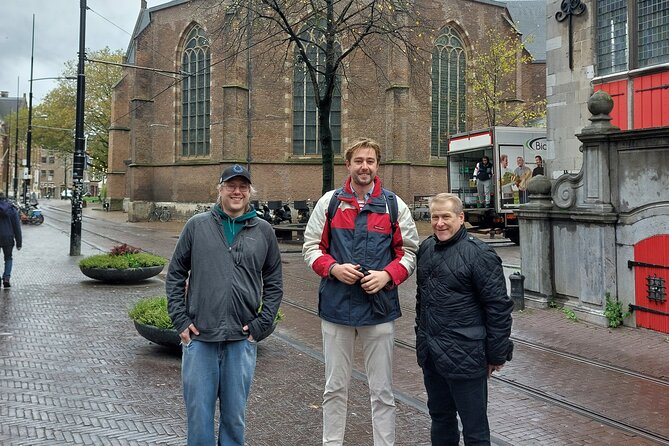
This tour is built for people who want more than photos. You get the feel of The Hague’s “classy streets, charming architecture, and peculiar palaces,” but the real point is how the Dutch political system shows up in everyday sightlines. And because it’s private, the guide can slow down when something catches your interest—or move on when you’ve got places to be.
I like that the guide doesn’t just name landmarks. You get the why behind them, from the early Dutch revolt era to how today’s leaders work from buildings you can stand in front of. It also helps that the tour format is short enough to fit into almost any itinerary, especially if you’ve already got museums on your list later.
Starting at Plein and Willem van Oranje’s 80 years war link
You begin at Plein, a practical starting point for getting your bearings. From there, the guide connects the story of Willem van Oranje—often called the Father of the Fatherland—to the broader 80 years war and the Dutch revolt.
Even if you only know the basics, this kind of start matters. It gives you a timeline anchor before you move into the parliament complex area. In other words, you’re not just reading history plaques as you walk. You’re learning how earlier political struggle shaped what The Hague represents later: the Netherlands as a place where governance is serious business, and public space reflects that.
Mauritshuis: Vermeer fame and the building you should notice
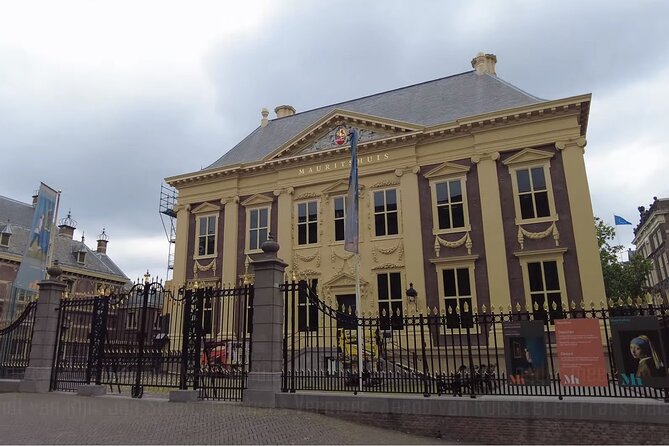
Next you head toward the Mauritshuis. You won’t spend long here, but it’s the kind of stop that makes a later museum visit easier if you decide to go in. The guide explains the building’s background and points out why this museum is tied to Johannes Vermeer—specifically, its famous Vermeer paintings.
Here’s the practical value: Mauritshuis is one of those names you’ve probably heard, even if you don’t know the art yet. A quick orientation from a local guide helps you recognize why the museum is important and what kind of viewing experience people come for.
A small consideration: because the tour time is tight, this isn’t a “go inside and study paintings for an hour” moment. Use this stop to connect the dots, not to expect a full art immersion.
Binnenhof and Ridderzaal: seeing where politics gets real
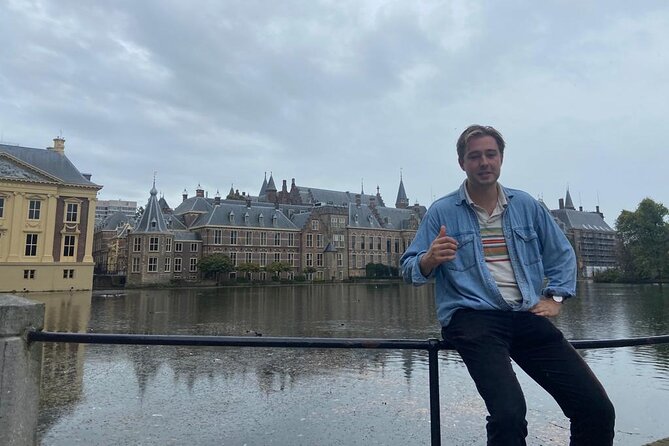
Now you step into the Binnenhof area. You’ll walk onto the square inside the parliament complex and get a look at the Ridderzaal, the Knight’s Hall. The guide frames its significance and how it fits into Dutch governance and national history.
This is one of the best parts for first-timers because it makes government architecture make sense. These aren’t just grand buildings. They’re spaces built to host decision-making, ceremony, and public authority. When you understand that, The Hague feels less like a “pretty city” and more like a working political center.
With luck, you might spot movement—maybe ministers walking by. Even if you don’t, the guide’s explanation helps you read what you’re seeing and why it’s placed where it is.
Hofvijver and the prime minister’s tower: pond politics
The next stop is the Hofvijver, the pond in front of the parliament building. It also sits near the prime minister’s office, marked visually by that “little tower” reference you’ll hear on the tour.
This stop is more than scenic. The guide explains why the pond matters and shares a few funny bits about its story. That tone shift is useful: after heavy history, you get lighter context that still connects to how the political center feels in daily life.
If you’re the type who likes details, this is where you’ll appreciate the “small symbol” approach. A pond doesn’t sound political at first. But standing there with the guide’s explanation, it becomes another clue to how The Hague works.
Thorbecke Monument: constitution logic in statue form
From the Hofvijver you move to the Thorbecke Monument, a statue connected to the Dutch constitution. The guide ties it to constitutional development, so the monument stops being just “a name on a corner” and becomes a marker of legal history you can point to.
Statues can feel random if you don’t have context. Here, that’s fixed. You’ll understand what the figure represents and why a city would place constitution-related memory in a public, walkable spot near political power.
Lange Voorhout: The Hague’s diplomatic runway (with embassies and royal hints)
Then it’s on to Lange Voorhout. This is described as the Champs-Élysées of The Hague, and the walk does the job: you’ll pass embassies, an art museum, a famous hotel, a temporary senate building, and a statue gallery of Dutch heads of states, plus other royal-leaning buildings.
Why this matters on a history tour is simple: government power doesn’t only live behind walls. It also lives on streets where officials, diplomats, and institutions share space. Lange Voorhout helps you “see the ecosystem” around Dutch politics—who sits nearby, what kind of institutions appear, and how the city signals importance through architecture.
One practical tip: this is a walking stretch where street life is real. The streets involve cyclists, and you’ll want to stay alert as the guide keeps you moving.
Noordeinde Palace: the working palace and the flag clue
Next you’ll see Noordeinde Palace, described as the working palace of the Dutch king. The guide points out a very handy detail: based on the flag, you can tell if the king is currently in the country.
That’s a smart moment for travelers because it turns a palace into a real-time experience. Instead of treating royalty as distant spectacle, you get a small tool for reading what’s happening today.
Also, because the stop is short, it fits well. You get the explanation and the visual cue without losing half a day waiting around.
Grote Kerk and its stork: a church with a question waiting
At the Grote Kerk—the Big Church—you’ll get a look at the church and a specific curiosity: the stork on top. The guide uses that odd detail to lead into what you should pay attention to as you look up, and how churches like this fit into the city’s longer story.
This stop is a good reminder that history isn’t only in government halls. It’s also in the way cities build landmarks that keep watching over the square—literally, in this case, with something perched on top.
If you love architecture and symbolism, this is a great payoff. If you’re more “plain facts only,” you can still enjoy it because the guide frames the stork question in a way that sticks.
Johan de Witt’s statue: the weird story that lands hard
Another statue stop follows: the Statue of Johan de Witt. This one comes with a dramatic line you’ll definitely remember: it’s described as the only head of government of the Netherlands that was eaten by an angry Dutch mob.
That sounds dark and slightly unbelievable until you get the explanation from the guide. When someone talks about that kind of story, the point isn’t to shock you. It’s to show you how political power can turn deadly and how public anger becomes part of national memory.
This is also one of the reasons the tour feels balanced. It doesn’t only present polished governance. It also acknowledges the messier side of politics, the kind that makes statues and street legends matter.
Pace is yours: asking questions about life in the Netherlands
A big part of this tour is that you control the pace. The guide encourages you to ask anything you want about life in the Netherlands, not just facts about buildings.
I find that extremely useful. When you’re in The Hague for a short time, you can spend your energy on one-liners from other tours. Here, you can ask the guide what daily life really feels like—especially in a city tied so closely to governance.
Just keep in mind the tour length. Even if the guide gives great answers, you’ve only got about two hours overall. If there’s one topic you care about most, flag it early so you get the time you need.
Price and value for a private, 2-hour history walk
The price is $287.95 per group, up to 15 people. That might sound high if you’re thinking only of museum tickets. But this isn’t a museum package—it’s a private guide experience with all fees and taxes included.
For value, the key question is: do you want a local guide to connect sites in a tight loop without you having to plan every step? If yes, the cost starts to make sense. You’re paying for interpretation, flexible pacing, and the ability to ask questions while you walk between major political and symbolic landmarks.
Also, this format is ideal when you’re in The Hague briefly. A two-hour timeline helps you get an informed first look, then decide what you want to do next—maybe a museum entry, maybe a second walk on your own.
Practical tips so your walk feels easy
This tour is set up for moderate walking. It also supports service animals and is near public transportation. Pickup is offered, and you’ll receive a mobile ticket, which helps keep things simple when you’re moving around a city.
Two more “make it smoother” thoughts from the walking style described on the tour:
- Watch for bicycle riders. The streets can move fast, and bikes show up from unexpected angles.
- If you want time for photos, tell the guide early. Since pace is yours, small adjustments can prevent you from feeling rushed at later stops.
Who this tour fits best
This experience is a strong match if you:
- Want a first-time orientation to The Hague’s political center
- Like history tied to real locations you can see and stand near
- Prefer private guiding so you can ask questions and control pacing
- Appreciate a mix of older events and modern perspective, from revolt-era context to today’s working palaces
It may be less ideal if you want long museum sessions or deep interior time at each stop. The tour is designed for highlights and meaning, not hours inside buildings.
Should you book this Historical The Hague Private Tour?
Book it if you want to understand The Hague quickly—how power, symbolism, and everyday city life connect. The stops are well-chosen for a compact history-and-politics loop: Willem van Oranje at Plein, the Mauritshuis context, the Binnenhof/Ridderzaal area, then the public symbols of governance at Hofvijver, Thorbecke, and Noordeinde Palace.
Skip it (or plan to supplement it) if your top goal is museum time inside major attractions. This tour gives you the story and the bearings. You’ll likely want follow-up visits afterward if a specific place really grabs you.
If you do book, aim to bring at least one question about modern Dutch life. That’s where the guide’s ability to connect past and present turns this from a list of landmarks into a way to read the city.
FAQ
How long is the Historical The Hague private tour?
It runs for about 2 hours.
Is this tour private?
Yes. It’s a private experience, and only your group participates.
How many people can be in a group?
The tour price is per group up to 15 people.
Does the tour include pickup and a mobile ticket?
Pickup is offered, and you’ll receive a mobile ticket.
Are admission tickets included?
The tour lists admission ticket free for the stops included on the route.
What’s included in the price?
A private guide and all fees and taxes are included.
Can I cancel for a full refund?
Yes. You can cancel up to 24 hours in advance for a full refund.