REVIEW · EINDHOVEN
Eindhoven: Philips Museum Entry Ticket
Book on GetYourGuide →Operated by Philips Museum · Bookable on GetYourGuide
A factory building full of ideas is a rare combo. The Philips Museum entry ticket turns Eindhoven’s tech story into something you can walk through at your own pace, from the early lightbulb days to AI and healthcare. I love the self-paced Philips product timeline and the chance to spot how ideas became real-life change through the years. I also like that the brAInpower AI exhibition keeps the future part grounded in Philips’ actual tech focus. One thing to consider: some scheduled activities depend on your arrival time, so you’ll want to check what’s running when you go.
You’ll be walking around a space that goes beyond a typical museum room layout. The museum sits in a lightbulb factory built in 1891, so the setting supports the story instead of just decorating it. I’m also a fan of the optional audio tour in multiple languages, because it helps you control the depth without turning your visit into a lecture. The only real drawback is that food and drinks aren’t included, so plan for a break outside.
In This Review
- Key Highlights You Should Know Before You Go
- Philips Museum Entry Ticket: what you’re actually buying
- Following the Philips product timeline step by step
- Back to 1891: walking through an 1891 lightbulb factory
- Gerard Philips and the company mindset behind the tech
- brAInpower AI exhibition: Philips and the future of AI
- Mini Lectures and The Lamp: included programmed moments
- Temporary exhibitions: Eyecatchers and PSV, Eendracht maakt macht
- Torchlight Treasure Hunt, lockers, and how to pace yourself
- Price and value: is a $14 ticket a good deal?
- Who this Eindhoven Philips Museum ticket suits best
- Quick practical tips for a smoother visit
- Should you book this Philips Museum entry ticket?
- FAQ
- What is the price of the Eindhoven Philips Museum entry ticket?
- How long is the ticket valid, and do I choose a time?
- What’s included with the entry ticket?
- Is a guided tour included?
- What languages are available for the audio tour?
- Is the museum wheelchair accessible?
- Can I pay with cash, and is there a discount with a card?
Key Highlights You Should Know Before You Go
- Gerard Philips perspective: Get insight into the thinking and actions of the founder behind the company’s direction.
- 1891 lightbulb factory setting: The building itself helps you picture how early products were made.
- brAInpower AI exhibition: A focused look at AI history and where Philips is aiming next.
- Included mini moments: Catch scheduled Mini Lectures and the performance called The Lamp.
- Football connection via PSV: A temporary exhibition includes PSV, Eendracht maakt macht, adding a local Eindhoven angle.
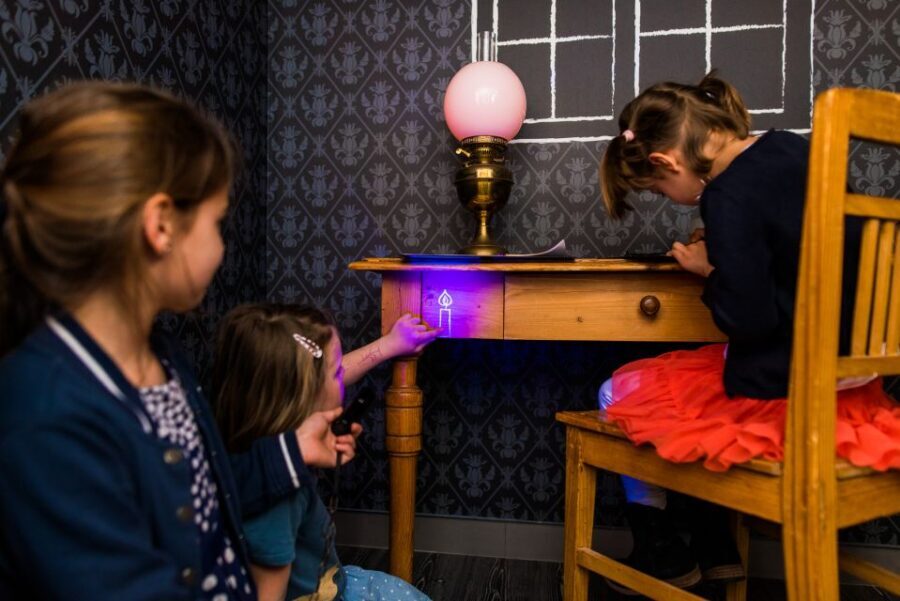
- Torchlight Treasure Hunt: A fun add-on option that changes the pace of your visit.
Philips Museum Entry Ticket: what you’re actually buying
This is an entry ticket to the Philips Museum in Eindhoven, valid for 1 day. The idea is simple: you pick a time window from the availability schedule, then you explore the exhibits, included temporary shows, and the museum’s programmed highlights at your own rhythm.
For about $14 per person, you’re not just paying for a hallway of old gadgets. You’re paying for a structured tech story, built around Philips’ product evolution and its social impact—starting with electric light and moving through radio, television, and the digital age. If you like museums that connect technology to daily life, this one makes it easy.
You also get a lot folded in. Your ticket includes scheduled activities like Mini Lectures and The Lamp, plus temporary exhibitions such as Eyecatchers and PSV, Eendracht maakt macht. There’s also an audio tour available in several languages, and the museum has storage lockers so you don’t have to lug bags around.
You can also read our reviews of more tours and experiences in Eindhoven


Following the Philips product timeline step by step
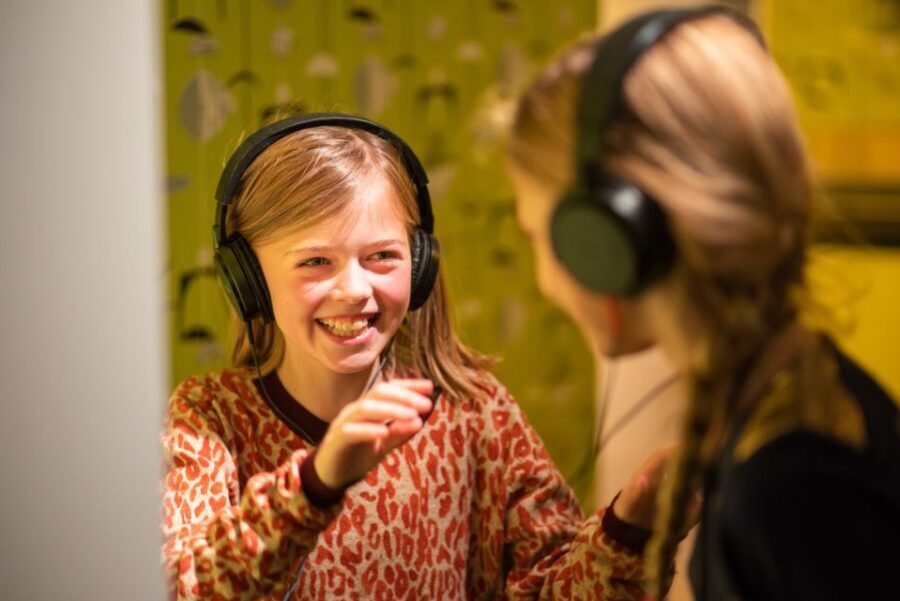
The core of the Philips Museum is a walking story: a timeline that moves through Philips’ inventions and how they changed society. Instead of learning tech in random pieces, you’ll see the progression in a clear order—how new inventions affected people’s routines and expectations.
What I like about this format is that it gives you two ways to enjoy it. First, you can read and look slowly, letting each product era set context for the next. Second, if you prefer speed, you can scan the timeline and then circle back to the parts that catch your curiosity—like electric light, or later consumer tech.
This is also where the museum does something smart: it links devices to real-world outcomes. You’re not only seeing objects; you’re seeing the logic of how Philips kept retooling itself as the world changed. If you’ve ever wondered how one company stays relevant across decades, you’ll get plenty of clues here.
Back to 1891: walking through an 1891 lightbulb factory
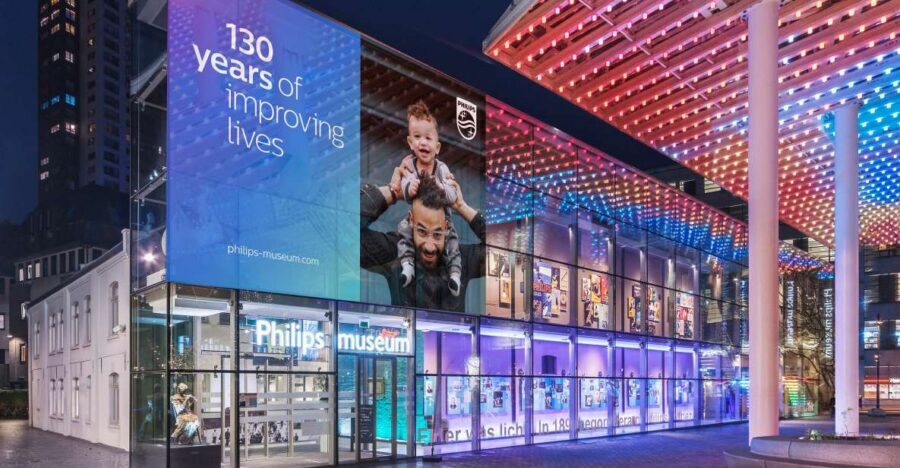
The museum is housed in a factory building tied to the company’s earliest lightbulb production days. You’ll effectively time-travel to 1891, when early lightbulbs were being made.
Even if you’re not a history-of-industry person, the factory setting helps. The space makes the inventions feel less like museum artifacts and more like working processes. It’s easier to imagine the steps involved in manufacturing when the rooms around you were shaped for that work.
In practical terms, this also matters for your visit style. Comfortable shoes are a good idea because you’ll be moving between exhibit areas, and the building’s layout supports circulation around the story. If you like museums with atmosphere, this one has it.
Gerard Philips and the company mindset behind the tech

One of the most interesting parts of the museum is the founder thread—Gerard Philips. The exhibits give you a glimpse into his thoughts and actions, which helps explain why the company kept shifting with the times rather than just repeating what worked before.
That founder-focused angle matters because technology museums can get stuck in gadgets only. Here, you’re nudged to see decisions: how Philips might have weighed new opportunities, how it adapted, and how it built a direction that carried across product categories.
If you’re the type who enjoys understanding how big companies think—not just what they shipped—this section is likely to be a highlight. It also helps you connect emotionally with the story: it’s not just machines; it’s people making bets.
brAInpower AI exhibition: Philips and the future of AI
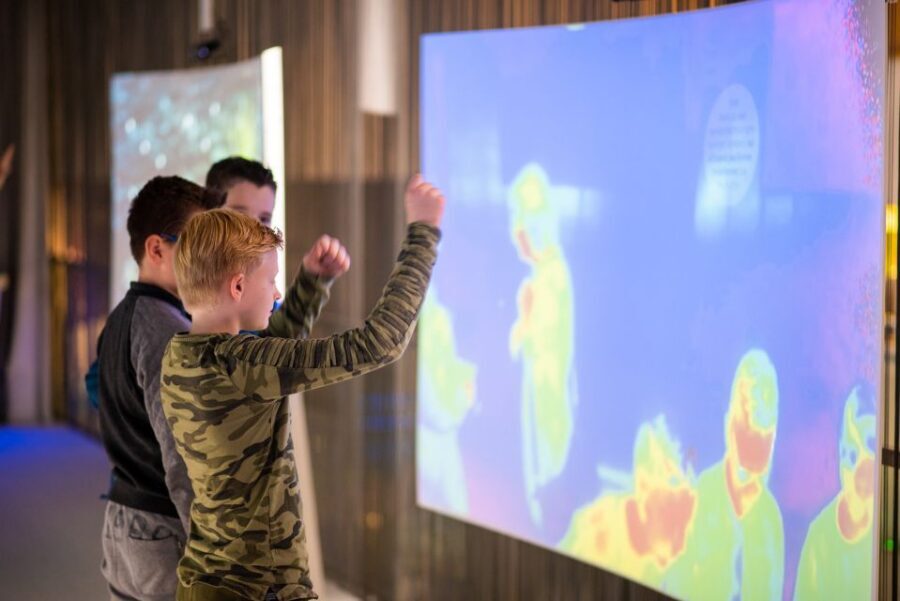
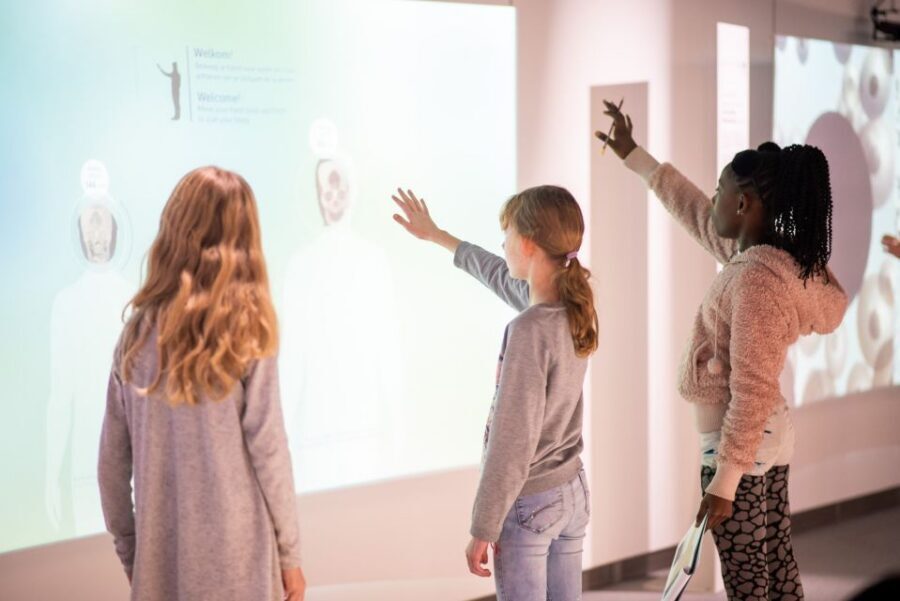
A major feature is the exhibition called brAInpower, which takes on AI as both past trend and future direction. You’ll see how Philips frames AI in the context of its broader technological role—plus how AI connects to the kind of innovation the company has pursued over time.
The best value here is the way the museum makes AI feel less abstract. Rather than leaving you with a generic future poster, it places AI inside Philips’ overall story: how the company reinvented itself from electric light to radio, television, and the digital age—and now into major innovation in healthcare.
I also like that the museum doesn’t pretend AI is only hype. The goal message is human: improving people’s lives. If you care about where technology can actually land in the real world, this section is worth slowing down for.





Mini Lectures and The Lamp: included programmed moments
Your ticket includes scheduled activities, including Mini Lectures and a performance called The Lamp. These are the kinds of museum add-ons that can turn a self-paced visit into something with energy and structure.
Because the details of timing aren’t listed here, the smart move is to check what’s running once you arrive and plan your route around it. If you catch the mini talks, you’ll usually get quicker context and clearer takeaways for what you’re about to see next.
The Lamp performance also sounds like the museum’s playful way of connecting light technology to your experience in the building. Even if you’re not sure what to expect, it’s included, so it’s low-risk. Just don’t assume you can do everything without checking the day’s schedule.
Temporary exhibitions: Eyecatchers and PSV, Eendracht maakt macht
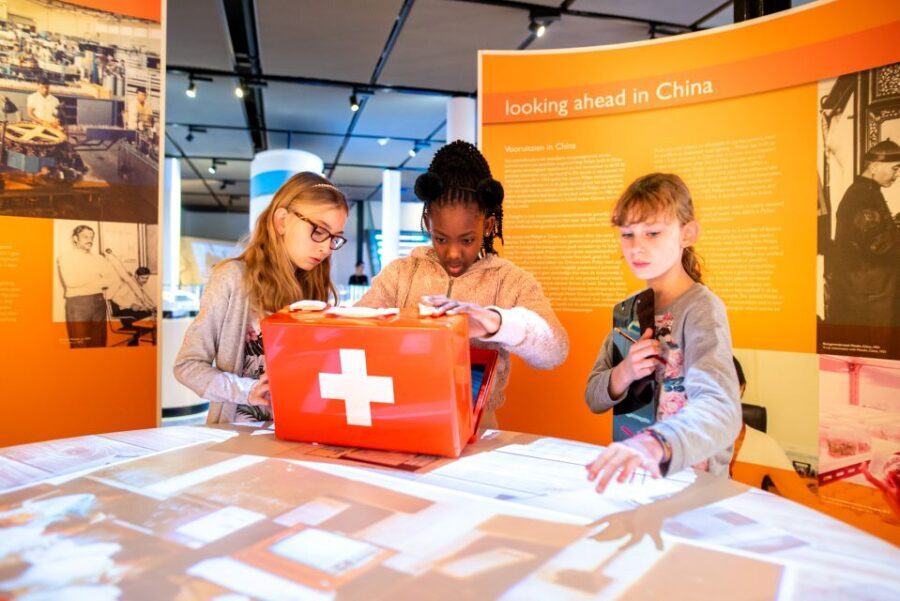
Alongside the permanent story, your entry ticket includes temporary exhibitions: Eyecatchers and PSV, Eendracht maakt macht.
Eyecatchers is the kind of title that hints at attention-grabbers and eye-focused themes. That’s a good match for Philips’ long-running relationship with light and vision tech. Even if a temporary exhibit changes each year, the value is that it keeps the museum from feeling frozen in the past.
The PSV exhibition adds another layer: Eindhoven’s local energy. PSV is a big name in the Netherlands, so this is where the museum connects technology and innovation culture with city identity. If you want at least one section that feels more personal and place-based, this one is likely to do it.
Torchlight Treasure Hunt, lockers, and how to pace yourself
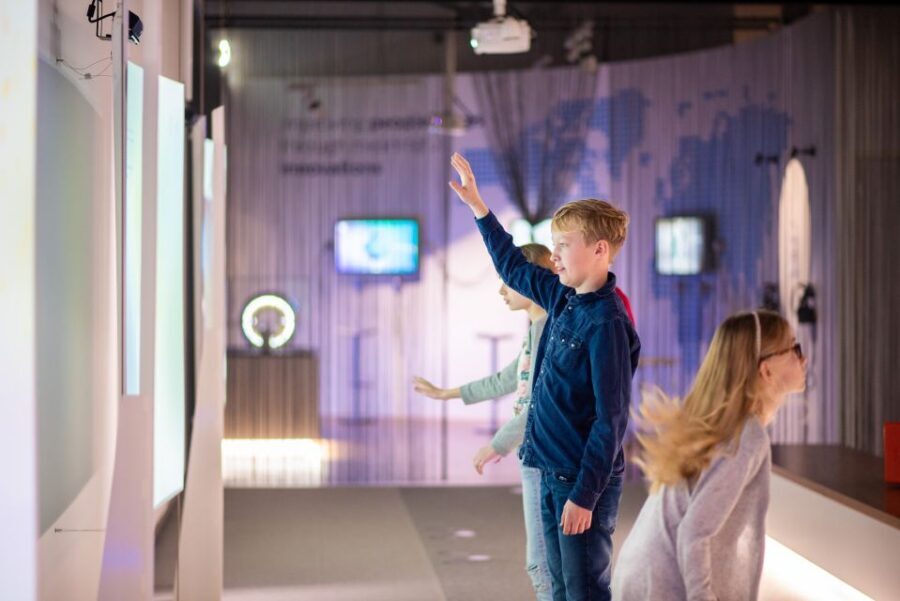
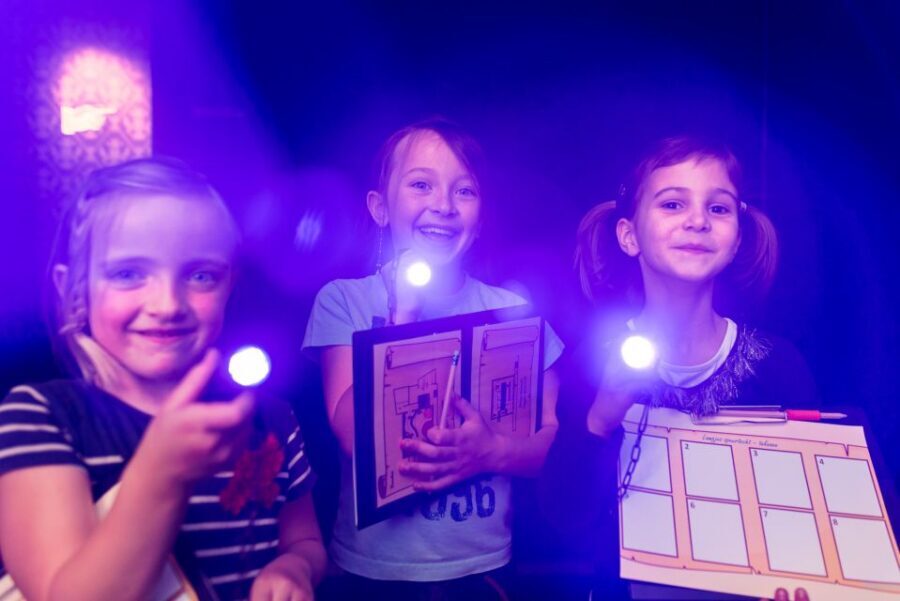
You can also join the Torchlight Treasure Hunt, which adds an interactive twist to the museum experience. This is especially helpful if you’re visiting with kids, or if you just want something different from reading panels and watching screens.
The museum also includes storage lockers, which is genuinely useful in a place like this. You can keep backpacks under control, then move more freely between exhibits and the factory-style spaces.
On pacing: I’d treat the visit like this—start with the timeline to orient yourself, then do the factory and founder sections, then end with the AI exhibit so the future sits in your mind after you’ve seen the past. If you’re short on time, you can reverse it, but the timeline-first approach usually helps everything click.
Price and value: is a $14 ticket a good deal?
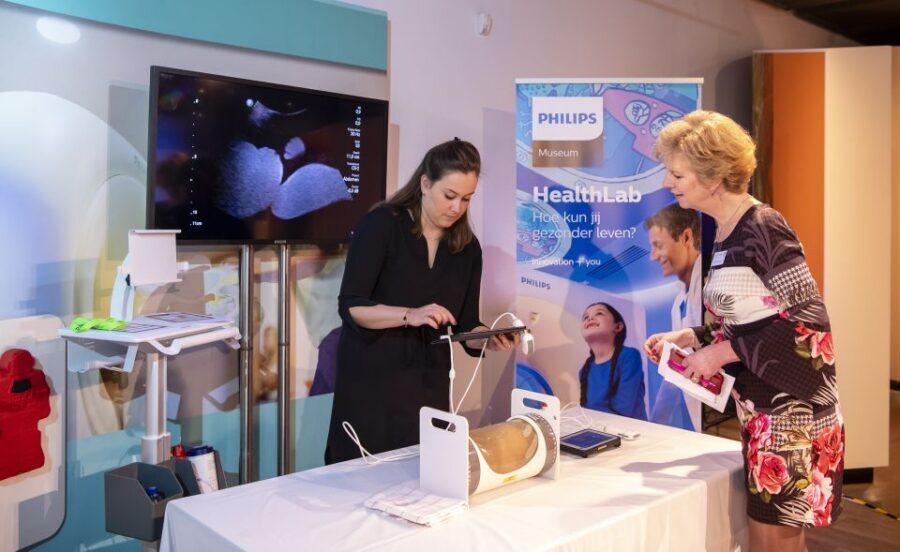
At about $14 per person, this ticket is priced like a mid-range museum entry, and it’s best value if you’ll actually use the included extras. The key is that your ticket isn’t only admission—it includes scheduled Mini Lectures, The Lamp, and temporary exhibits.
If you love tech history, AI, or the story of how inventions change daily life, you’ll get enough material to justify the cost. If you’re the type who only wants one or two highlights, you might feel like you’re paying for more than you use—especially because food and drinks aren’t included, so you’ll likely spend extra on breaks elsewhere.
In other words: this is a good value when you plan to spend real time inside and catch at least one of the scheduled activities or the treasure hunt.
Who this Eindhoven Philips Museum ticket suits best
This ticket fits best if you like museums with real-world connections. If you’re curious about how electricity became normal life, how radio and television shaped culture, and how the digital age led to today’s AI and healthcare innovation, you’ll enjoy the flow.
It’s also a great stop if you want something different from art-heavy museum days. The building is part of the show, and the exhibits are structured around a company narrative that’s easy to follow.
You may enjoy it even more if you:
- Like science and tech but want it explained without feeling overly technical
- Want an Eindhoven activity that ties into local identity (PSV link)
- Prefer an option-rich visit (audio tour, treasure hunt, mini lectures)
Quick practical tips for a smoother visit
A few details can save you stress on the day. Cash isn’t accepted, so have an alternative payment method ready. The museum also offers discounts if you present your museum or student card—worth using if you qualify.
The audio tour is available in Dutch, English, German, French, Turkish, Spanish, and Italian, which is helpful if you want language support beyond the on-site team (the host/greeter is in Dutch and English). There’s also wheelchair accessibility, so you can plan with that in mind.
And plan your food. Food and drinks aren’t included, so treat the museum visit as part of a bigger day in Eindhoven—then grab a meal after you finish.
Should you book this Philips Museum entry ticket?
I’d book it if you want a tech-and-people museum day in Eindhoven, with a setting that feels authentic rather than generic. The factory setting, the Gerard Philips focus, and the brAInpower AI exhibition make it more than just a collection of objects. And because your ticket includes Mini Lectures and The Lamp, it’s usually easier to leave feeling like you got full value.
Skip it or think twice if you’re extremely short on time, only want a single exhibit, or you know you won’t catch any scheduled moments. For most visitors who like learning while they walk, it’s a strong and well-structured choice.
FAQ
What is the price of the Eindhoven Philips Museum entry ticket?
The price is listed as $14 per person.
How long is the ticket valid, and do I choose a time?
The ticket is valid for 1 day. You’ll need to check availability to see starting times.
What’s included with the entry ticket?
Included items are entry to the Philips Museum, scheduled activities such as Mini Lectures and the performance The Lamp, temporary exhibitions Eyecatchers and PSV, Eendracht maakt macht, an audio tour, storage lockers, and the Torchlight Treasure Hunt.
Is a guided tour included?
No. A guided tour is not included.
What languages are available for the audio tour?
The audio tour is available in Dutch, English, German, French, Turkish, Spanish, and Italian.
Is the museum wheelchair accessible?
Yes, the museum is wheelchair accessible.
Can I pay with cash, and is there a discount with a card?
Cash is not accepted. You can present a museum or student card for a discount.