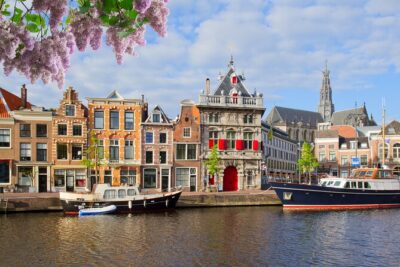
REVIEW · 2-HOUR EXPERIENCES
Delft 2-Hour Walking Tour | Discover The City With A Local
Book on Viator →Bookable on Viator
Delft in two hours? Surprisingly doable. This 2-hour Delft walking tour gives you a quick, guided path through the city’s best-known sights, with stories that connect art, royalty, and everyday Delft life. It’s a small-group walk (max 10), run in English, and it starts right where you can easily orient yourself.
I especially like the way the guide brings Delft to life through specific landmarks—detailed stops around Delft Blue pottery and the kind of royal-history context that makes the city feel more than a postcard. I also like the hands-on pacing: in tight spots and crowded areas, the group stays together, and the guide keeps moving so you don’t lose the thread (guides like Michel, Niels, and Jos have gotten strong marks for engagement and humor).
One watch-out: a few guests flagged that some guides speak too fast or too softly, which can make it harder to catch every detail. If you’re sensitive to audio, aim to stand closer to the front and don’t be shy about asking the guide to slow down.
In This Review
- Key things I’d focus on before you go
- Starting at Hugo Grotius: your 2-hour game plan
- Delft Blue and royal stories: what the guide teaches in the “live” viewing box
- The Crooked John Old Church: a skyline stop with a local nickname
- The Markt square (120m x 50m): where Delft’s everyday life shows up
- House of Bells: the water authority stop that feels very Delft
- English guide, small group, and the reality of hearing details
- Price and value: is $3.57 really enough?
- What you should do before and after the walk
- Who this tour is best for (and who might want a different option)
- Should you book this Delft 2-hour walking tour?
- FAQ
- How long is the Delft walking tour?
- What language is the tour offered in?
- Where does the tour start?
- What time does the tour begin?
- Is there a ticket or admission included?
- How big is the group?
- Are service animals allowed?
- What if I need to cancel?
- What if I’m late?
Key things I’d focus on before you go
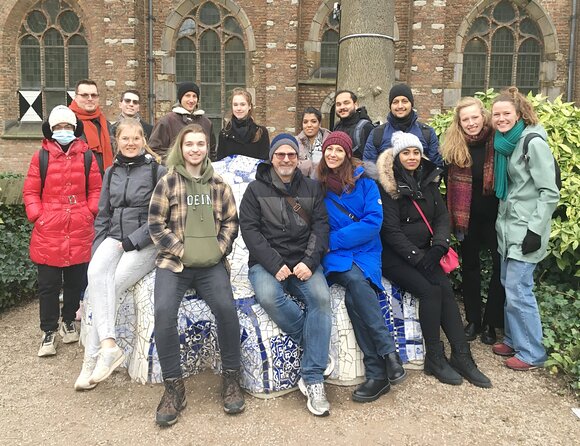
- Small group (10 max) means you’re less likely to get swallowed by the crowd.
- English-guided, 2-hour format is ideal when you want highlights without a whole afternoon commitment.
- Delft Blue pottery viewing is built into the route, so you get context as you look.
- Crooked John Old Church stop gives you a memorable local nickname and a skyline moment.
- Markt square time window lets you see daily life, plus what it feels like during national holidays.
- House of Bells / water authority building adds a practical Delft theme: water management, not just monuments.
Starting at Hugo Grotius: your 2-hour game plan
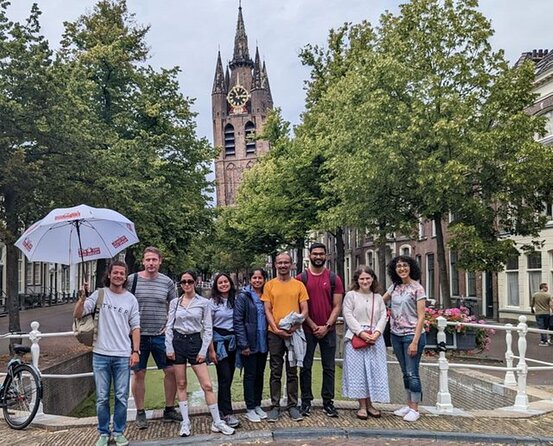
The walk begins at the Hugo Grotius Statue GW, at the Markt, in Delft (address listed as 2611 GW Delft, Netherlands). The start time is 1:30 pm, and the tour ends back at the same meeting point—so it’s easy to plan your next meal or museum visit afterward.
This is built for a tight schedule. You’re not meant to sprint through Delft; you’re meant to get your bearings fast and leave with a short list of what’s worth your time later. Also, with a maximum of 10 travelers, you’ll usually have an easier time hearing the guide than on big bus tours.
One practical note: if you’re late, you can’t just catch up. The tour doesn’t wait, so try to arrive a bit early—especially if you’re using public transport and want a calm walk to the meeting point.
Delft Blue and royal stories: what the guide teaches in the “live” viewing box
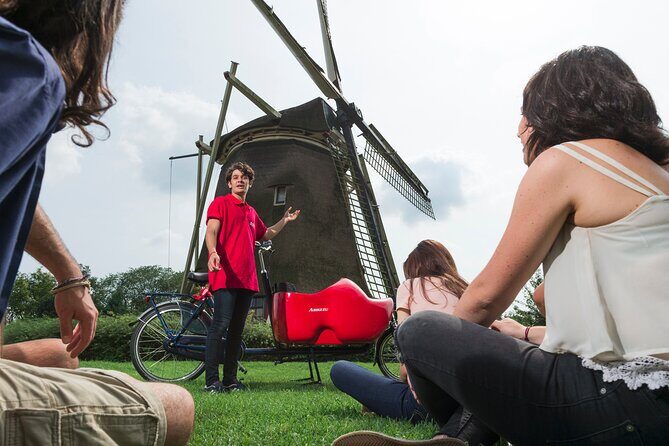
The first major stop centers on Delft and its world-famous blue-and-white pottery tradition—along with Delft’s connections to royal history and cultural references like Girl with the Pearl Earring. The highlight here is a live viewing box where an expert guide talks while you’re looking, so you’re not just hearing facts in the abstract.
Why that matters: Delft Blue isn’t only decorative. It’s tied to craft, trade, and a city identity that shows up everywhere. When the guide explains what you’re seeing as you watch, you’ll understand why people treat Delft pottery as more than a souvenir.
You’ll also get the kind of guidance that’s actually useful on the ground. The tour is designed to help you with what to do next—what places are worth your time after the walk, and where tourist traps tend to be. (That’s the real value of a guided “highlights first” tour: it saves you decision fatigue later.)
And yes, admission is noted as free for the activity ticket portion—so your paid price isn’t mostly paying for a separate museum entry.
The Crooked John Old Church: a skyline stop with a local nickname
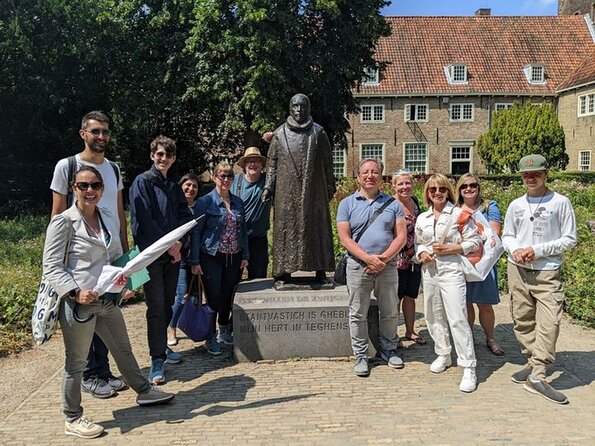
Next up is the Old Church, known locally as Crooked John. It dates from the 13th century and rises high above the square where the walk begins, so even if you’re not a “church person,” you’ll feel like you’re climbing into the city’s visual history.
This stop works because it gives you a sense of scale. Delft’s center is compact, but the Old Church makes the skyline feel tall. The nickname is part of the charm: it’s local, memorable, and it gives you something to hold onto as you wander later.
What you should do here: look up first, then around. Notice how the church relates to the square and the town’s layout. A lot of visitors only take a photo; you’ll get more out of it if you pay attention to the way it anchors the area.
The Markt square (120m x 50m): where Delft’s everyday life shows up
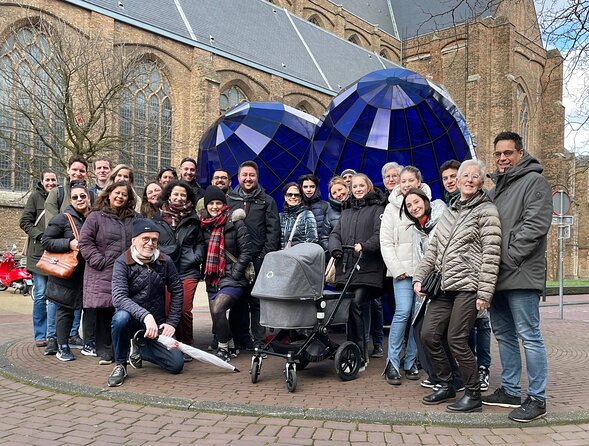
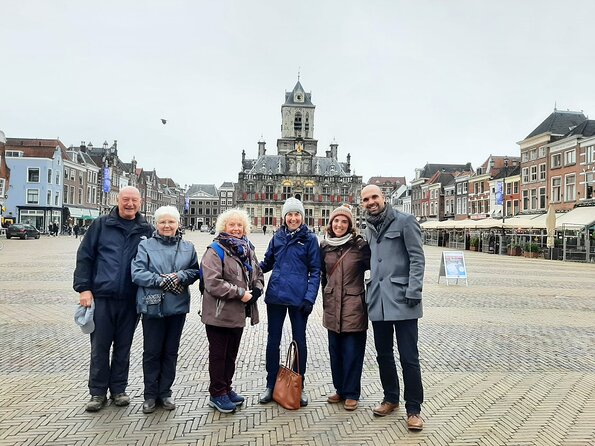
The tour then spends time at the Markt, described as 120 meters long and 50 meters wide. It’s one of the largest city squares in the Netherlands, and it sits right at the heart of Delft’s daily rhythm.
Two big landmarks frame the square: the Old Church and the Town Hall, one on each side. So even in a short stop, you’re getting architectural context—how Delft centers civic power and community life around shared space.
This is also where you’ll notice Delft’s “small city, big routine” vibe. On most days, the square fills with café terraces and lots of small activities. On national holidays, it really changes. Locals gather for live music performances, market stalls, and food trucks—so the Markt becomes a stage, not just a plaza.
If you’re planning your own itinerary after the tour, this is the square you’ll come back to. It’s a great meeting point, a good place to people-watch, and a convenient base when you decide what to do next.
House of Bells: the water authority stop that feels very Delft
The final landmark is a building that started as a residential property, and now serves as the main office for the regional water authority. Historically, it was referred to as the House of Bells, based on bell-shaped flowers that grew around the porch.
This stop is a nice change of pace. Delft isn’t only about monuments and museum time. It’s also about water—how the region lives with it, manages it, and plans for it. Seeing that theme in the city’s built environment makes Delft feel practical, not just pretty.
Even if you don’t know the Dutch water-management story yet, this kind of stop helps you ask the right question while you’re walking: how did people here shape daily life around water? Then, when you visit other Delft sites on your own, you’ll notice connections faster.
English guide, small group, and the reality of hearing details
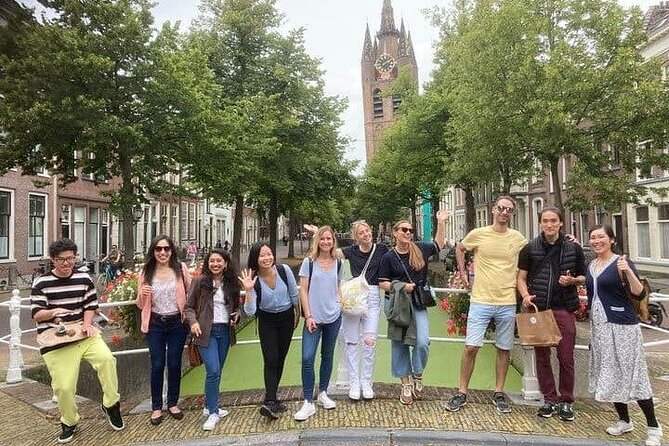
The tour is offered in English, and in a group of up to 10, you generally get a better chance to follow along than on larger walks. Several guides have stood out for strong engagement—people have praised the way guides handle the crowd, keep the pace, and answer questions.
Still, the audio issue is the main variable. Some people described guides speaking too quickly or too softly, making it hard to catch everything—especially if you’re toward the back. If you’ve got any hearing sensitivity, it’s smart to position yourself near the guide at the start and during the more crowded segments.
Also, keep your expectations aligned with the format: it’s about highlights and interpretation in about two hours, not a slow museum lecture. If you want every minute detail, plan on doing a follow-up stop on your own after the tour.
Price and value: is $3.57 really enough?
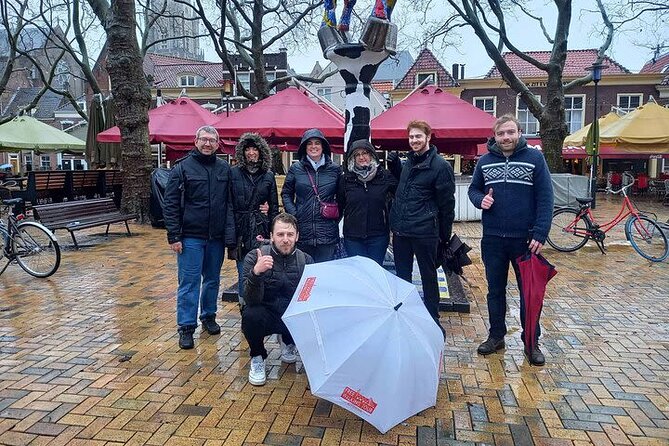
The price shown is $3.57 per person, and the tour runs around 2 hours. On paper, that looks almost unreal for a guided walk—but the value is partly in what you get: a compact route to major landmarks plus context that helps you plan the rest of your day.
Key value points:
- Admission is free for the activity ticket portion, so you’re not paying extra for separate entry fees.
- Small-group size keeps it more conversational and easier to track the route.
- The guide provides direction for after the tour—what to do next and what to avoid—so you can save time (and money) later.
Where value can feel weaker is if you personally need very slow narration to absorb details. The tour moves at walking pace, and if speech tempo is an issue for you, you might feel like you’re missing pieces. In that case, you can still enjoy the landmarks, but you may not get the full storytelling payoff.
What you should do before and after the walk
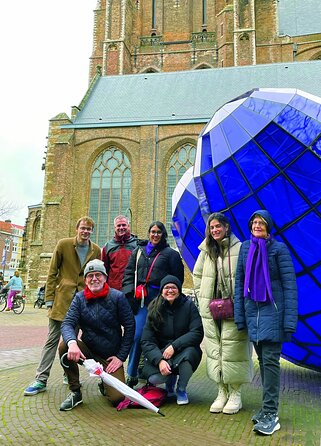
Before you go, I’d do one small thing: check your plan for the rest of the day around the Markt. Since you start and end there, you can cleanly connect this tour with other Delft stops—especially if you want to return to cafés or pick a museum without backtracking.
After the tour, use what the guide gives you. The whole point of a highlights walk is to build a shortlist. If the guide tells you certain spots are worth your time (and certain tourist areas are less worth it), take that list seriously. You’ll move faster on your own because you’re not starting from zero.
Also, give yourself a little time to wander the square again. The Markt isn’t just a background; it’s where Delft’s daily scene happens, and it’s the best place to relax after walking.
Who this tour is best for (and who might want a different option)
This is a strong match for you if:
- You want a quick orientation to Delft’s center.
- You like guided context that connects art (Delft Blue), landmarks (Old Church, Town Hall), and city themes (water management).
- You’re okay with a two-hour walking pace and short stops rather than long museum-style time.
You might want to choose carefully if:
- You’re sensitive to audio and you struggle when speech is fast or quiet. Since some guides have been reported as speaking too quickly/softly, being near the front matters.
- You arrive late. There’s no catching up if you miss the start.
- You’re expecting a deep, slow lecture format. This is designed for highlights and momentum.
Should you book this Delft 2-hour walking tour?
Yes, I’d book it if you want a smart way to see Delft’s center quickly, especially with a small group and the included focus on Delft Blue and key landmarks like Crooked John and the Markt. The value at $3.57, plus free admission for the ticket portion, is hard to beat for a guided, curated walk.
Be sure to plan for hearing and pacing. If you like to absorb details slowly, arrive early and position yourself well. If you’re content with highlights plus direction for the rest of your day, this tour is a practical way to get a real sense of Delft without burning half your vacation.
FAQ
How long is the Delft walking tour?
The tour lasts about 2 hours.
What language is the tour offered in?
The tour is offered in English.
Where does the tour start?
It starts at the Hugo Grotius Statue GW, Markt, 2611 GW Delft, Netherlands.
What time does the tour begin?
The start time listed is 1:30 pm.
Is there a ticket or admission included?
The activity includes an admission ticket free as part of the experience.
How big is the group?
The tour has a maximum of 10 travelers.
Are service animals allowed?
Yes, service animals are allowed.
What if I need to cancel?
Free cancellation is available. You can cancel up to 24 hours in advance for a full refund.
What if I’m late?
If you’re late, you may not be able to catch up with the group. You’ll need to book a new time slot.