REVIEW · AMSTERDAM
Amsterdam: National Holocaust Museum Entry Ticket
Book on GetYourGuide →Operated by Jewish Cultural Quarter Amsterdam · Bookable on GetYourGuide
This museum hits hard fast. What makes it different is that it tells the Dutch Holocaust story inside the Hervormde Kweekschool, the former school where Jewish children were gathered for deportation. The experience also leans on modern storytelling tools, including interactive holograms where you can ask questions and get answers, which helps when the material feels heavy.
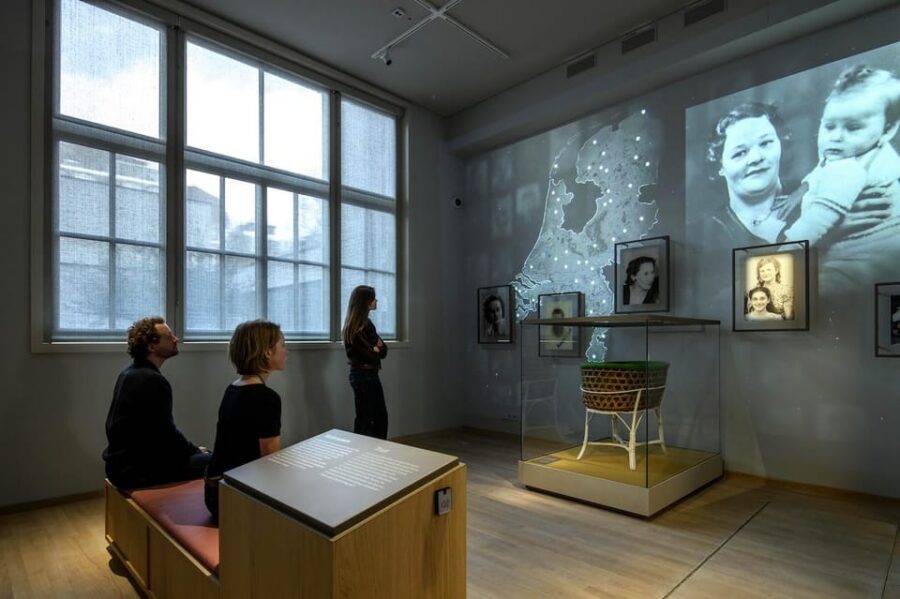
I particularly like how the exhibits put recognizable faces on victims, so the history doesn’t stay abstract. I also like the museum’s clear structure, with audio/electronic support that guides you through what happened before and during the occupation. One possible drawback: the information density can feel overwhelming, so you’ll want to plan extra time and take breaks instead of trying to speed-run it.
In This Review
- Key highlights to look for
- Inside the Hervormde Kweekschool building
- How the museum frames Jewish life before and after occupation
- The deportation story: children, daycare, and Henriëtte Pimentel
- Hollandsche Schouwburg memorial: the story continues outside the museum
- Pacing matters: how to handle a lot of text and reflective glass
- Price and value: is $24 worth it?
- Who should book this ticket (and who might want a different plan)
- Practical logistics you’ll care about
- Should you book the Amsterdam National Holocaust Museum ticket?
- FAQ
- What’s included with the Amsterdam National Holocaust Museum entry ticket?
- Where is the meeting point?
- How long is the ticket valid?
- Can I cancel for a refund?
- Can I take photos inside the museum?
- Is this experience wheelchair accessible?
- How long should I plan to spend at the museum?
- Is there audio or electronic support for exhibits?
- Is the museum interactive?
- What language should I expect for the guides?
Key highlights to look for
- Hervormde Kweekschool setting: You’re learning in the real building tied to the deportation of children.
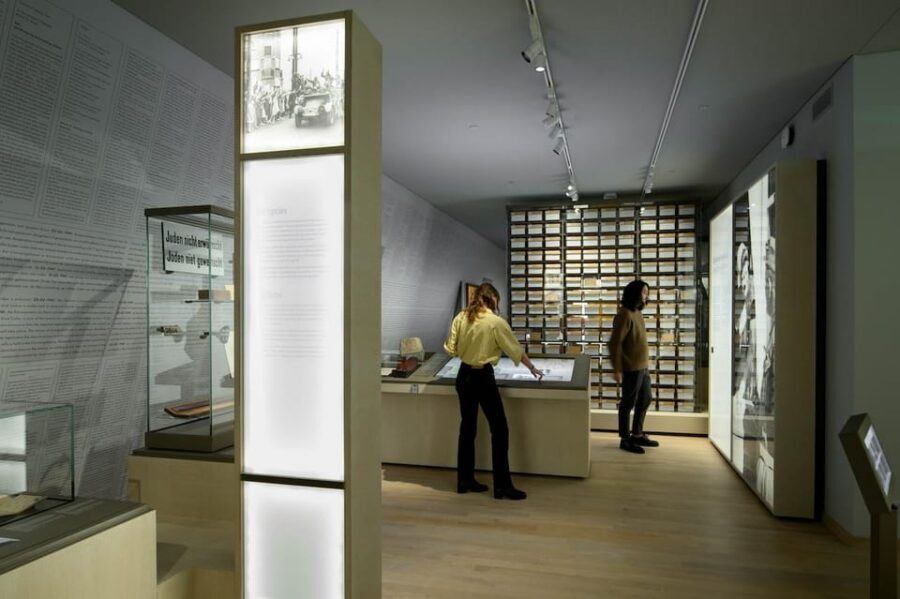
- Interactive holograms: Question-and-answer style tech helps explain difficult points without rushing.
- Dutch daily life before the war: The museum shows how Jews and non-Jews lived side by side with shared rights.
- A specific escape story: Director Henriëtte Pimentel helped hundreds escape, including connected work through the Kweekschool.
- Emotional realism in artifacts: Suitcases, portraits, and personal items are presented plainly—no softening.
- Add-on memorial visit included: Your ticket also covers the Hollandsche Schouwburg National Holocaust Memorial.
Inside the Hervormde Kweekschool building
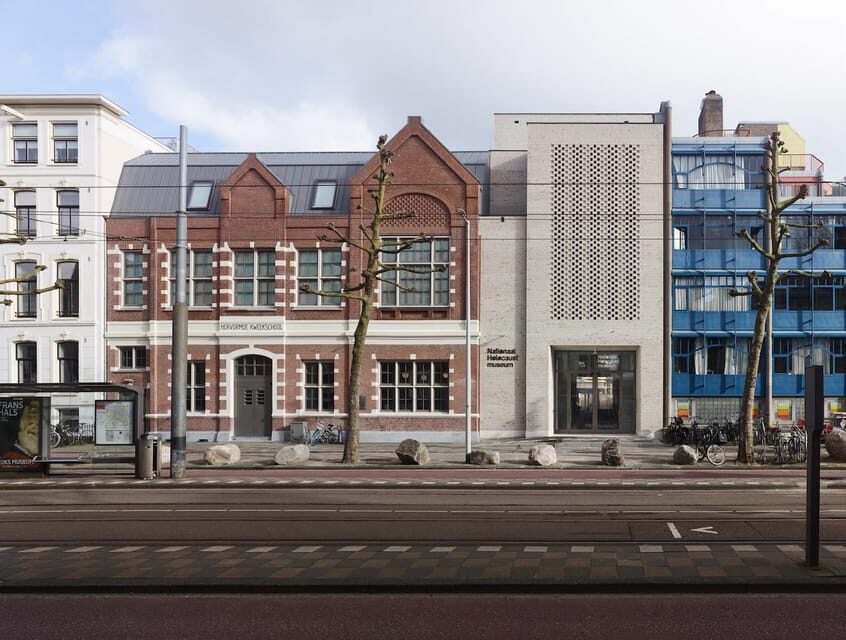
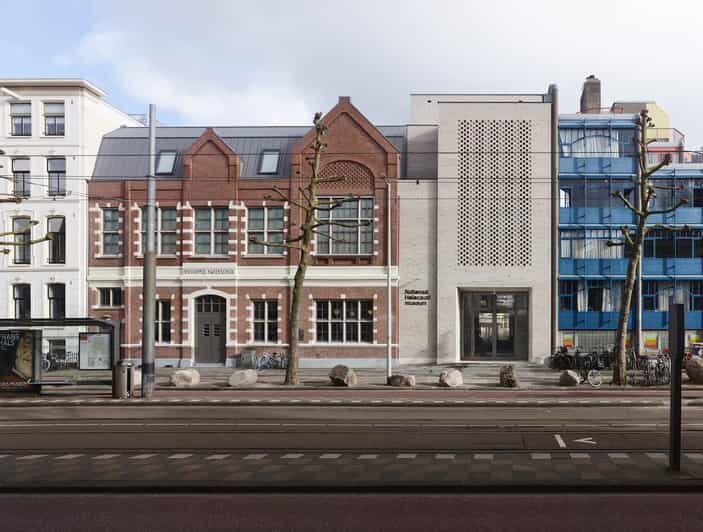
The National Holocaust Museum sits in a former teacher-training school called the Hervormde Kweekschool. That matters because you’re not just reading about a place—you’re walking through the same walls where history was processed. The setting makes the story feel grounded and local, tied to Dutch institutions and Dutch lives.
In the museum, you learn how the adjacent daycare played a grim role too: it became a gathering point for Jewish children before deportations. That physical link is easy to miss in other Holocaust museums, where the focus might move quickly to documents far from the local setting. Here, the building keeps pulling you back to the reality that these were real systems, not distant events.
The museum also handles the subject with a straightforward tone. There’s no sugarcoating, and you’ll see that the Nazis’ machinery was built step by step, with bureaucratic cruelty that grew into mass murder. That approach can feel restrained in a way that’s almost more unsettling, because it avoids melodrama and just shows how methodical it became.
You can also read our reviews of more tours and experiences in Amsterdam



How the museum frames Jewish life before and after occupation
A big strength of this museum is that it doesn’t start and stop at atrocity. You get time to understand Jewish life in the Netherlands before World War II—how people lived, worked, and shared public life with non-Jews under the same legal rights. It’s a helpful anchor, because it reminds you that the victims weren’t just symbols of suffering; they were neighbors and community members first.
You also learn about liberation and what it meant for Dutch Jews after years of terror. That might sound obvious, but many histories flatten everything into a single tragic line. Here, the narrative stretches into the lived experience of survival and the reality that liberation did not erase what was lost.
A key statistic gives the Holocaust in the Dutch context real weight: about three-quarters of the Jewish population in the Netherlands were killed, and the occupation tied that fate to the wider European Holocaust, known as the Holocaust or Shoah. The museum’s effect comes from linking global genocide to Dutch memory—showing how the Netherlands has processed this past and built public remembrance around it.
And yes, it can be emotionally draining. The exhibits are meant to be, and the overall tone is somber. If you’re expecting a light “museum afternoon,” you’ll be disappointed. If you want a place that tells the truth plainly, you’ll likely feel grateful for that honesty.
The deportation story: children, daycare, and Henriëtte Pimentel
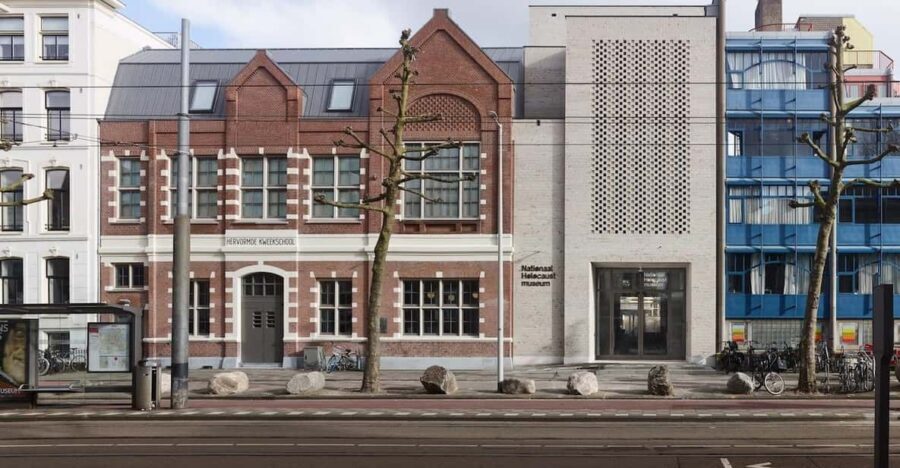
One of the museum’s most important threads is the fate of children. You learn how the Nazis used the adjacent daycare as a gathering and deportation point. That detail is particularly hard to sit with, because it turns something ordinary—childcare—into a mechanism of harm.
Then the museum moves into the question you always want answered in history like this: what resistance looked like in practice. Director Henriëtte Pimentel is a central figure here. The museum explains that she helped hundreds of Jewish children escape, including through the Kweekschool connection. That focus on concrete action helps balance the story, even though nothing can balance the tragedy itself.
It also matters that the exhibits present victims as individuals with recognizable faces. When you see portraits and personal items displayed with that kind of clarity, it pushes back against the idea that genocide is just numbers. You’re forced to keep remembering these were particular people with particular lives.
Some visitors find the museum emotionally intense, but many also say it’s deeply important history that should never be forgotten. If that phrase feels heavy, that’s because it is. Still, this is one of those places where the value is precisely in taking the past seriously.
Hollandsche Schouwburg memorial: the story continues outside the museum
Your ticket includes entry to the Hollandsche Schouwburg National Holocaust Memorial. This is a smart add-on because it extends the narrative from exhibit rooms into a memorial space tied to the period’s deportation story.
If you do only the main museum, you might walk away with lots of information and still feel like something is missing from the remembrance layer. Adding the memorial gives you that extra step: a shift from artifacts and explanations into a more direct public act of memory.
The two-part format also helps you pace yourself. The museum can feel like a full mental workout, especially if you’re reading labels closely and listening to audio/electronic sections. The memorial can act like a slower closing chapter—still serious, but often easier to absorb after you’ve learned the background.
Pacing matters: how to handle a lot of text and reflective glass
Plan for this visit to take time. People repeatedly mention spending hours in the museum and recommending a half-day commitment because there’s so much to see and hear. That lines up with how the exhibits are built: it’s not a quick loop. You’ll likely want to stop, read, and process in small chunks.
A practical tip: some parts of the collections are behind glass with strong reflections, which can make objects harder to see from certain angles. If you hit that, don’t fight the glass. Just step sideways, tilt your head slightly, or move a few steps. It’s annoying, but you can usually get the exhibit view back.
Another pacing issue: a few exhibits may have limited viewing capacity, meaning you might queue or only see things in small groups at a time. That can break your flow. If you want smoother pacing, don’t only chase the biggest artifacts first. Let yourself roam, and return later to the sections where you feel you’ll naturally spend more time.
You may also notice that electronic/audio content can switch languages. One visitor reported that some accounts in the electronic guide switched to Dutch instead of staying in English. If you’re sensitive to that kind of change, give yourself a bit of buffer time so you’re not stuck distracted mid-sentence.
Finally, treat closing time as real. One review mentioned staff coming to inform them it was closing earlier than expected. Don’t leave your hardest rooms for the last minutes. You’ll get more out of the visit if you build a buffer on purpose.
You can also read our reviews of more museum experiences in Amsterdam





Price and value: is $24 worth it?
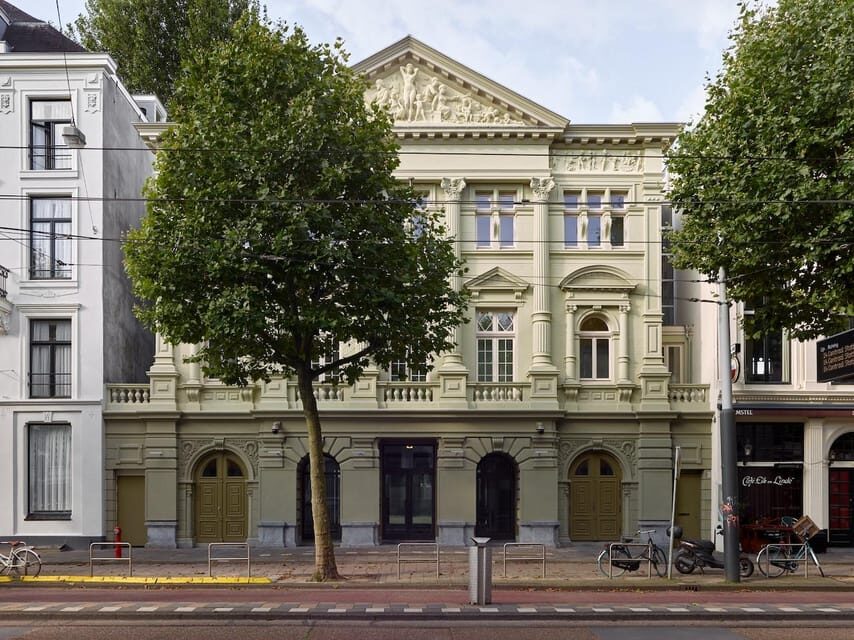
At $24 per person, this ticket sits in the “serious museum cost” zone. The value comes from what you actually get: entry to the National Holocaust Museum and the Hollandsche Schouwburg memorial included in the same purchase.
You’re also getting a setting that’s not interchangeable. The museum’s location inside the Hervormde Kweekschool makes the story more specific to Dutch history, not just a generic Holocaust overview. You can learn similar topics elsewhere, but the building connection is a real reason this ticket can feel worth it even if you’re price-conscious.
Then there’s the storytelling layer. Reviews highlight strong audio/electronic support and interactive holograms, plus a clear layout that helps you take your time. That combination matters because Holocaust history can overwhelm you if it’s presented in a chaotic way. Here, the museum tries to keep you oriented, even when the subject matter is brutal.
If you’re traveling on a tight schedule, the biggest value risk isn’t the price—it’s your time. If you only have one short hour, you won’t see enough to feel satisfied. If you can give it a half-day, the $24 feels more like a fair trade.
Who should book this ticket (and who might want a different plan)
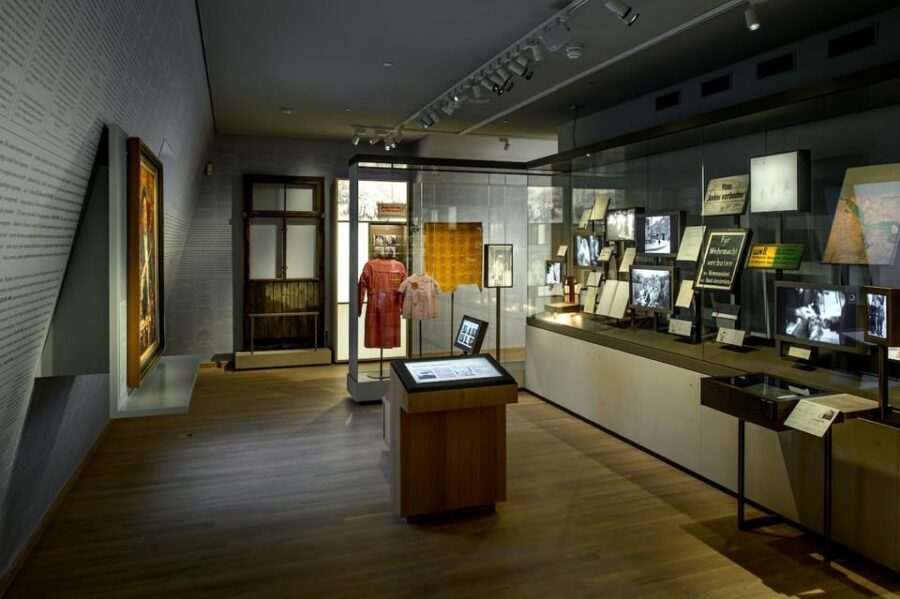
This is a strong choice if you want the Holocaust story focused on the Netherlands—how Dutch institutions, communities, and memory culture handled what happened. It’s also a good fit if you like clear exhibits with faces, artifacts, and guided support.
It’s especially suitable for people who appreciate different formats working together: text labels for detail, audio/electronic guidance for pacing, and interactive holograms for questions. If you tend to learn better with mixed media, you’ll likely like the structure here.
If you hate heavy emotional topics or you’re short on time, this might not be your best afternoon. The museum is intentionally serious, and the amount of information can feel like a lot even for experienced museum-goers. In that case, you could consider visiting on a day when you don’t need to rush to the next stop.
Also note: photography is allowed, but you should be respectful. That’s usually a good sign the museum expects you to engage, not treat it like a photo studio.
Practical logistics you’ll care about
Your meeting point is the National Holocaustmuseum. Because this is ticket entry, you should plan to read signage on-site and let the exhibits set your pace.
The ticket is valid for 7 days from first activation, which is useful if your Amsterdam schedule shifts. That flexibility can help if you’re timing around weather or other museum priorities.
The experience is wheelchair accessible, which makes a real difference in a museum context where old buildings and tight layouts can be a gamble elsewhere.
If you’re deciding between booking now and later, you can reserve and pay later. That’s a nice option if you want control while you lock in the rest of your trip.
Should you book the Amsterdam National Holocaust Museum ticket?
Yes—if you can give it the time it deserves. This isn’t the kind of experience you should treat like a quick checklist stop. With a half-day mindset, you’ll be able to take in the building setting, the Dutch-focused story, the specific tragedy of children, and the memorial add-on.
Book it if you value clear storytelling and personal, face-forward exhibits, and if you’re ready for emotional weight. Skip it or adjust your plan if you’re only in Amsterdam for a tight day and you can’t slow down—this museum performs best when you let it.
If your goal is to understand the Holocaust as it unfolded in the Netherlands, in the real places tied to that history, this ticket is a strong choice.
FAQ
What’s included with the Amsterdam National Holocaust Museum entry ticket?
The ticket includes entry to the National Holocaust Museum and also entry to the Hollandsche Schouwburg National Holocaust Memorial.
Where is the meeting point?
The meeting point is the National Holocaustmuseum.
How long is the ticket valid?
The ticket is valid for 7 days from the first time you activate it.
Can I cancel for a refund?
Yes. There is free cancellation up to 24 hours in advance for a full refund.
Can I take photos inside the museum?
Photography is allowed, but you should be respectful.
Is this experience wheelchair accessible?
Yes, it is listed as wheelchair accessible.
How long should I plan to spend at the museum?
Many visitors recommend dedicating about half a day because there’s a lot to see and hear, and some people spend hours reading and listening.
Is there audio or electronic support for exhibits?
Yes. Reviews mention an audio guide and an electronic guide that provides informative explanations throughout.
Is the museum interactive?
There are interactive holograms mentioned in reviews, where you can ask questions and get answers.
What language should I expect for the guides?
English is indicated by one review mentioning a switch to Dutch instead of staying in English. If you prefer a single language the whole time, build in a little patience for possible changes.