REVIEW · AMSTERDAM
Amsterdam: Canal House Museum ‘Willet-Holthuysen’ Ticket
Book on GetYourGuide →Operated by Museum Willet-Holthuysen · Bookable on GetYourGuide
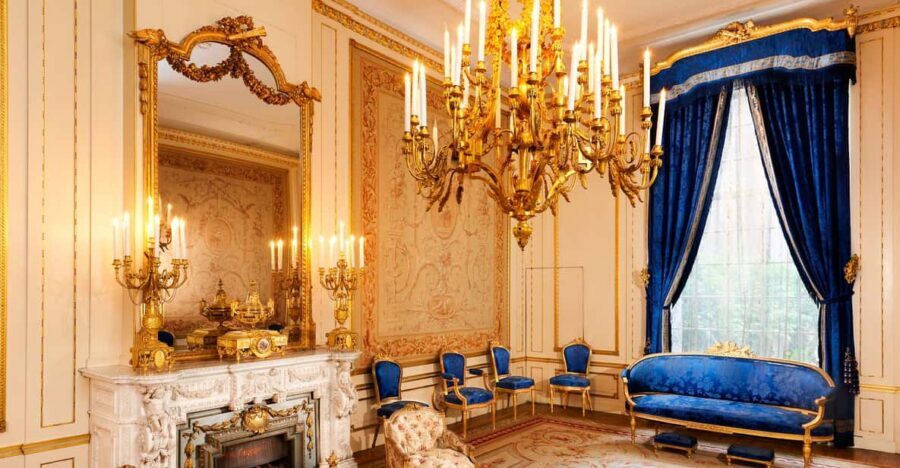
Luxury, then and now, fits in one canal house. This visit to the Willet-Holthuysen Museum lets you explore a 19th-century wealthy life inside a double canal house, with an audio guide that helps you follow the rooms without rushing. You also get the backstory: Mrs. Willet left the house and Abraham’s art collection to Amsterdam in 1895.
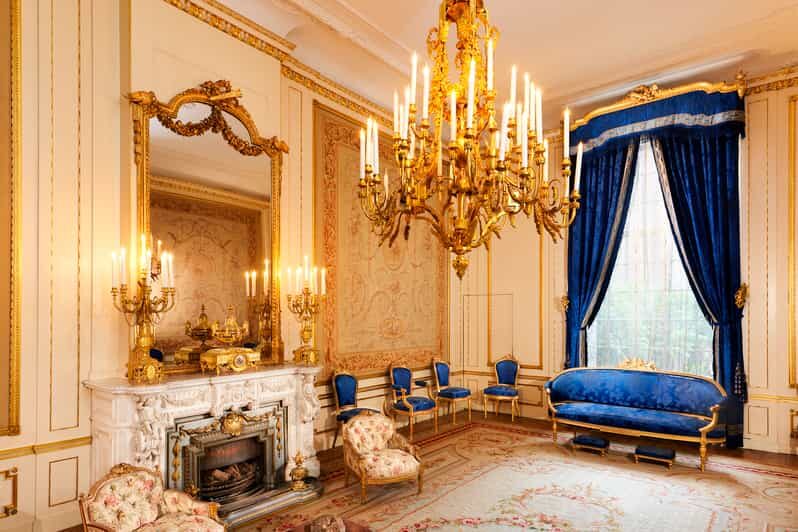
What I like most is how the Louis XVI-style ballroom sets the mood fast, even before you understand all the objects. The other standout is the French-style garden, kept like a green pause right in the middle of Amsterdam.
One thing to consider: if a temporary art area is playing audio, it can be loud enough to make it harder to hear your guide in that spot.
In This Review
- Key highlights
- Walking Up to Herengracht 605: Canal-House Amsterdam on Day One
- What Your $18 Ticket Includes and How the Audio Guide Helps
- Louis XVI Ballroom and the 1st-Floor Start: The Room That Sets the Tone
- Dining Room and the Salons of the Lord and Lady
- Abraham’s Collection in the Rooms: Furniture, Silver, Ceramics, Paintings, Photos
- The French-Style Garden: A Green Oasis in Amsterdam
- Basement Kitchen and Pantry: The Servant Side of the Household
- When Temporary Audio Gets Loud: How to Protect Your Audio Guide Experience
- Value Check: Is $18 Worth It for This Canal-House Museum?
- Should You Book Museum Willet-Holthuysen?
- FAQ
- Where is the meeting point?
- How long is the experience?
- How much does the ticket cost?
- What’s included with the ticket?
- What languages are available on the audio guide?
- Is smoking allowed inside?
- Is the museum suitable for wheelchair users?
- What parts of the house can you explore?
- Are meals or drinks included?
- Is free cancellation available?
Key highlights
- Enter a 17th-century double canal house that was turned into a museum after Mrs. Willet’s 1895 gift
- Louis XVI ballroom on the 1st floor gives you instant atmosphere and scale
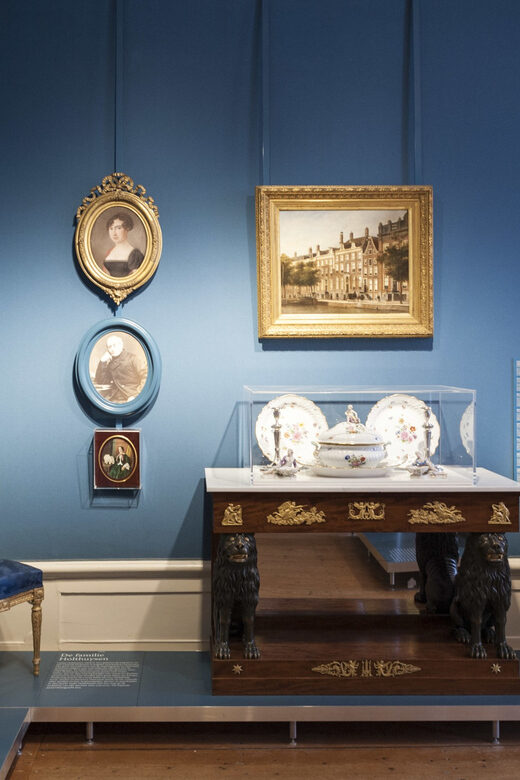
- Paintings, ornate furniture, and silver are shown where they belong, not in storage-mode
- A French-style garden with historic trees and plants gives you a rare quiet pocket
- Basement kitchen and pantry show the servant side of the household
Walking Up to Herengracht 605: Canal-House Amsterdam on Day One
The museum meeting point is Herengracht 605, in one of Amsterdam’s classic canal stretches. You don’t need a big plan for the day, because this is a self-paced interior experience that works well as either a morning visit or an afternoon break.
This is the kind of place where you notice details quickly. The canal-house shell is impressive outside, but the real wow happens once you’re inside and you realize how much space a wealthy family had in the 1800s. The museum is set up so you can start on the 1st floor and follow a path through the main showrooms, then unwind into the garden.
You should also expect a house museum rhythm. Some rooms are quieter and about objects and room design. Others feel more like a staged walk-through of how the household worked day to day.
You can also read our reviews of more tours and experiences in Amsterdam



What Your $18 Ticket Includes and How the Audio Guide Helps
The ticket price is $18 per person, and for that you get entrance plus an audio guide. No meals are included, so plan a snack or a proper meal nearby if you need one. The upside is that the museum experience is focused on the house itself, not on a restaurant stop.
The audio guide is a major part of the value. It’s offered in Spanish, English, Dutch, French, German, Italian, and Russian, so you can pick a language that actually keeps you engaged. You’re also not locked into one forced route, because you can choose which stops to spend more time on.
You’ll also find practical comforts on site. People specifically note locker storage and clean toilets, which matters more than you’d think in a long museum day. If you like knowing where your stuff goes, this is a big plus.
Finally, this museum is not suitable for wheelchair users, so it’s worth planning around that if mobility is a concern. Also, no smoking is allowed.
Louis XVI Ballroom and the 1st-Floor Start: The Room That Sets the Tone
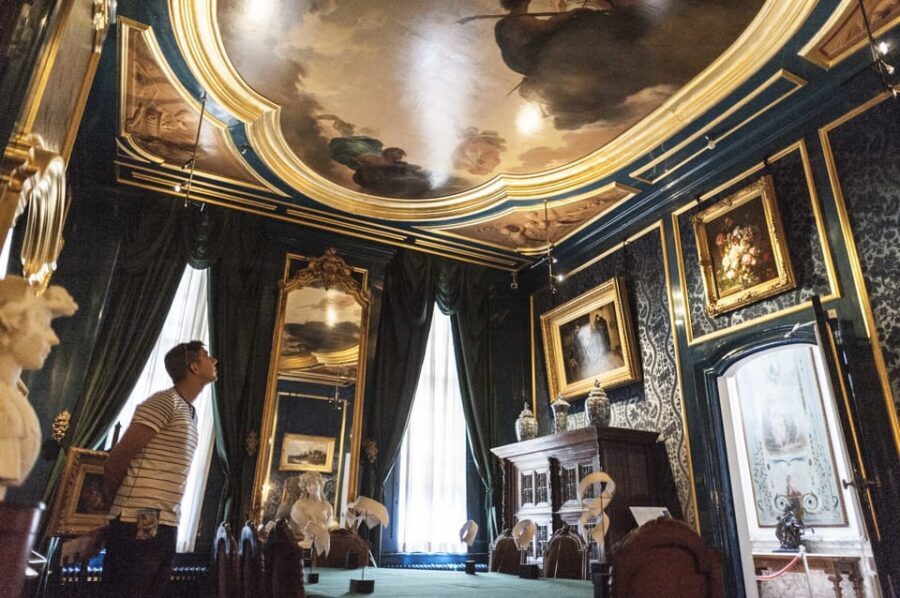
The visit starts on the 1st floor, and the first big visual hit is the grand ballroom in Louis XVI style. This is the place where the museum’s style and the Willets’ social role line up in your head.
When you stand in a ballroom like this, you can see why 19th-century wealthy entertaining mattered. It’s not just about pretty rooms. It’s about scale, symmetry, and how a household signaled status every time guests came through the door.
The room works even if you’re not an art expert. You can focus on the design choices and the way the space is set up for gatherings. Then, once you leave the ballroom, the other rooms start to feel like chapters in the same household story.
Dining Room and the Salons of the Lord and Lady
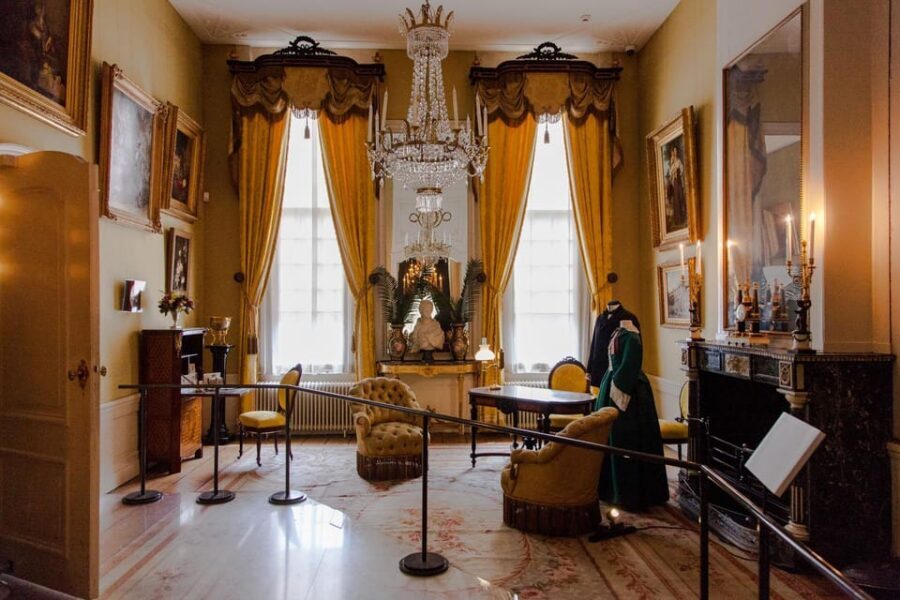
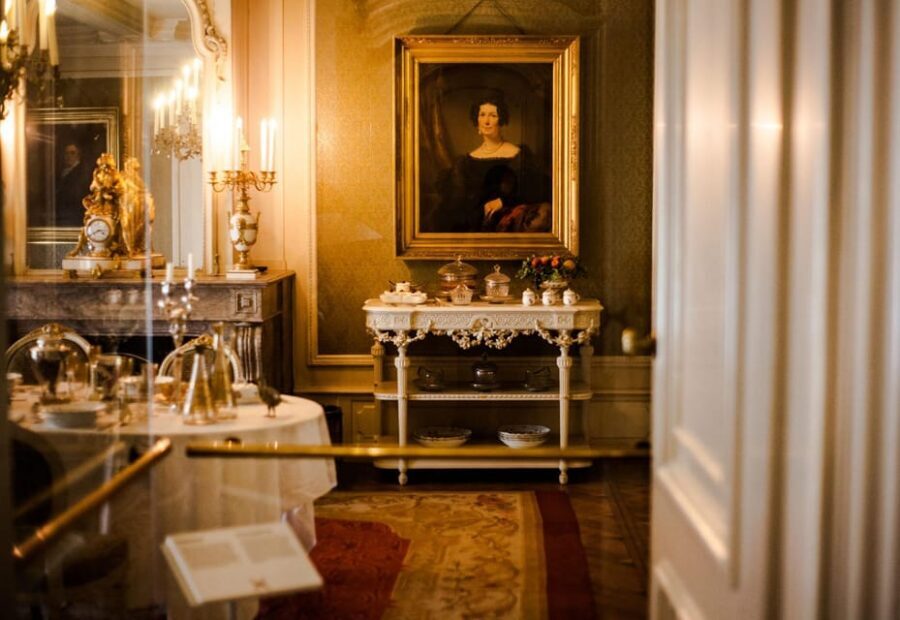
After the ballroom, you move toward the dining room and the salons connected to the lord and lady of the house. These spaces help you understand how taste and daily living overlapped in a wealthy home.
This is where the museum’s format pays off. You’re not just reading labels. You’re walking through rooms that connect to the collection—especially furniture and decorative objects. In a house like this, objects aren’t floating in a white-box gallery. They feel tied to the room’s purpose.
One of the useful things about the audio guide here is that it keeps the household hierarchy clear. You start to notice how certain spaces are designed for public-facing life (hosting) while others are built for private routines.
Abraham’s Collection in the Rooms: Furniture, Silver, Ceramics, Paintings, Photos
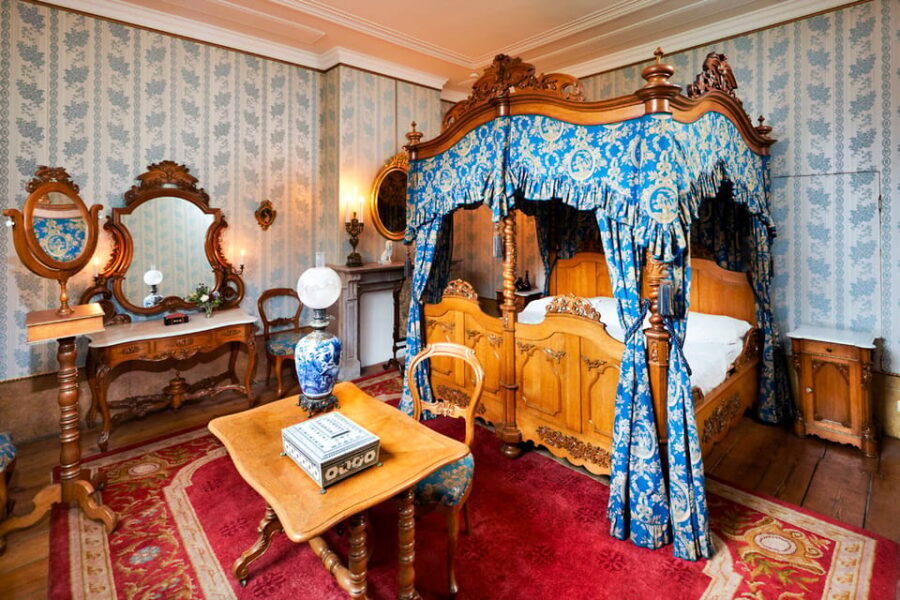
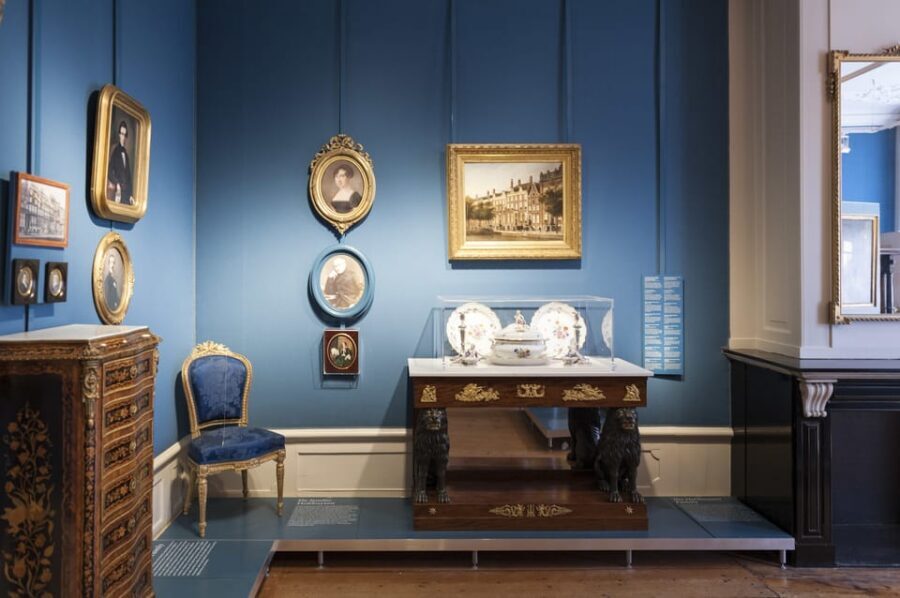
The collection connected to Abraham is shown across multiple categories: antique furniture, silver, ceramics, sculptures, paintings, and photographs. What makes this special is the sense that you’re seeing items in the setting they were meant for.
It’s one thing to see ornate things behind glass. It’s another to see them where a family member would have lived with them—where you can understand scale, placement, and how a room frames the object. That’s why the museum feels more human than many standard collections.
You’ll likely spend time with the Willets’ paintings and the more ornamental furniture. The museum layout encourages you to look slowly enough that objects start to connect to each other. A silver piece doesn’t feel random when you realize it sits next to the room’s larger decorative language.
If you care about photography and personal records, the inclusion of photographs adds texture. It helps you move beyond the fantasy of wealth and into how the household actually presented itself.
You can also read our reviews of more museum experiences in Amsterdam






The French-Style Garden: A Green Oasis in Amsterdam
One of the most praised parts of the visit is the garden, laid out in an 18th-century French style. After all that indoor wealth, the garden feels like a reset button—space to breathe, pause, and watch time change across trees and paths.
People who love this museum tend to mention how beautifully manicured the garden is. The garden also comes with context: you get the sense that this was not just landscaping. It was part of how a wealthy family enjoyed everyday calm.
The museum notes that the garden includes historic trees and plants, which makes the experience feel more grounded than a purely decorative courtyard. You’re seeing a real plant legacy, not just a recreated style.
If you’re visiting on a day when Amsterdam feels crowded, the garden can become the most peaceful part of your itinerary. It’s a good place to lower your pace and let your attention rest.
Basement Kitchen and Pantry: The Servant Side of the Household
The story doesn’t stop at luxury rooms. The museum takes you down to the kitchen and pantry in the basement, and that’s where you get a clearer picture of daily life.
This part is a helpful contrast. In the main rooms, wealth is visible in the finishes and the display of objects. In the basement spaces, you learn that the household had a working system behind the scenes.
The museum uses these areas to clue you into the routines of the servants. You won’t just get atmosphere—you get an implied workflow: food preparation, storage needs, and the practical logic that supported the elegant rooms upstairs.
If you care about social history, this basement section is worth paying attention to. It’s the part that makes the household feel complete, not staged.
When Temporary Audio Gets Loud: How to Protect Your Audio Guide Experience

Most of the time, the audio guide experience works smoothly. Reviews highlight that you can hear it clearly and move at your pace, and the tour has info points that help you decide where to focus.
Still, there’s a specific issue to watch for: temporary art audio can be loud enough to interfere with hearing your guide nearby. That kind of mismatch is distracting because you’re trying to listen to one thing while the room plays another.
My practical advice is simple: if you notice audio overlap, step back or move a little away from the temporary installation area, then resume your guide at a spot where your headphones sound clean. You’ll get the benefit of the house narrative without fighting the noise.
The main tour rooms tend to feel more coherent. So even if a temporary installation pulls attention, you can treat it like a detour and then come back to the core canal-house story.
Value Check: Is $18 Worth It for This Canal-House Museum?

At $18, this ticket is priced like a focused museum visit rather than a full-day attraction with extra add-ons. What justifies the cost is that you get entrance plus a multi-language audio guide and access to a whole lived-in environment: ballroom, salons, garden, and basement work spaces.
You’re also getting more than “decor.” The museum’s strength is how it connects rooms to objects—so the time you spend doesn’t feel like wandering past unrelated exhibits. The collection categories are wide enough to please art-and-design types, and the house format helps you make sense of everything.
One more quiet value point: practical on-site comforts like locker storage and clean toilets help you stay comfortable for the length of your visit. When you don’t have to manage your bag or your day constantly, you actually enjoy the museum more.
The only real downside value-wise is the temporary audio issue. But even then, it’s a localized problem you can work around with small repositioning.
Should You Book Museum Willet-Holthuysen?
If you like canal houses but want more than a photo stop, this is a strong pick. You’ll get a 19th-century wealthy home experience framed by Mrs. Willet’s 1895 gift to Amsterdam, with the added payoff of the Louis XVI ballroom and the garden’s French-style calm. The audio guide makes the visit easier to follow, and the house sections from upstairs entertaining to basement work give you a fuller picture.
If you’re hoping for heavy accessibility features, note that this museum is not suitable for wheelchair users. And if you’re sensitive to sound, be mindful that temporary installations may create audio overlap near your guide.
If your goal is an authentic-feeling interior experience in the heart of Amsterdam, book it and plan to take your time.
FAQ
Where is the meeting point?
The meeting point is Herengracht 605.
How long is the experience?
It’s listed as 1 day.
How much does the ticket cost?
The price is $18 per person.
What’s included with the ticket?
The ticket includes entrance and an audio guide.
What languages are available on the audio guide?
The audio guide is available in Spanish, English, Dutch, French, German, Italian, and Russian.
Is smoking allowed inside?
No, smoking is not allowed.
Is the museum suitable for wheelchair users?
It is not suitable for wheelchair users.
What parts of the house can you explore?
You can explore the double canal house, including the ballroom, dining room, salons, garden, and the basement kitchen and pantry.
Are meals or drinks included?
No. Meals and drinks are not included.
Is free cancellation available?
Yes. You can cancel up to 24 hours in advance for a full refund.