REVIEW · AMSTERDAM
Amsterdam: ARTIS-Micropia Microbe Museum Entry Ticket
Book on GetYourGuide →Operated by ARTIS · Bookable on GetYourGuide
Microbes are everywhere, and Micropia makes that real. This is the world’s only microbe museum, in the middle of Amsterdam, where living microbes and microscopes turn the invisible into something you can actually see. I especially love the hands-on scanning experience and the way you build your visit by collecting microbe stamps as you go. One possible drawback: at $21, it can feel a bit pricey if you want a quick, low-effort museum stop.
Plan for a solid block of time. The museum is open daily from 10:00 to 17:00, and most people end up lingering over interactive stations like microscopes, visual effects, and growing mold displays. If you’re going with kids, the experience is a great fit from about age 8+, though children 0–12 enter free. The other consideration is very practical: some visitors have noted that the toilets weren’t the cleanest, so you might want to plan accordingly.
In This Review
- Key Things I’d Prioritize at Micropia
- Micropia’s Micro World in One Stop
- Getting to ARTIS and Timing Your Visit
- Your First Big Moment: Scanning Yourself and Collecting Stamps
- The Laboratorium Area and the Daily Lab Talks
- Interactive Stations That Make Microbes Feel Real
- What You’ll Learn About Digestion, Food, and Balance
- Spring Break: The Micro Mission Workshop Window
- How Long to Plan: A 1-Day Museum That Can Stretch
- Combine It with ARTIS Zoo or the ARTIS-Groote Museum
- Price and Value: Is $21 Worth It?
- Who Should Book Micropia?
- A Quick Practical Checklist Before You Go
- Should You Book This Ticket?
- FAQ
- FAQ
- Where is ARTIS-Micropia located?
- How long does the Micropia visit take?
- What is the price of admission?
- What are the opening hours?
- Is there free admission for children?
- What age is Micropia recommended for?
- What is Micro Mission during spring break?
- What does the ticket include?
- Can I visit the zoo or the Groote Museum with this ticket?
Key Things I’d Prioritize at Micropia
- Scan yourself to find microbes on and inside you
- Collect stamps throughout the museum to guide your route
- Daily lab talks in front of the Laboratorium
- Interactive displays that explain how microbes support food, health, and nature
- Spring-break Micro Mission workshops for young explorers (limited daily window)
Micropia’s Micro World in One Stop
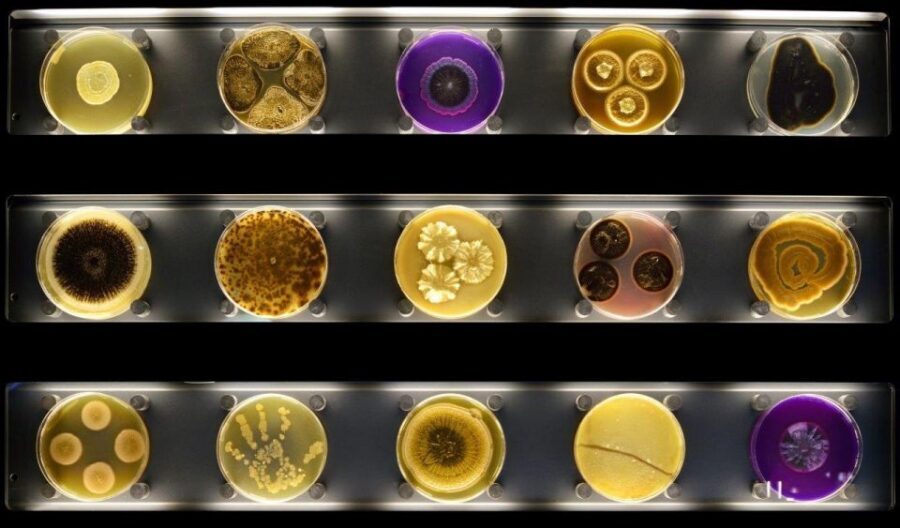
If you’ve ever wondered what’s living on your skin or floating in the air, Micropia turns that question into a museum you can participate in. The central idea is simple: microbes are essential to everyday life, yet you can’t see them with the naked eye. Here, you don’t just read about them—you get tools, visuals, and stories that make them understandable.
I like that the museum doesn’t treat microbes like a scary science fair topic. It frames microbes as helpful players in digestion, balance in nature, and even why food tastes good. That helps the whole experience feel relevant, not just technical.
You can also read our reviews of more tours and experiences in Amsterdam


Getting to ARTIS and Timing Your Visit
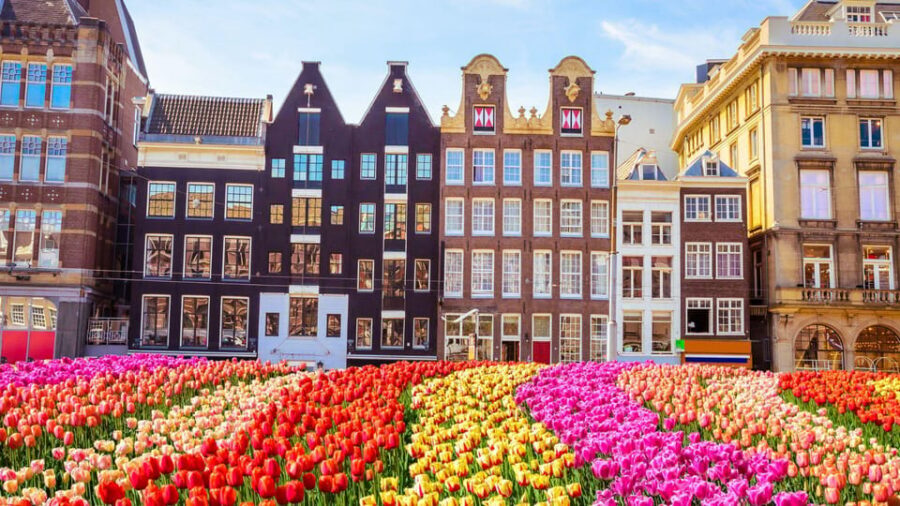
Micropia sits at Plantage Kerklaan 38–40, in the ARTIS area, and it’s about a 10-minute walk from the city center. That’s a big deal in Amsterdam, because it means you can pair this with a walk through the neighborhood rather than treating it like a separate day-trip.
You’ll also benefit from the fact that the museum operates on a clear schedule: it’s open daily 10:00–17:00. If you can, aim to start earlier in the day so you’re not rushing through interactive elements.
One more timing detail to plan around: the museum has special hours on major holidays (for example, December 24–26 at 9:00–17:00, and December 31 at 9:00–16:00). If your trip falls near those dates, check the opening times so you don’t arrive expecting normal hours.
Your First Big Moment: Scanning Yourself and Collecting Stamps
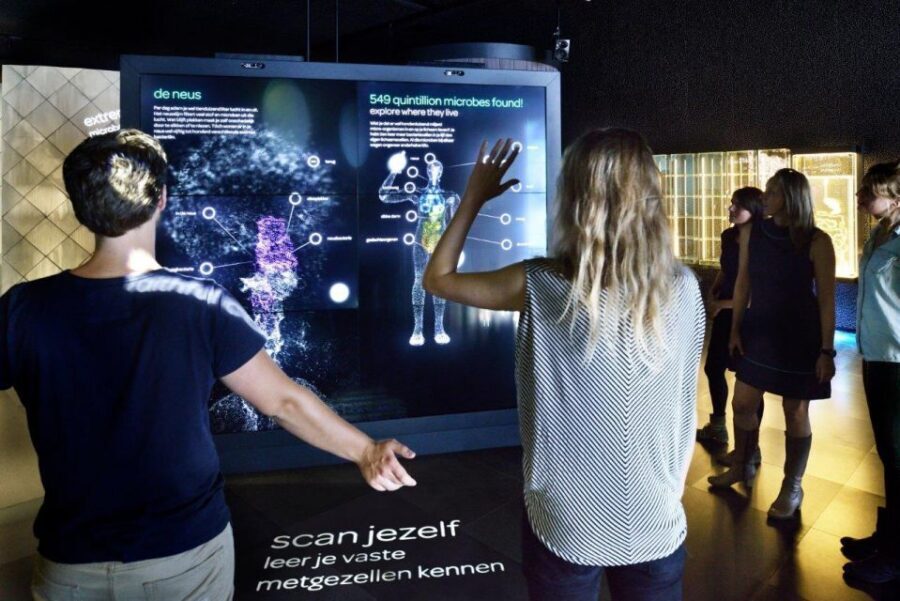
The museum’s biggest hook is the moment you engage with the microbes on you. You scan yourself and uncover what’s living on and inside your body. It’s a hands-on way to connect biology to your real life, and it tends to grab both kids and adults fast.
Then comes the clever pacing tool: you collect microbe stamps throughout the museum. This turns a self-guided visit into something like a quest. Even if you don’t care about microbiology, the stamp system gives you a clear reason to move from room to room and look carefully at each station.
Practical note: if you want photos or close-up reading time, build in a little patience around popular interactive spots. The museum is very “participation-based,” and those activities naturally create small bottlenecks.
The Laboratorium Area and the Daily Lab Talks
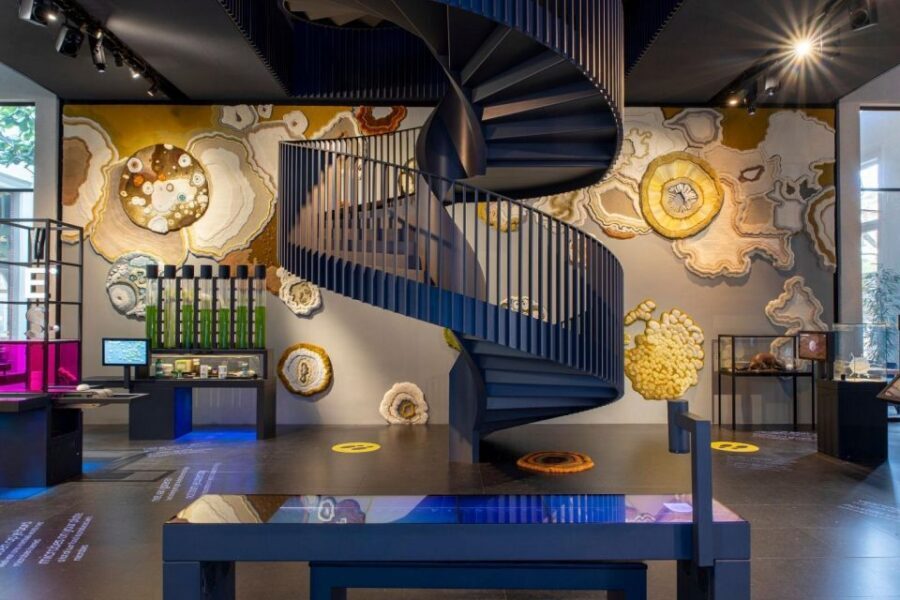
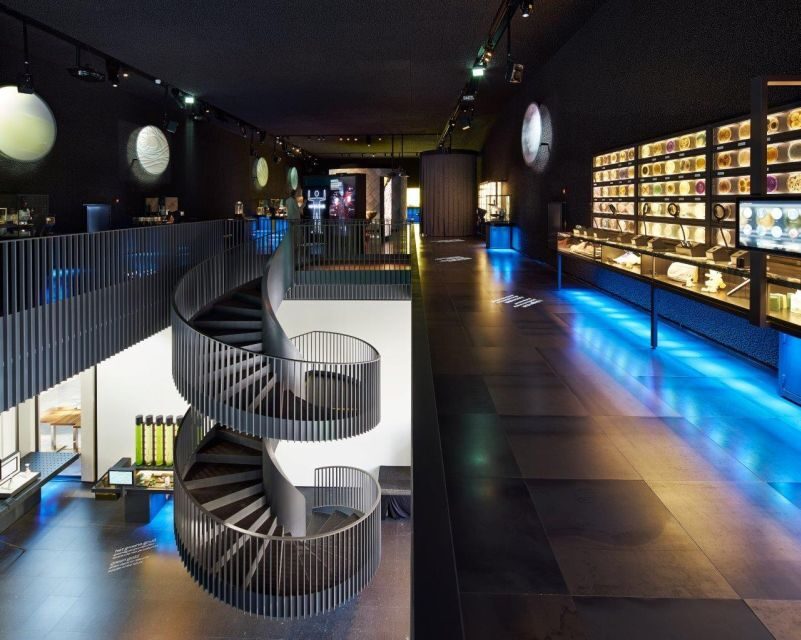
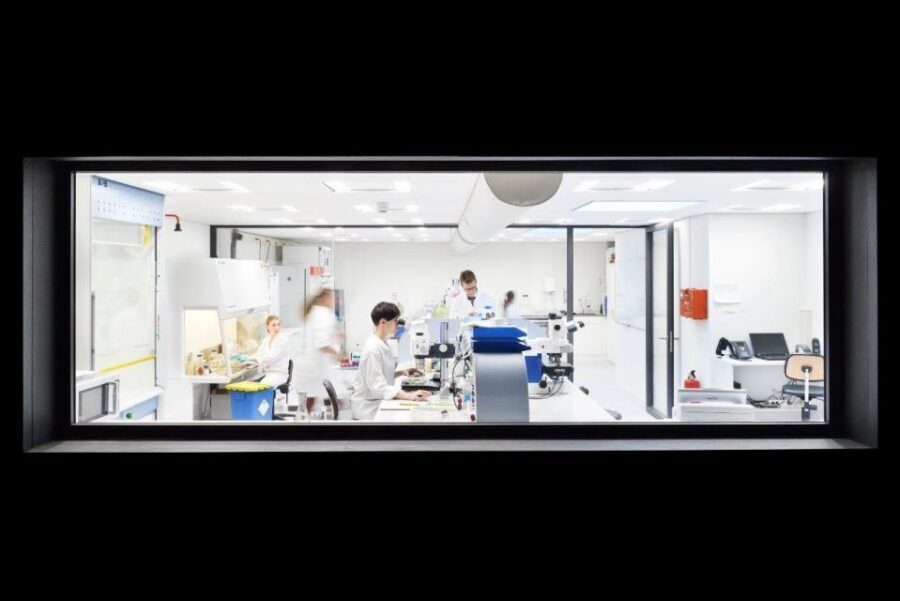
Micropia has a visible laboratory zone, and you can learn from the day’s lab talks in front of the Laboratorium. Daily talks add structure to the museum experience, and they’re useful when you want more than text panels—especially if you like direct explanations.
This is also where the museum feels like science happening, not just science displayed. When a lab talk is running, you can often get a better sense of how microbes are studied and why certain displays matter.
If you’re traveling with mixed ages, lab talks are a handy compromise. They tend to keep adults interested while still feeling accessible enough for kids.
Interactive Stations That Make Microbes Feel Real
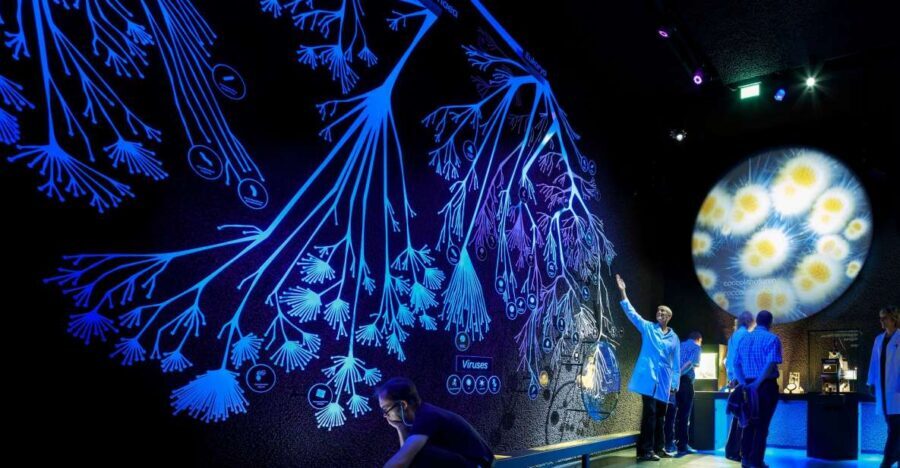
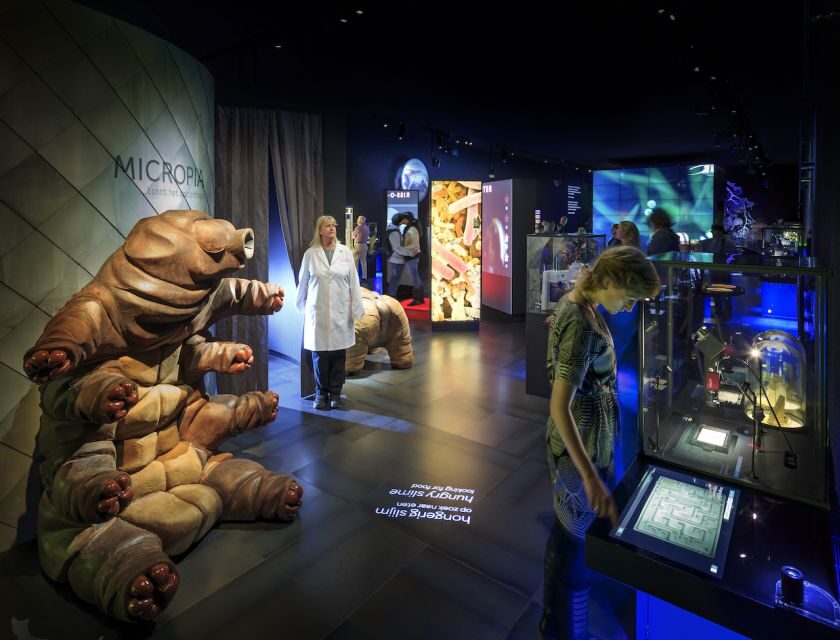
Micropia uses microscopes, interactive displays, and storytelling from lab technicians to bring the invisible world to life. The key is that each station answers a different question: where microbes are found, what they do, and how they connect to the wider ecosystem.
Here are some of the types of stops you can look forward to, based on what people consistently highlight:
- Microscopes and close-up viewing: Expect stations designed to show microbes at scales you can’t see normally. This is where the museum’s “world full of life” idea becomes tangible.
- Growing mold displays: Seeing molds grow on plates gives you a clear visual timeline—microbes aren’t just theoretical; they’re active and multiplying.
- Sculptures of bacteria and viruses: These can be strangely beautiful, and they help you recognize shapes and forms you’d otherwise never encounter.
- Ant-focused exhibits: One display that stands out in the reviews is an ant farm element, which helps connect microbes to living systems rather than isolating them as lab-only creatures.
You don’t need a science degree to enjoy these. The displays are built for curiosity, and the museum’s explanations aim to connect “tiny life” to the big stuff: food, health, and nature’s balance.
You can also read our reviews of more museum experiences in Amsterdam




What You’ll Learn About Digestion, Food, and Balance
The museum’s message is that microbes aren’t just passengers. They help digest food, influence how food tastes, and play roles in maintaining balance in nature. When you learn these ideas in a hands-on environment, it sticks more than a standard museum lecture ever could.
A fun twist: the museum’s theme can also make you rethink everyday routines. You start noticing how often the body and environment “interact” with microbes—what you eat, what you touch, and even what’s in the air.
If you want a takeaway you can use later, focus on the idea that microbes are part of a system. They live in your body and around you, and the health of that system depends on balance—not fear.
Spring Break: The Micro Mission Workshop Window
If you’re visiting during spring break, there’s an extra activity called the Micro Mission. It’s described as a free workshop for young explorers, and it connects plants, animals, and microbes in nature.
The schedule is specific: Micro Mission is available every day during spring break between 10:00 and 17:00, and you can collect it for free at the ticket desk. Even if you’re not traveling with small kids, it can be worth asking about the workshop timing so you can plan around it.
Think of it as a kid-friendly way to slow the visit down and make the science feel like play. It’s also useful if your children need a more structured activity than scanning and wandering.
How Long to Plan: A 1-Day Museum That Can Stretch
Your ticket is valid for 1 day, and the experience is designed to be repeat-friendly because the stations vary a lot. Many visitors seem to spend around 45 minutes to nearly 2 hours, depending on how hands-on you get and how carefully you read.
If you want maximum value, I’d plan roughly 1.5 to 2 hours. That gives you time to scan, stamp, and catch at least part of a lab talk without feeling like you’re sprinting through.
If you’re short on time, you can still have a good visit by focusing on the most interactive parts (scanner, microscopes, and the stamp stations) and letting the rest be “nice if you get there.”
Combine It with ARTIS Zoo or the ARTIS-Groote Museum
Micropia is part of the larger ARTIS experience, and you can turn it into a full half-day or full day if you want. There’s a combination ticket option that lets you visit the ARTIS-Groote Museum, where the theme shifts to how everything is connected—human, animal, plant, and microbe.
And if you’re in the mood to step outside after science, you can also pair it with ARTIS Zoo. Even a short break outdoors can make the museum content feel easier to digest because you’re switching from microscopic thinking to normal-world walking.
One caution: your Micropia ticket includes admission to Micropia only. Zoo and the Groote Museum are not included on this entry ticket.
Price and Value: Is $21 Worth It?
At about $21 per person, Micropia sits in the “not cheap, but fair for what it is” category. The value comes from two things: it’s the only microbe museum in the world, and it’s built around participation (scan, stamps, interactive displays), not passive viewing.
The price feels more justified if:
- you like hands-on science exhibits,
- you’re traveling as a family and want something that holds attention,
- you’re genuinely curious about microbes and health.
It may feel less worthwhile if you prefer small, quiet galleries or you want a museum where you mostly read a few panels and move on. One review even flagged that it can feel a little pricey for the amount of content—so it’s smart to align your expectations with the museum’s style: interactive, not minimalist.
A big value boost for families: children up to age 12 enter free. That can make the overall cost much more comfortable for groups.
Who Should Book Micropia?
Micropia fits best if you want science you can do with your own hands and eyes. It’s recommended for age 8+, but with the free entry for children up to 12, families often find it works well across a broad age range.
You’ll likely enjoy it most if:
- your kids like interactive activities and collecting things,
- you enjoy biology topics (even at a casual level),
- you want an unusual Amsterdam experience that’s not just canals and museums.
It’s also a good “date museum” option. A couple can enjoy the visuals, the scanning moment, and the way the museum explains how microbes support daily life.
A Quick Practical Checklist Before You Go
Micropia is set up for active exploration, so go in ready to participate. Based on visitor comments, the museum has free lockers for bags and coats, which is helpful if you’re carrying a day bag.
Also keep the following in mind:
- The experience runs 10:00–17:00, so plan around that window.
- If you’re visiting with kids, set expectations early that you’ll scan and collect stamps.
- If you’re sensitive about cleanliness, you might want to plan for less-than-perfect bathroom conditions, which has come up in feedback.
Should You Book This Ticket?
Yes—if you’re after an unusual Amsterdam museum that’s genuinely interactive and easy to understand. Micropia’s combination of scanning, stamp collecting, daily lab talks, and living microbial visuals makes it feel like a small adventure rather than a traditional museum circuit.
I’d skip it only if you want a quick stop with minimal participation or you’re strongly budget-focused for a short museum visit. But if you’re traveling with kids, curious adults, or anyone who likes hands-on science, this is one ticket that tends to deliver memorable “wait, that’s real?” moments.
FAQ
FAQ
Where is ARTIS-Micropia located?
The meeting point is Plantage Kerklaan 38–40 in Amsterdam, within the ARTIS area.
How long does the Micropia visit take?
The ticket is valid for 1 day. The experience itself is designed as a walk-through museum, and you can fit it into a half-day to full-day block depending on how much you explore.
What is the price of admission?
The entry ticket is listed at $21 per person.
What are the opening hours?
Micropia is open daily from 10:00 to 17:00.
Is there free admission for children?
Yes. Children age 0–12 enter for free.
What age is Micropia recommended for?
The recommended age for Micropia is 8 years or older.
What is Micro Mission during spring break?
Micro Mission is a free workshop for young explorers available every day during spring break between 10:00 and 17:00. You can collect it for free at the ticket desk.
What does the ticket include?
This ticket includes admission to ARTIS-Micropia only.
Can I visit the zoo or the Groote Museum with this ticket?
Not with this specific entry ticket. Admission to ARTIS Zoo and ARTIS-Groote Museum is not included, though a combination ticket option exists.