REVIEW · VOLENDAM
Volendam: 2-Hour Clogmaking Workshop and Cheese Tour
Book on GetYourGuide →Bookable on GetYourGuide
Wood shoes and cheese in two hours.
This Volendam clogmaking workshop and cheese tour is a hands-on craft stop in North Holland, right by Katwoude/Volendam. You start with a block of poplar wood and shape a clog using classic tools, then you move into a cheese factory tour focused on how milk becomes Gouda. I especially like the clear, guided flow from woodwork to cheese, and the fact that you take home a finished clog plus a decorated bottle/beer opener.
The one thing to consider is that this is not a quick paint-and-posing session. A few people report the pacing and tools can feel a bit intense, and the woodworking focus means your final clog finish can vary depending on your comfort with carving and sharpening.
In This Review
- Key things to know before you go
- A windmill landmark at Simonehoeve (Katwoude/Volendam)
- From raw wood block to wooden clog: what the workshop really is
- Beer opener and bottle opener painting: the fun bonus time
- Cheese factory tour at Simonehoeve: from milk to Gouda
- What you’ll taste in the shop: Gouda, Edam, stroopwafel, speculaas
- Price and value: is $91 fair for two hours?
- Language, pace, and equipment: how to avoid a frustrating visit
- Getting the best experience from a short two-hour visit
- Who should book this clog and cheese workshop?
- Should you book Volendam’s 2-hour clogs and cheese tour?
- FAQ
- How long is the Volendam clogmaking and cheese tour?
- What does it cost?
- Where is the meeting point?
- What do I take home?
- What food and drinks are included?
- Is transportation included?
- Are additional food and drinks included?
- Which languages can the live guide speak?
- Is this suitable for children?
- How do I get there from Amsterdam by bus?
Key things to know before you go
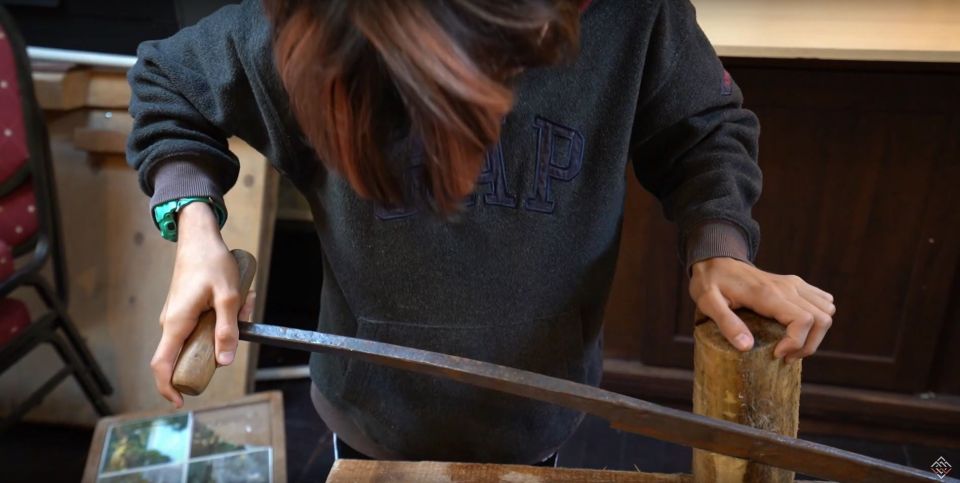
- Poplar wood clogmaking: you work from a raw wood block into your own clog, one per person
- Classic carving tools: shaped outside with a big knife, hollowed inside with a sharp spoon
- Bottle openers as the easy win: you can decorate a beer opener with engraving tools and colorful paint
- Cheese factory tour: learn how milk becomes Gouda, plus traditional slicers and cheese types
- Tastings in the shop: expect Dutch cheeses, stroopwafel, and speculaas biscuits, with local wine
- Language coverage depends on the group: guides can be multilingual, but it helps to be flexible on timing and explanation
A windmill landmark at Simonehoeve (Katwoude/Volendam)
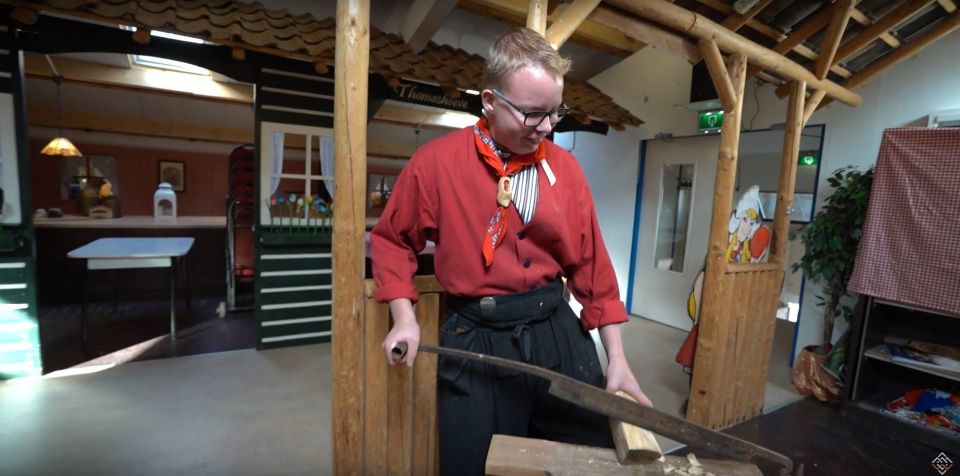
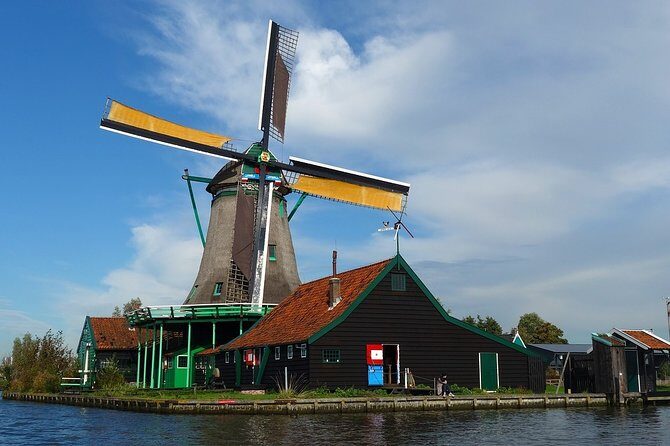
This experience meets at Simonehoeve at Wagenweg 2, 1145 PW Katwoude/Volendam. The site is easy to spot once you know the tell: you’ll recognize the Cheesefarm and Clog Factory by a windmill near the stop called Hotel Volendam.
If you’re coming from Amsterdam, the practical route is public bus 316 from Amsterdam CS (IJzijde). Tickets can be bought at the station or from the driver, and you’ll want to plan for the note that no cash is accepted on the bus. From the stop, the workshop area is only a couple of minutes away on foot.
Timing matters here. The activity runs about two hours, and the day is busiest between roughly 9:00 AM and 3:00 PM, so aim to arrive in that window so you don’t feel rushed. Also, the tour is listed as not suitable for children under 16, so this is more of a grown-up craft-and-food experience than a family drop-in.
From raw wood block to wooden clog: what the workshop really is
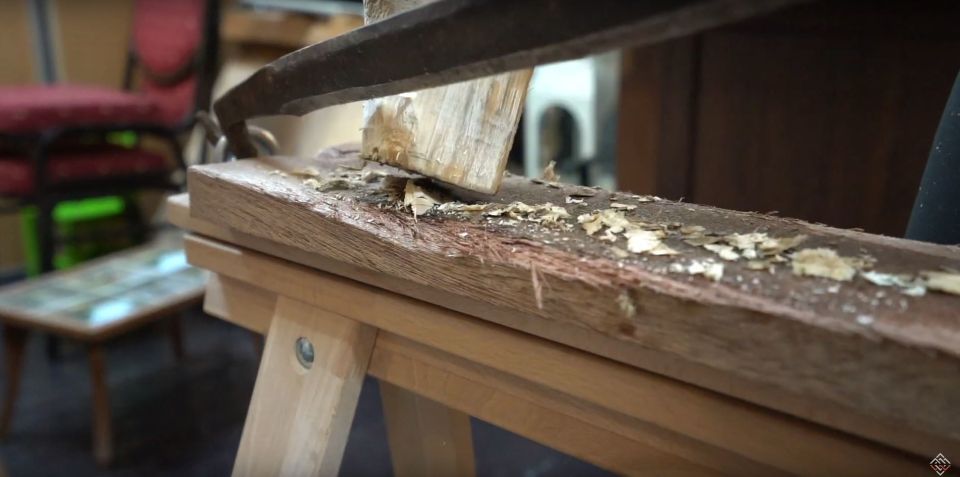
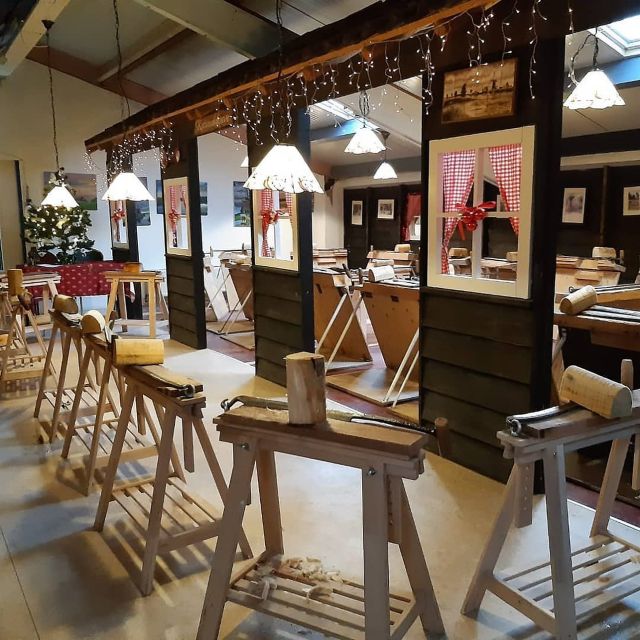
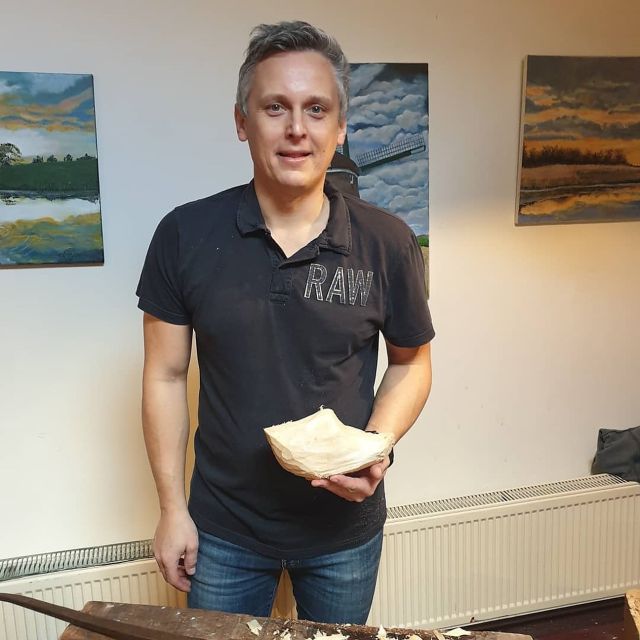
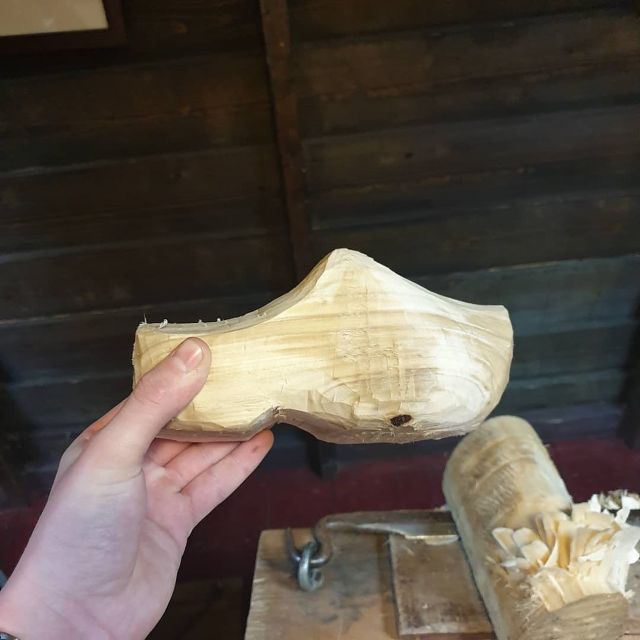
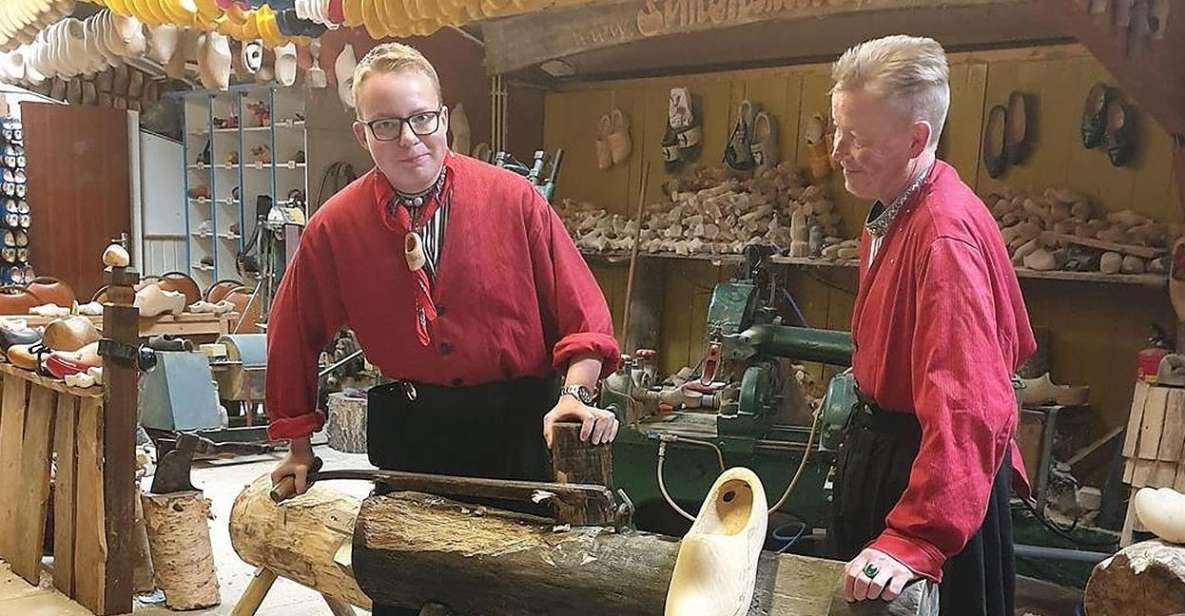
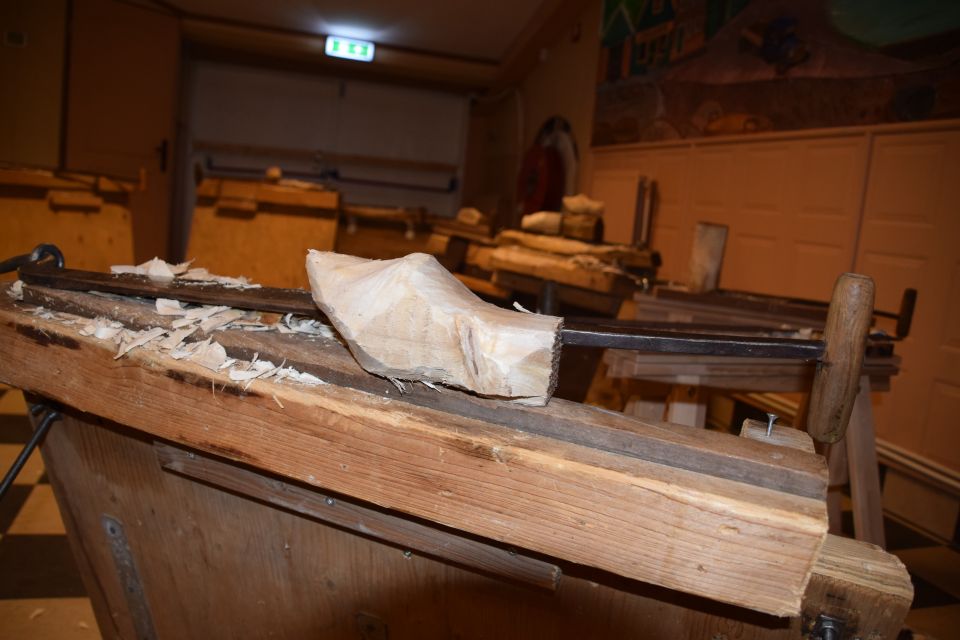
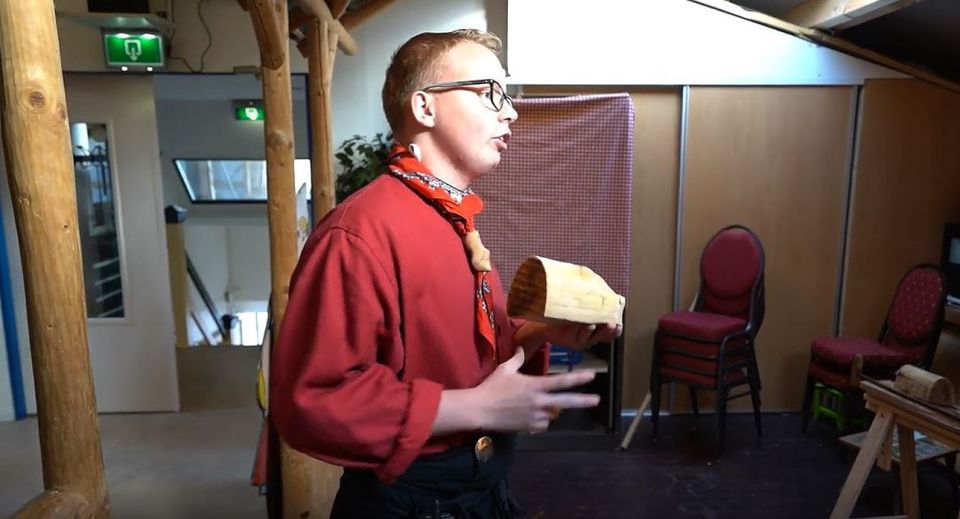
The workshop part starts with a block of Dutch poplar tree wood. Then you follow the classic steps of clogmaking, using traditional tools rather than a modern assembly-line vibe. The idea is simple: you learn how the outer shape is formed and how the inside gets carved out to make the shoe feel workable.
You should picture the process in two phases:
First, shaping the outside. The workshop uses a large knife for the outside form, and this is where you learn the basic carving rhythm and the limits of the tools.
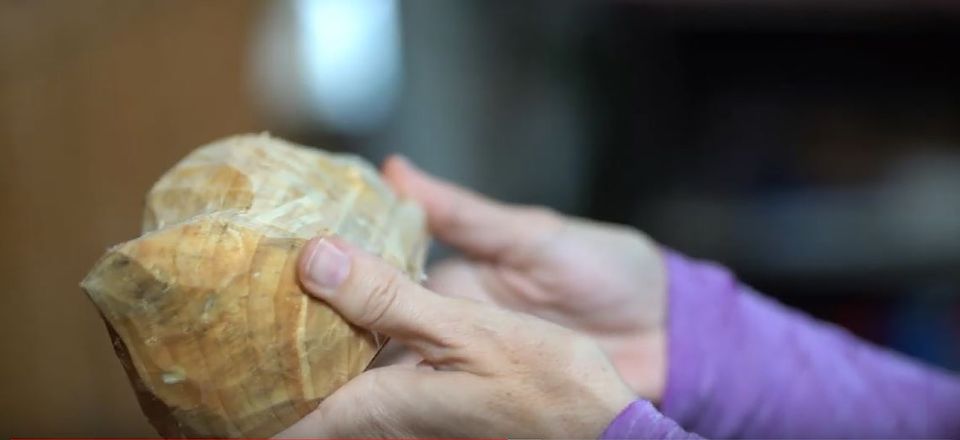
Second, hollowing the inside. The instruction includes carving out the inside with a sharp spoon. That spoon part is the moment where your clog starts to look like a real clog, not just a shaped block.
By the end, you get a clog you made yourself. How complete it looks depends on your carving skills and time. That’s not a flaw in the idea—it’s part of what makes the workshop honest. Real woodworking isn’t a magic trick. It’s also why the experience often feels more satisfying if you show up curious and willing to try, even if your first cuts aren’t perfect.
One practical note from real-world experiences: this workshop is hands-on, not only “decorate a souvenir.” If you’re expecting a mostly painting session, adjust your mindset. The main focus is making the clog, then using decoration time for extra items like openers.
Beer opener and bottle opener painting: the fun bonus time
Not every minute in the two hours is about carving. You also get a beer opener to decorate. Engraving tools and colorful paint are part of the experience, which means even if your carving takes longer than you planned, you still have a creative task that’s more forgiving.
You’ll also receive a plain bottle opener to take home. The info you’re given says you can optionally paint it during the workshop, so you can turn one more small souvenir into something personalized.
What I like about this combo is that it adds choice. You can lean into woodworking for the challenge, or lean into painting when you want quick results. It also gives you a practical takeaway: a working opener you can actually use back home, not just a decorative trinket you’ll forget in a drawer.
Cheese factory tour at Simonehoeve: from milk to Gouda
After the clog work, you shift gears into the cheese side. You get a guided tour through the cheese factory, and the focus is on how milk becomes Dutch Gouda. The tour also helps you understand how different cheeses are made and cut, with mention of traditional slicers.
This part matters because it connects the food to place. Holland’s cheese culture is everywhere in tourist shops, but the factory tour gives you the “how” behind what you’re tasting. You’re not just buying wedges; you’re seeing the machinery and the process that supports those textures.
You’ll also learn that cheeses come in types, not just names. The tour includes time to look at varieties and understand how cutting styles and equipment play a role in how cheese ends up in slices and wedges later in the shop.
What you’ll taste in the shop: Gouda, Edam, stroopwafel, speculaas
The workshop isn’t just a factory walk-through. Once you reach the shop area, you’ll have tastings and time to buy.
From the experience description, expect real Dutch Gouda and Edam, plus Dutch biscuits such as stroopwafel and speculaas. There’s also mention of a local fruit wine.
Here’s how to use this part well. If you’re the type who tends to buy without thinking, slow down during the tastings. Taste a couple of cheeses, then ask what’s different—saltiness, firmness, or flavor depth—so your purchases match your preferences instead of the packaging.
Also, keep your expectations realistic about souvenirs. One person found the shop items on the pricey side, so it helps to set a budget before you browse. The tastings are the best value inside the experience, so if you’re trying to maximize your money, treat the shop as a second step, not the main event.
Price and value: is $91 fair for two hours?
At $91 per person for two hours, this isn’t a bargain craft class. But it also isn’t a short demo you forget in an hour.
Your money supports two things at once:
- Hands-on clogmaking with your own clog to take home
- Cheese factory touring plus shop tastings (cheese, biscuits, and wine)
The included takeaways are meaningful: you receive a handmade clog and also a decorated clog/built souvenir item (the workshop info emphasizes the clog you make plus the decorated opener items). Even if your clog isn’t museum-perfect, the whole point is you made something from raw wood.
So the value equation looks like this:
- If you enjoy food plus a craft you can take home, $91 can feel fair.
- If you want a very relaxed experience with minimal hands-on tools, you may find the pace and effort don’t match your expectations.
One more value tip: because the tour time is fixed, arrive on time so you don’t lose carving minutes. In a hands-on workshop, every delayed minute is felt.
Language, pace, and equipment: how to avoid a frustrating visit
The tour guide is listed as live, with languages including Dutch, English, French, German, Italian, and Spanish. That’s great on paper. In practice, your experience can depend on the exact group schedule and how many language needs show up at once.
If you’re specifically relying on French, it’s smart to be flexible and confirm the language setup with the provider when you book. One experience mentioned an interpreter was missing for French, which can turn a smooth tour into a confusing one fast.
Pace is another key factor. Some people describe a welcome that felt rushed and a shorter, more chaotic orientation. Others describe the staff as warm, helpful, and cheerful. The good news is that when the guidance clicks, the experience can be extremely fun, with enough time to carve and then paint.
One name you may hear attached to the tour style is Ahmed (Ahry), and Fred also came up with strong, clear explanations. Even if you don’t get those guides, the staff approach matters. If you sense things are moving too quickly, ask a simple question early in the workshop so you’re not trying to catch up once you’re holding the tools.
Equipment quality can be a concern for some. There’s at least one report where a participant found the tools dull and struggled to carve effectively, which reduced the time they expected for cheese and decoration. You can’t control tool sharpness, but you can help yourself: take your time with each carving step, and don’t hesitate to ask the instructor to check your blade if something feels off.
Getting the best experience from a short two-hour visit
Two hours goes fast when you’re carving and then tasting cheese. Here’s how to make it feel worth the money.
Arrive early enough that you’re not mentally late. The meeting point is near the windmill landmark, so once you spot it, give yourself a few minutes to settle before starting.
When you switch from wood to cheese, reset your attention. The cheese tour is guided, and it works best when you treat it like a learning moment rather than only a waiting room before shopping.
Finally, prioritize what you want to take home. The clog is the star. The openers are the extras. If you’re tight on patience, don’t try to perfect everything at once.
Who should book this clog and cheese workshop?
You’ll likely enjoy this if you want:
- A real craft activity using traditional methods
- Food that’s actually part of the story, not an afterthought
- A souvenir you made yourself, using your hands
- A short, structured tour that fits into a day around Volendam/Katwoude
You might want to skip or choose another option if:
- You want a mostly passive museum-style visit
- You’re bringing a child under 16
- You dislike tool-based activities or you’re worried about carving time
It also helps if you’re open to the idea that your clog finish can vary. That uncertainty is built into the workshop format, and it’s part of what makes the experience feel grounded instead of overly polished.
Should you book Volendam’s 2-hour clogs and cheese tour?
I’d book it if you like a hands-on start and a guided food finish, and you’re excited by the idea of taking home a clog made from poplar wood plus a decorated opener. The cheese factory tour and tastings of Gouda, Edam, stroopwafel, and speculaas make it more complete than a stand-alone souvenir workshop.
I’d think twice if you need everything to feel slow and easy, because carving requires focus and the two-hour window doesn’t leave much slack. Also consider language needs: if French is essential, confirm it clearly when you book.
If you match the vibe, this is one of those short Dutch experiences that actually gives you something tangible and edible, right near Volendam’s sights.
FAQ
How long is the Volendam clogmaking and cheese tour?
The duration is 2 hours.
What does it cost?
The price is $91 per person.
Where is the meeting point?
You meet at Simonehoeve, Wagenweg 2, 1145 PW Katwoude/Volendam.
What do I take home?
You take home your own handmade clog and your own decorated clog (as provided by the workshop).
What food and drinks are included?
You can taste Dutch Gouda and Edam, stroopwafel, speculaas biscuits, and local wine, plus cheeses and biscuits in the shop.
Is transportation included?
No. Transportation is not included.
Are additional food and drinks included?
No. Additional food and drinks are not included.
Which languages can the live guide speak?
The live tour guide offers Dutch, English, French, German, Italian, and Spanish.
Is this suitable for children?
No. It is not suitable for children under 16.
How do I get there from Amsterdam by bus?
Take bus 316 from Amsterdam CS (IJzijde). Tickets can be bought at the station or from the bus driver (no cash accepted). Get off at Hotel Volendam, and the Cheesefarm and Clog Factory are a couple of meters away, recognizable by a windmill.