REVIEW · AUDIO TOURS
Cultural and Historical Audio guided walking tour Tour of Haarlem
Book on Viator →Operated by Pocketguide Caribbean · Bookable on Viator
Haarlem feels extra clever when you walk it by ear. This GPS-guided, audio-only city walk lets you move at your pace, with stories timed to key spots like the Grote Markt and the Frans Hals area. I love that you can start and stop whenever you want, so the walk fits your energy level and your coffee breaks. I also like that the guide is designed to work without you constantly staring at your phone.
One thing to keep in mind: it’s GPS-driven. If you wander a few steps off the marked area, you may feel like the audio is slow to kick in, especially in tight crowds or rainy weather.
In This Review
- Key moments you’ll enjoy
- Haarlem at your pace with GPS audio guidance
- Where it starts and ends (and why it’s convenient)
- Hofje van Oorschot: why Haarlem has these hidden courtyard pauses
- Corrie ten Boom House: WWII story with a practical museum option
- Grote Markt: Haarlem’s market square and civic power in one walk
- Canals and bridges: Bakenessergracht and Gravestenenbrug for quick photo wins
- Teylers Museum: 18th-century roots with science-and-art energy
- The Waag: from weigh house to café life
- Vleeshal and City Hall: two landmarks that explain Haarlem’s center
- Vleeshal (1603)
- City Hall (14th century)
- Jopen brewery stop: where a story can turn into a break
- De Vijfhoek streets and the Frans Hals Museum area
- How long you should budget and what the pacing feels like
- Price and value: is $15.05 a good deal?
- What can go wrong (and how to avoid the common annoyances)
- Should you book this Haarlem audio walk?
- FAQ
- How long is the Tour of Haarlem audio walking tour?
- How much does it cost?
- Do I need my own headset?
- Where does the tour start and end?
- Is the tour guided by a live person?
- Are tickets or museum admissions included?
Key moments you’ll enjoy
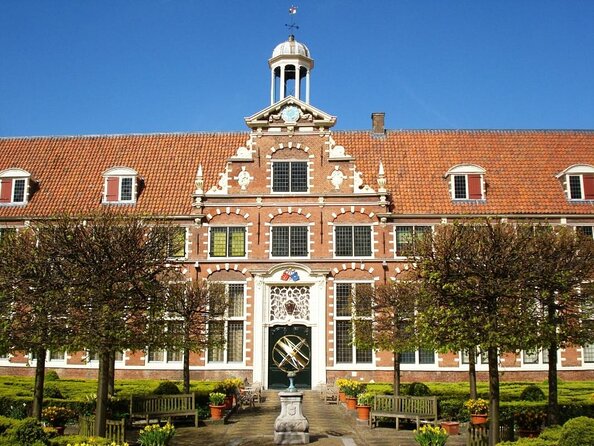
- Hofjes behind closed gates at Hofje van Oorschot: a quiet courtyard feel, even from outside
- Corrie ten Boom House: WWII courage with a story you can pause for real museum time
- Grote Markt landmarks: Town Hall, the Vleeshal, and the civic heart of Haarlem
- Canal walking for photos: Bakenessergracht and Gravestenenbrug make great stops
- Teylers Museum and the Waag: old buildings tied to science and trade
- Frans Hals Museum area: Golden Age art connection as you stroll nearby
Haarlem at your pace with GPS audio guidance

This isn’t a bus tour. It’s a walk with audio directions that aim to keep your eyes free. You download the app ahead of time, turn on GPS, put on your headphones, and then follow the route stop-by-stop. The key idea is simple: when you’re close to a point of interest, the audio starts.
That matters because Haarlem rewards slow looking. You’ll pass canal views, market-square architecture, and small lanes where the city feels more lived-in than staged. With headphones on and eyes open, you can actually notice the details you’d normally miss while reading captions.
It’s also private in the sense that it’s just your group using the same audio tour. There’s no schedule of other people hovering beside you, and no pressure to keep up with a loud live guide. If you like to linger at a bridge for photos, or stop for a snack, this format is built for you.
Where it starts and ends (and why it’s convenient)
The tour begins at Kruisweg 70BR, 2011 LG Haarlem and ends at Grote Houtstraat 1312, 2011 SJ Haarlem. Grote Houtstraat is Haarlem’s main shopping street through the city center, so you’re not stuck out on the edge of town when you finish. From there, it’s easier to get back toward the train area or to keep exploring.
Timing is also part of the convenience story. The walk is listed at about 1 hour 45 minutes, so you can fit it between other plans in Haarlem or as a warm-up before you head out to nearby Amsterdam-area stops.
The tour is available daily, with hours listed from 9:00 AM to 11:59 PM. That’s useful because you can avoid the worst midday crush if you prefer.
Hofje van Oorschot: why Haarlem has these hidden courtyard pauses
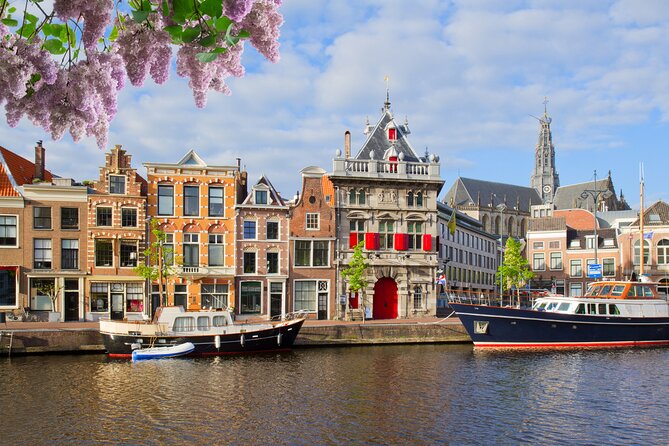
Your first stop is Hofje van Oorschot, one of Haarlem’s famous hofjes. A hofje is a set of closed courtyards—small, quiet, almost secret-feeling—built for older people or those in need. In many cases, they were funded through bequests by prominent families, so these places connect everyday life to Haarlem’s wealth and social structure from centuries ago.
Here’s the catch: Hofje van Oorschot is only viewable from behind a closed gate. You don’t enter as an outsider. Still, the audio guide’s job is to help you understand what you’re seeing from the outside—why the courtyard exists, why it mattered, and why locals protected this kind of small community space in the middle of the city.
If you love architecture, “found spaces,” and the idea that history isn’t always in big monuments, this stop can be a great tone-setter.
Corrie ten Boom House: WWII story with a practical museum option
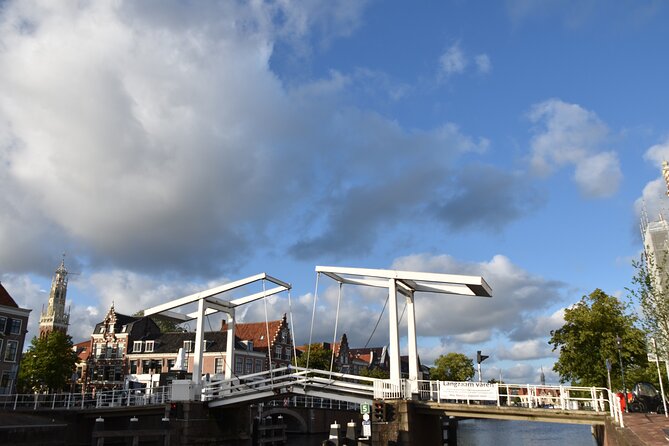
Next up is the Corrie ten Boom House. This isn’t presented as a random museum stop. The focus is the story of a family whose faith and beliefs led them to take part in underground efforts during WWII in the Netherlands.
This stop is marked as more than just sightseeing because the audio guide helps tell the story—but you’re also encouraged to pause and visit in a more traditional way. In other words, it’s one of those “audio-first, then you choose” points.
One practical note: the admission ticket is not included for this stop. So it’s worth deciding in advance whether you want a quick audio pass or you want to budget time and money to go inside.
Grote Markt: Haarlem’s market square and civic power in one walk
Then the route brings you to the Grote Markt, Haarlem’s central market square. This is where the city’s big, iconic buildings gather, and where the audio guide can help you spot what you might otherwise just walk past.
You’ll get context for landmarks around the square, including:
- the Town Hall
- the Vleeshal (the historic meat hall building)
- and the statues and other notable features that give the market its distinct character
This is also one of those stops where being off by a few steps can matter, because the square is busy and the buildings are close together. If you feel like you’re not hearing the right part of the audio, slow down and check where you are relative to where the guide expects you.
If you like your city touring grounded in place—who built what, why it was here, what the function was—this is a strong segment.
Canals and bridges: Bakenessergracht and Gravestenenbrug for quick photo wins

Two of the route highlights are built around water views.
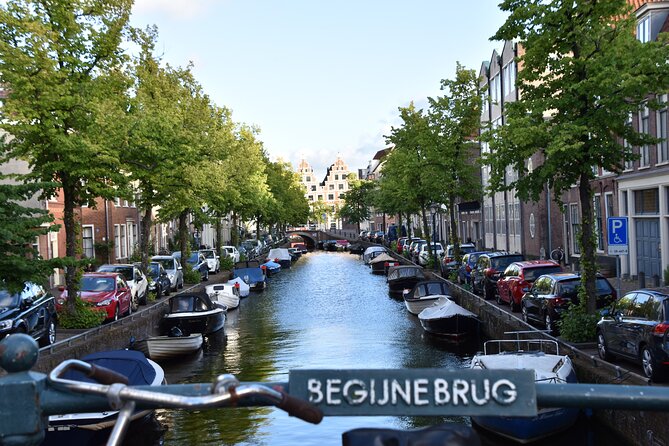
First comes Bakenessergracht, a canal you’ll stroll along while the audio tells stories about the neighborhood from the past. This kind of stop works especially well in Haarlem because the canals act like both scenery and memory. Even if you only have one hour today, you can still understand how the city used its waterways.
Then you reach Spaarne & Gravestenenbrug, including the bridge stop. If you’re the type who always takes one “iconic bridge” photo, this is set up for that. Stand on the bridge, listen to what happened in the early days, then keep walking.
Tickets aren’t listed as needed for these canal stops, so they’re low-friction wins.
Teylers Museum: 18th-century roots with science-and-art energy
Walking brings you to Teylers Museum, described as a museum of wonders and founded in 1778. The tour frame is important: it’s not just telling you that a museum exists. It positions Teylers as a place tied to art and science, and the audio adds context as you approach.
This stop’s admission is not included, so you’ll want to treat it as either:
- a walk-by with audio context, or
- a choose-your-own-adventure moment where you go inside and plan a longer visit
If you enjoy museums but don’t want your day locked into one ticketed location, this layout is a good compromise. You get the story either way.
The Waag: from weigh house to café life
At the Waag, you’ll see a former weigh house that now functions as a café. The building is credited to Lieven de Key, which is the sort of name-drop that actually helps. It tells you the architecture wasn’t random; it was part of how Haarlem traded, measured, and organized commerce.
Again, admission isn’t listed as required for the audio stop itself, and since it’s a café now, you can decide whether to treat it as a quick rest or a longer pause.
The nice part here is how the audio connects function to form. Old city buildings weren’t built just to look pretty; they existed to handle real work.
Vleeshal and City Hall: two landmarks that explain Haarlem’s center
Back at the market area, you also get time for two major historic structures:
Vleeshal (1603)
The Vleeshal dates to 1603, and the name connects to its original purpose—Vlees means meat. It’s one of those buildings where the function is right there in the word, which makes it easier to remember once you hear the audio explanation.
City Hall (14th century)
The City Hall is described as the seat of the city’s government. It was built in the 14th century and replaced the Count’s castle. That’s the kind of detail that turns a “cool building” into a “now I get why this matters” moment.
These are stops that reward slow walking. Look at the façades, notice how close the city’s civic life sits to daily market life, then keep moving.
Jopen brewery stop: where a story can turn into a break
The route includes Jopen, a Haarlem beer brewery. It’s positioned as a result of the Stichting Haarlems Biergenootschap, founded in 1992.
This is a fun practical stop because you’re in the center of a walking route. If you’ve done enough talking-by-audio, you may want a short real-world break—something cold, a bite, and a moment to step out of your headphones.
Admission isn’t listed here (it’s not framed as a ticketed museum stop), so it’s more of a “fit it if you want” moment.
De Vijfhoek streets and the Frans Hals Museum area
Next comes Vijfhoek, described as a neighborhood in Haarlem’s Oude Stad area. The idea here is to switch from big-square landmarks to small historic lanes. The audio helps stitch together why the streets feel the way they do, and what you’re walking through from earlier eras.
Finally, you reach the area connected to the Frans Hals Museum, also known as a Museum of the Golden Age. The audio context connects the museum’s collection to the city itself, built up from the 16th century onwards, and the museum is named after Frans Hals.
If you love art, this last segment can make you want to do the full museum visit. If you’re more of a “see it from the outside” person, you’ll still get enough context to understand why the museum name carries weight.
Frans Hals Museum admission is listed as not included, so again, it’s a choice: audio context only or a ticketed stop.
How long you should budget and what the pacing feels like
The walk is listed around 1 hour 45 minutes, but that’s an estimate, not a hard rule. Since it’s built for starting and stopping, your real time depends on how often you:
- pause for photos on canals and bridges
- take the museum-story stops as audio-only vs. ticketed visits
- linger in the market square area
If you’re visiting Haarlem and want a compact, structured way to get context without locking into a full-day tour, this length fits nicely.
Price and value: is $15.05 a good deal?
At $15.05 per person, this is positioned as cost-effective because you’re paying for a self-paced set of stories plus GPS navigation. That matters because it reduces the two biggest pain points of independent travel: getting lost and feeling like you’re just skimming.
The one cost variable is museum admissions. Several key stops note admission is not included—like the Corrie ten Boom House, Teylers Museum, and the Frans Hals Museum area. So if you plan to go inside every ticketed stop, you’ll pay more on top.
But if your goal is to walk the city with smart context and pick one or two ticketed moments, the price can feel like good value for a focused Haarlem experience.
What can go wrong (and how to avoid the common annoyances)
This audio walk is mostly smooth, but the GPS format has a few predictable traps.
1) Audio starts only when you’re close enough
If you miss the location boundary, the audio may not begin when you expect. In busy spots like Grote Markt, that can be frustrating. Slow down, stand still for a moment, and let the GPS settle.
2) Crowds and weather can make it harder
There’s at least one complaint tied to rain and crowd handling. Since there’s no live person to redirect you in real time, you’ll want to be extra careful with route tracking on messy days.
3) Some stops are intentionally “view only”
Hofje van Oorschot is free, but you can’t enter. That’s not a failure—it’s part of the concept. Go in knowing you’re there for perspective from behind the gate.
If you remember these points, you’ll spend less time fiddling and more time enjoying Haarlem.
Should you book this Haarlem audio walk?
I’d book this if you want a low-cost, high-context way to get oriented fast. It’s especially strong for:
- first-time visitors who want names and meaning attached to buildings
- people who hate waiting around for a group
- anyone who likes canals, markets, and Haarlem’s hofje culture
I’d skip or adjust expectations if you need constant, step-by-step spoken guidance that works like a live tour. This is audio, not a companion who can correct your route instantly.
If you do book it, my practical advice is simple: download the app before you arrive, bring your own headset, and give the GPS a moment before you decide the audio is broken.
FAQ
How long is the Tour of Haarlem audio walking tour?
The tour is listed at about 1 hour 45 minutes.
How much does it cost?
The price is $15.05 per person.
Do I need my own headset?
Yes. Bring your own headset, since it’s not included.
Where does the tour start and end?
It starts at Kruisweg 70BR, 2011 LG Haarlem and ends at Grote Houtstraat 1312, 2011 SJ Haarlem.
Is the tour guided by a live person?
This is an audio guided walking tour. You follow navigation using the app and GPS rather than a live guide.
Are tickets or museum admissions included?
Most admissions are not included. For example, the Corrie ten Boom House and stops like Teylers Museum and the Frans Hals Museum area list admission as not included, while Hofje van Oorschot is free to view (though it can only be admired from behind a closed gate).